Order Free Sample


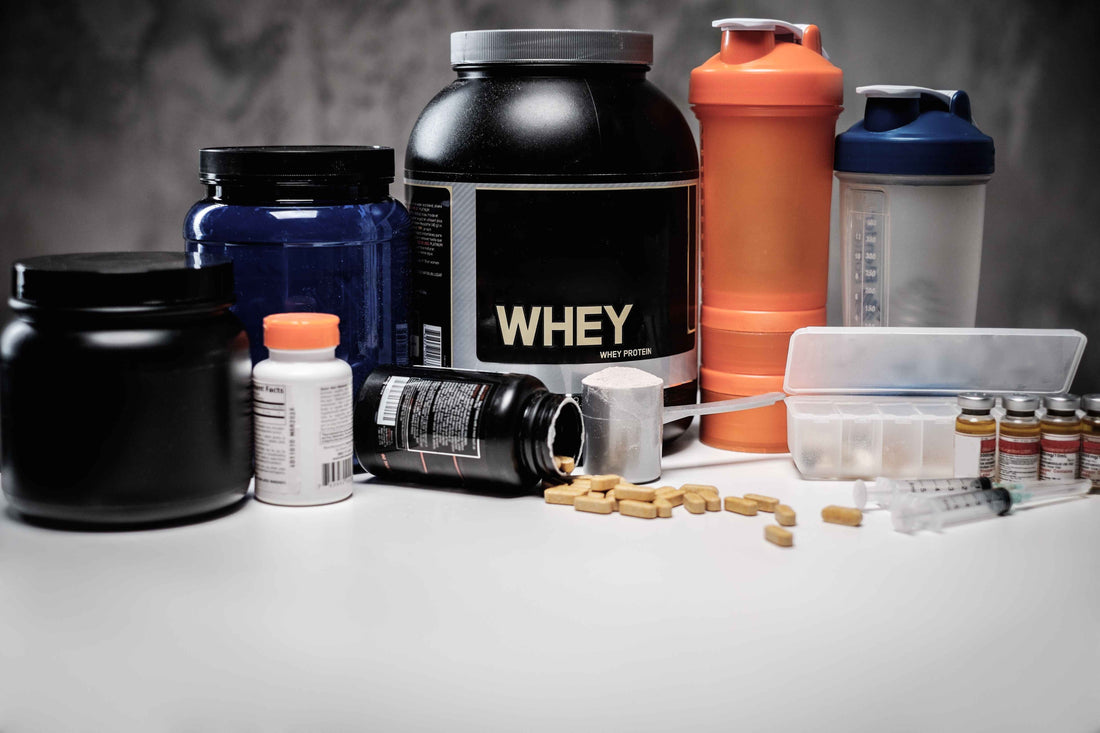
GLP-1 medications like Ozempic and Wegovy are changing how people approach weight management. As appetite decreases and eating habits shift, it becomes harder to consistently meet your daily protein needs.
Over time, lower food intake can lead to reduced protein consumption without you realizing it. This can affect muscle maintenance, energy levels, and how your body adjusts during weight loss.
The good news is you don’t need a complicated plan. The best protein supplements for GLP-1 users help you build a simple, consistent routine that supports your daily intake.
This guide breaks down the best protein options for GLP-1 users, how much protein you need, and how to stay consistent without overcomplicating your routine.
Quick Summary
-
GLP-1 medications reduce appetite, making it harder to meet protein needs
-
Most users aim for 60–100g daily depending on goals
-
Protein supports muscle maintenance, energy, and overall balance
-
Common options: whey isolate, plant-based, ready-to-drink shakes
-
Spreading intake improves consistency and tolerance
-
Supplements help fill gaps when intake is low
-
A simple routine makes consistency easier
Who This Guide Is For
This guide is designed for:
-
Ozempic users
-
Wegovy users
-
Semaglutide users
-
Anyone struggling to meet protein goals
Why Protein Is Important on GLP-1 Medications
Protein becomes more important, not less, when you’re using GLP-1 medications.
As appetite decreases, your total food intake drops. While this helps reduce calories, it also reduces how much protein you naturally consume. Since protein is not typically stored in the body the same way as fats or carbohydrates, consistent daily intake becomes essential.
Muscle Maintenance During Weight Loss
When your body is in a calorie deficit, it does not only lose fat— it can also lose muscle.
Adequate protein intake helps maintain lean muscle mass as your weight changes. This is important because muscle plays a key role in overall strength, physical function, and long-term metabolic balance.
Without enough protein, your body may struggle to maintain this balance over time.
Supporting Daily Energy and Function
Protein contributes to steady energy levels throughout the day.
When intake is too low, you may feel more fatigued or less stable in your routine. Since GLP-1 medications often reduce meal frequency and portion size, maintaining consistent protein intake helps support how you feel day to day.
It becomes part of creating a routine that supports both physical and mental consistency.
Adapting to Smaller Portions
One of the biggest changes with GLP-1 medications is how much you can comfortably eat.
Smaller portions mean you have fewer opportunities to meet your daily nutrient needs. Protein needs to be prioritized within those smaller meals, which can be challenging without a clear approach.
This is where structured intake becomes important. Instead of relying on large meals, spreading protein across your day helps maintain consistency without discomfort.
Building a Sustainable Routine
Protein is not just about hitting a number. It is about building a routine that you can follow consistently.
When protein intake is planned and supported, it becomes easier to maintain stability as your eating patterns change.
Over time, this consistency supports better long-term outcomes without adding complexity to your daily routine.
Recommended Protein Support

Meeting your daily protein needs on GLP-1 medications can be challenging, especially when appetite is low or meals feel difficult to manage.
A simple, easy-to-use protein option can help support consistency without adding complexity to your routine.
-
Helps maintain protein intake when appetite is low
-
Easy to include between meals or on busy days
-
Useful when daily protein targets are not met through food
-
Fits into a simple, consistent routine without extra effort
How Much Protein Do GLP-1 Users Need?
Many users aim for roughly 60–100 grams of protein per day depending on body
weight, activity level, and goals.
For example, individuals focusing on maintaining muscle during weight loss may benefit from staying toward the higher end of this range. Your healthcare provider can help determine the right target for you.
Best Protein Supplements for GLP-1 Users
To keep things simple, the table below compares the most common protein supplement options and how each fits into your routine.
| Type | Benefits | Best For |
|---|---|---|
| Whey Isolate | Fast absorption | Most users |
| Plant-Based | Dairy-free | Sensitive users |
| Ready-to-Drink | Convenience | Busy schedules |
Not all protein supplements work the same way on GLP-1 medications. The type you choose can affect how easy it is to consume, how well it fits into your routine, and how consistently you meet your daily protein needs.
As appetite decreases, choosing the right format becomes less about preference and more about what you can tolerate and repeat daily.
Whey Protein Isolate
Whey protein isolate is one of the most commonly used options for GLP-1 users.
It is filtered to remove most fats and carbohydrates, leaving a higher concentration of protein per serving. This makes it easier to meet your protein needs without requiring large portions.
Because it is quickly absorbed and easy to mix, it works well when appetite is low or when you need a simple, efficient option.
Benefits:
-
High protein content in smaller servings
-
Fast and efficient absorption
-
Low in fat and carbohydrates
-
Easy to incorporate into a daily routine
Plant-Based Protein
Plant-based protein is a good alternative for those who prefer non-dairy options or have difficulty tolerating whey.
These proteins are often made from sources like pea, rice, or blended plant proteins to provide a more balanced amino acid profile. While they may absorb slightly slower, they still support consistent daily intake.
For some users, plant-based options feel lighter and easier to include regularly.
Best for:
-
Dairy intolerance or sensitivity
-
Preference for plant-based nutrition
-
Individuals looking for variety in protein sources
Ready-to-Drink Protein Shakes
Ready-to-drink (RTD) protein shakes are one of the most convenient ways to stay consistent with protein intake.
They require no preparation and can be consumed in small amounts, which fits well with reduced appetite and changing routines.
This makes them especially useful on days when meal prep feels difficult or when you need a quick, reliable option.
Best for:
-
Busy schedules or low appetite days
-
Quick, no-prep protein intake
-
Maintaining consistency when routine is disrupted
Choosing the right type comes down to what you can take consistently.
The most effective protein supplement is not necessarily the most advanced one—it’s the one that fits easily into your daily routine and helps you meet your protein needs without adding complexity.
How to Add Protein Into Your Daily Routine
A simple structure makes it easier to stay consistent with protein intake, especially when appetite and meal sizes vary throughout the day.
Morning: Protein shake or high-protein meal to establish your intake early
Midday: Protein snack or shake to maintain steady levels and avoid gaps
Evening: Protein-rich meal to support overall daily intake and balance
Spreading protein throughout the day helps you meet your goals without relying on large portions, making your routine easier to follow consistently.
Common Mistakes GLP-1 Users Make With Protein
Even with the right intentions, small gaps in your approach can make it harder to maintain consistent protein intake while using GLP-1 medications.
These mistakes are common, especially as appetite and eating patterns change.
Not Meeting Daily Protein Goals
Reduced appetite often leads to eating less overall, which means protein intake can drop without you realizing it.
Because meals are smaller and less frequent, it becomes harder to reach your daily target through food alone. Over time, this can affect how well your body maintains strength and adapts during weight loss.
Being aware of your intake and using simple support options can help you stay closer to your daily goals.
Skipping Protein Intake
When appetite is low, it’s easy to skip protein entirely, especially during certain meals or busy parts of the day.
This creates uneven intake, where some parts of the day are missed completely. Instead of trying to make up for it later, spreading protein across your day helps maintain consistency and reduces pressure on any single meal.
Small, consistent intake is more effective than relying on larger portions.
Relying Only on Food
While it is possible to meet protein needs through food, it can be challenging with reduced portion sizes and changing food preferences.
Depending only on meals may lead to gaps, especially on days when appetite is lower or routine is disrupted.
Including simple, easy-to-use protein options helps remove this dependency and makes it easier to stay consistent regardless of how your day looks.
Tips to Stay Consistent
Staying consistent with protein intake becomes much easier when your approach is simple and repeatable.
Keep protein options convenient
Have easy-to-access options available so you don’t rely on preparation or motivation each time.
Use shakes when needed
Protein shakes can help fill gaps on low appetite days or when meals feel difficult to manage.
Spread intake throughout the day
Smaller, consistent amounts are easier to maintain than trying to meet your needs in one or two meals.
Keeping your routine simple helps reduce effort and makes consistency more realistic over time.
When to Use Protein Supplements
Protein supplements are most effective when they support your routine, not replace it.
Between meals
Using a shake or simple protein option between meals helps maintain steady intake throughout the day and reduces the risk of falling short.
Low appetite days
When eating feels difficult, protein supplements provide a manageable way to stay consistent without relying on full meals.
Busy schedules
On days when you don’t have time to prepare meals, a quick protein option helps you stay on track without skipping intake.
After missed intake
If you realize you’re behind on your protein for the day, a supplement can help close the gap without overcomplicating your routine.
The goal is simple: use protein supplements where they make consistency easier.
What to Look for in a Protein Supplement for GLP-1 Users
The best protein supplement is one you can tolerate, absorb, and use consistently.
Look for options that provide at least 20g of protein per serving to help meet your daily target efficiently.
Choose formulas that are low in sugar and fat, as these are generally easier to tolerate with reduced appetite and smaller portions.
Prioritize whey isolate or easily digestible blends, as they provide a high concentration of protein without requiring large servings. If you prefer non-dairy options, plant-based blends can also work well.
Finally, focus on convenience. Whether it’s a powder or ready-to-drink option, the format should fit easily into your routine.
What Happens If You Don’t Get Enough Protein on GLP-1?
Low protein intake doesn’t always show up immediately, but over time, the effects can become noticeable.
Muscle loss over time
When protein intake is too low, your body may start using muscle to meet its needs. This can affect strength and long-term balance.
Lower energy levels
Low protein intake can lead to persistent fatigue and reduced daily energy levels. Without consistent intake, you may feel more fatigued or less stable throughout the day.
Reduced strength and performance
You may notice that physical tasks feel more difficult as your body lacks consistent support.
Difficulty maintaining routine
Inconsistent intake can make it harder to maintain a steady routine, especially as appetite continues to fluctuate.
These changes build gradually. Staying consistent with protein helps support strength, energy, and overall stability over time.
Do You Need Protein Supplements on GLP-1?
Not everyone needs protein supplements, but many people find them helpful.
Your needs depend on how easily you can meet your daily protein target through food alone.
For most GLP-1 users:
-
If you consistently meet your protein goals → supplements may not be necessary
-
If your intake fluctuates → supplements help maintain consistency
-
If appetite is low → supplements make intake easier
The goal is not to rely on supplements completely, but to use them as a simple way to stay consistent when food alone is not enough.
Frequently Asked Questions
How much protein do I need on GLP-1?
Most GLP-1 users aim for around 60–100 grams of protein per day. Your exact needs depend on your body weight, activity level, and goals. Staying toward the higher end of this range can help support muscle maintenance during weight loss.
What type of protein is best for GLP-1 users?
Whey protein isolate is one of the most commonly used options because it is easy to digest and provides a high amount of protein in smaller servings. Plant-based proteins are also a good alternative for those who prefer non-dairy or need gentler options.
Can I get enough protein from food alone while on GLP-1?
It is possible, but often challenging due to reduced appetite and smaller portion sizes. Many GLP-1 users find it difficult to consistently meet their protein needs through meals alone, which is why supplements can help maintain steady intake.
When should I take protein supplements?
Protein can be taken at any time of day, but many people spread intake across meals and snacks. Using protein between meals or during low appetite periods helps maintain consistent intake without relying on large portions.
What’s the easiest way to stay consistent with protein intake?
The easiest approach is to keep your routine simple and repeatable. Using convenient options like protein shakes, spacing intake throughout the day, and building protein into regular habits makes it easier to stay consistent without overthinking your routine.
Support Your Daily Protein Intake
The easiest way to stay consistent is to build a simple system you can follow daily while using GLP-1 medications. As appetite decreases, having a simple system in place makes it easier to stay on track without overthinking your daily intake.
A structured approach that includes protein support, hydration, and a clear routine helps you stay consistent, even on low appetite or busy days.