Order Free Sample


After bariatric surgery, knowing what to eat next can feel confusing. You may be told to eat less, focus on protein, and follow different diet stages, but without a clear structure, it can quickly become overwhelming. Small mistakes in your diet after bariatric surgery can affect your energy levels, digestion, and overall recovery. This uncertainty often leads to frustration. You might question whether you are eating the right foods, progressing correctly through stages, or getting enough nutrients to support your body. The good news is that a structured approach to the diet after bariatric surgery can make everything much easier. By understanding each stage, focusing on the right foods, and building simple daily habits, you can support your recovery and create a routine that works long-term.
Quick Summary
- The diet after bariatric surgery focuses on smaller portions, higher protein intake, and nutrient-dense foods
- Patients follow structured diet stages, starting with liquids and gradually progressing to solid foods
- Protein is a priority to support recovery, muscle maintenance, and daily energy levels
- Hydration and consistency play a key role in digestion and overall comfort
- Some foods should be limited early on to avoid discomfort and support smoother recovery
- Supplements help support nutrient intake when food alone is not enough
-
A simple daily routine makes it easier to stay consistent and maintain long-term results
Who Can Benefit from This Guide
This guide is designed for:
- Gastric sleeve patients
- Gastric bypass patients
- Patients preparing for surgery
- Anyone looking to improve their post-surgery diet
What is the Diet After Bariatric Surgery?
The bariatric diet is a way of eating that helps your body adjust after surgery. Because your stomach size and digestion have changed, your approach to food also needs to change.
Instead of focusing on large meals, the bariatric diet emphasizes smaller portions and better food choices. Each part of the diet works together to support recovery, energy levels, and long-term health.
Smaller Portions
After bariatric surgery, your stomach can hold much less food than before. Eating large portions can lead to discomfort, nausea, or difficulty digesting meals.
Smaller portions help your body process food more comfortably while preventing unnecessary strain on your digestive system. They also allow you to eat more frequently throughout the day, which helps maintain steady energy levels.
Over time, portion control becomes a natural part of your routine rather than something you have to think about constantly.
Higher Protein Intake
Protein plays a central role in the bariatric diet. It supports muscle maintenance, helps your body recover, and contributes to overall strength as you lose weight. Since your total food intake is lower, it becomes important to prioritize protein first during meals. This ensures your body gets what it needs before you feel full. Clinical guidelines summarized by the National Institutes of Health recommend 60 to 80 grams of protein per day after bariatric surgery, or roughly 1.1 to 1.5 grams per kilogram of ideal body weight.
Consistent protein intake also helps support energy levels and makes it easier to maintain a balanced diet over time.
Gradual Progression of Foods
The bariatric diet follows a step-by-step progression, starting with liquids and slowly introducing more solid foods.
This gradual approach allows your stomach to heal and adjust safely. Each stage builds on the previous one, helping your body adapt to new textures and digestion patterns.
Moving too quickly between stages can lead to discomfort, so following the progression carefully helps create a smoother recovery.
Nutrient-Dense Choices
Because you are eating less overall, the quality of your food becomes more important. Nutrient-dense foods provide more vitamins, minerals, and overall value in smaller portions.
Choosing foods that support your body helps maintain energy, bone health, and overall function. This includes lean proteins, vegetables, and other foods that contribute to long-term well being.
Focusing on nutrient-dense options ensures that even smaller meals continue to support your body effectively.
Support Your Nutrition Routine
After bariatric surgery, your body absorbs fewer nutrients, which can make it harder to meet your daily needs through food alone.
A structured supplement routine can help support consistent nutrient intake alongside your diet and make your daily routine easier to maintain over time.
- Supports daily nutrient intake
- Designed for bariatric patients
- Fits easily into a consistent routine
Bariatric Diet Stages (Step-by-Step)

After bariatric surgery, your body needs time to heal and adjust to a new way of eating. To support this process, the diet is divided into structured stages that gradually reintroduce different food textures.
Each stage has a clear purpose. Moving through them step by step helps reduce discomfort, supports digestion, and allows your body to adapt safely.
Stage 1: Clear Liquid Diet
The clear liquid stage begins immediately after surgery. At this point, your stomach is still healing, so only very light and easy-to-digest liquids are introduced. The focus is on staying hydrated without putting any strain on your digestive system. You will take small sips throughout the day rather than drinking large amounts at once.
Focus:
- Water
- Broth
- Sugar-free drinks
Goal:
- Stay hydrated
- Allow healing
Avoid:
- Sugary drinks
- Carbonated beverages
- Caffeinated drinks (early stage)
This stage sets the foundation for recovery by allowing your body to adjust gently.
Stage 2: Full Liquid Diet
Once your body tolerates clear liquids, you move into the full liquid stage. This phase introduces slightly thicker liquids that provide more nutrition, especially protein. Protein becomes important at this stage because it supports healing and helps maintain muscle as your body adjusts to weight loss.
Focus:
- Protein shakes
- Smooth liquids
Goal:
- Introduce protein
- Maintain hydration
Avoid:
- High-sugar shakes
- Thick or heavy liquids
- Carbonated drinks
You will continue to eat in small amounts and focus on consistency rather than volume.
Stage 3: Pureed Foods
In this stage, you begin eating soft, blended foods with a smooth texture. These foods require little to no chewing and are easier for your stomach to process. This is your first step toward more solid food, but meals still need to be simple and easy to digest.
Focus:
- Blended foods
-
Soft consistency
Goal:
-
Gradual digestion
Avoid:
- Chunky or solid foods
- Tough meats
- Bread or dry foods
Eating slowly and paying attention to how your body responds becomes especially important during this phase.
Stage 4: Soft Foods
As your body adapts, you can begin introducing foods that require gentle chewing. These foods are soft in texture and easier to break down. This stage allows you to expand your diet while still maintaining control over digestion and portion size.
Focus:
- Easy-to-chew foods
- Lean protein
Goal:
-
Build tolerance
Avoid:
- Fried foods
- Fibrous vegetables (hard to digest)
- Tough cuts of meat
You will continue prioritizing protein while gradually adding more variety to your meals.
Stage 5: Solid Foods
The final stage introduces regular textured foods and represents your long-term eating pattern. Your stomach can now handle a wider range of foods, but portion control and food choices remain important. Meals should still be structured and focused on quality rather than quantity.
Focus:
- Balanced meals
- Long-term eating habits
Goal:
-
Sustainable routine
Avoid:
- Highly processed foods
- Sugary snacks
- Large portion sizes
This stage is about building habits that you can maintain consistently, supporting both your recovery and long-term health.
What to Eat After Bariatric Surgery

Choosing the right foods after bariatric surgery is essential for recovery, energy, and long-term consistency. Because portion sizes are smaller, each meal needs to focus on protein first, followed by nutrient-dense foods that support your body’s needs.
High-Protein Foods
Protein is the foundation of your diet after bariatric surgery. It supports muscle maintenance, helps your body recover, and contributes to overall strength as you lose weight. Because you feel full quickly, it is important to eat protein first during each meal. This helps ensure you meet your daily requirements before moving on to other foods.
Examples include:
- Lean meats such as chicken or fish
- Eggs
- Dairy products like yogurt or cheese
- Low-sugar protein shakes
Consistent protein intake also helps support energy levels and makes it easier to maintain a balanced routine over time.
Recommended Protein Support
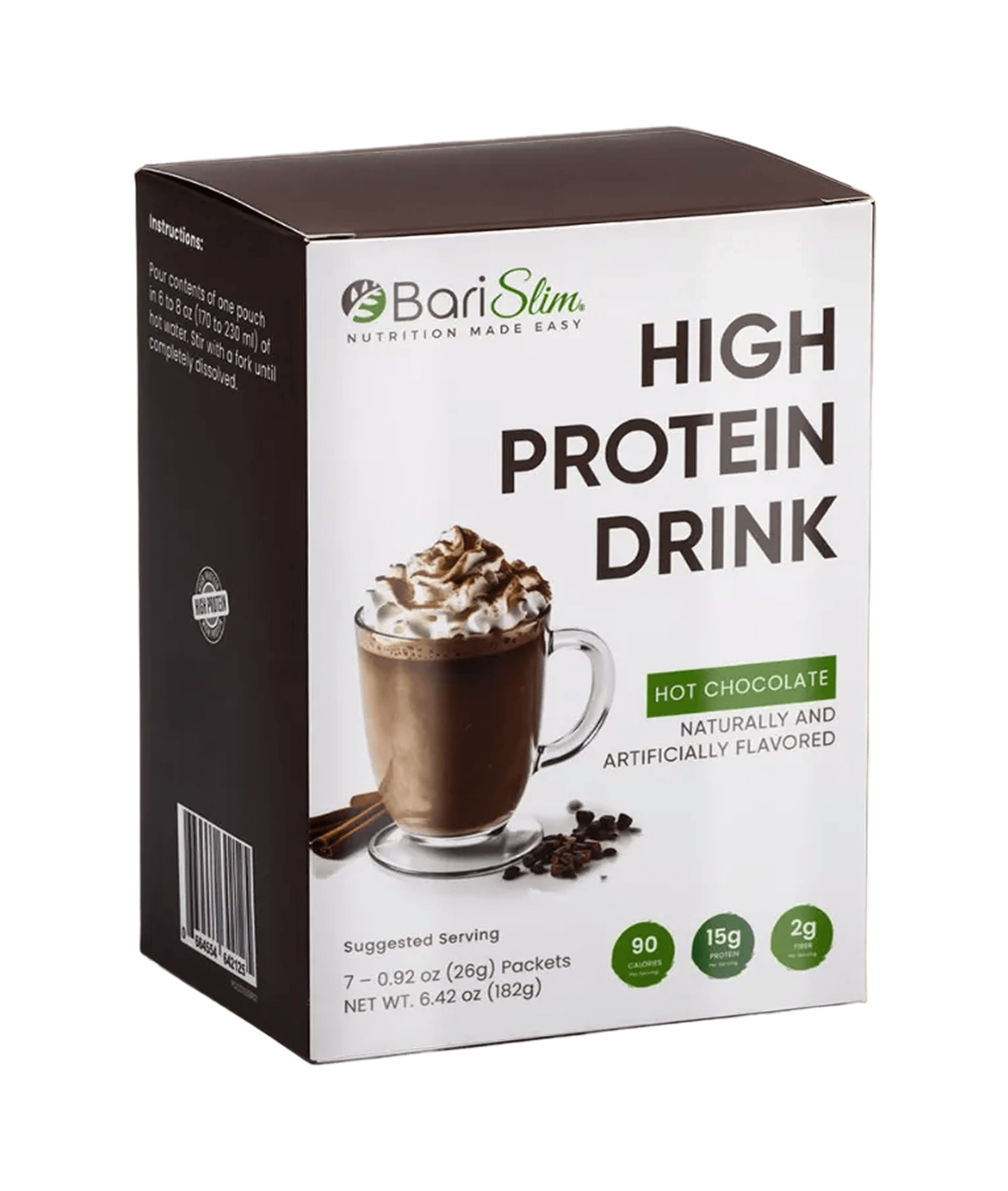
Meeting your daily protein goals after bariatric surgery is much easier when you have a reliable, easy-to-use option built into your routine.
That's where BariSlim's High Protein Shake can help you stay consistent, especially on days when appetite is low or meal prep feels difficult.
Nutrient-Dense Foods
Since you are eating less, the quality of your food becomes more important than ever. Nutrient-dense foods provide more vitamins, minerals, and overall benefits in smaller portions.
Focusing on these foods helps support energy, bone health, and overall function without adding unnecessary volume. It also matters because nutrient deficiencies after bariatric surgery are very common when meals aren't planned with intention, even among patients who feel like they're eating well.
Examples include:
- Lean proteins
- Vegetables
- Fruits that are easy to tolerate
- Whole, minimally processed foods
Choosing nutrient-dense options ensures that even small meals continue to support your body effectively.
Hydration
Fluids play a critical role in digestion, energy levels, and overall comfort after bariatric surgery. Because your stomach capacity is reduced, drinking large amounts at once may feel uncomfortable. Instead, small and consistent sips throughout the day help maintain hydration more effectively. Staying hydrated supports smoother digestion and may help reduce common issues like fatigue or constipation. Building hydration into your daily routine makes it easier to stay consistent without needing to track it constantly.
Foods to Limit or Avoid
There are some foods you cannot eat after bariatric surgery as they can be harder for your body to tolerate or may not support your recovery as effectively. Limiting these options can help reduce discomfort and make it easier to maintain steady progress.
- Highly processed foods often provide little nutritional value and can take up space that your body needs for more beneficial nutrients.
- Foods high in sugar may lead to energy fluctuations and can feel uncomfortable, especially in the early stages of recovery.
- Foods that are difficult to digest, particularly early on, may cause discomfort or slow down your progress as your body adjusts.
Focusing on simple, well-tolerated foods makes it easier to build a routine that supports your digestion and long-term consistency.
Sample Bariatric Diet Plan
Here’s a simple example of how a day might look once you reach the solid food stage and have established a basic routine.
|
Meal |
Example |
Why It Works |
|
Breakfast |
Protein shake or eggs |
Supports early protein intake and provides steady energy. |
|
Lunch |
Lean protein with vegetables |
Provides balanced nutrients in smaller portions. |
|
Snack |
Yogurt or a protein-based snack |
Helps maintain energy levels between meals. |
|
Dinner |
Lean protein with vegetables |
Supports recovery and overall nutrition while keeping meals light. |
Bariatric Food List (Quick Reference)
Protein Sources
- Chicken, fish, eggs
- Greek yogurt, cottage cheese
- Low-sugar protein shakes
Vegetables (easy to tolerate)
- Soft cooked vegetables
- Zucchini, carrots, spinach
Fruits (in moderation)
- Bananas
- Applesauce
- Berries
Foods to Limit
- Sugary foods
- Fried foods
- Highly processed snacks
Why Supplements Are Important?
After bariatric surgery, your body absorbs fewer nutrients, and your portion sizes are significantly smaller. This makes it difficult to meet your daily nutritional needs through food alone, even with a well-balanced diet. Over time, small gaps in nutrient intake can affect your energy levels, recovery, and overall health. According to a systematic review published on the National Institutes of Health's PMC database, patients can lose as much as 22% of their lean body mass within the first year after gastric bypass surgery when protein intake isn't carefully managed. That’s why having a consistent supplement routine helps support steady intake and reduces the risk of deficiencies as your body adjusts.
BariSlim Complete Multivitamin
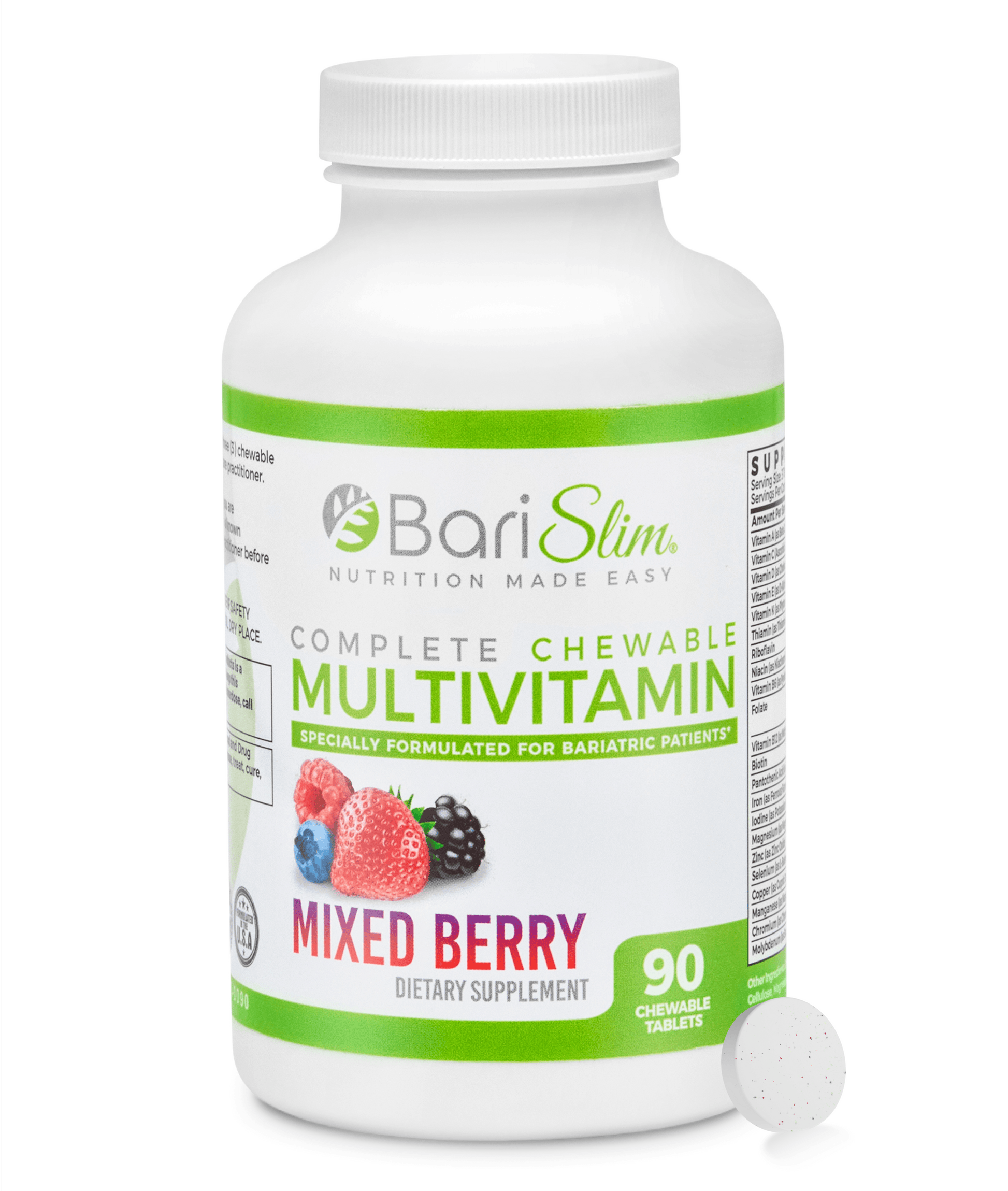
BariSlim's Complete Multivitamin acts as the foundation of your daily routine, helping support key nutrients your body relies on after surgery.
- Supports daily nutrient intake across essential vitamins and minerals
- Designed specifically for bariatric patients
- Helps maintain consistency through a simple routine
How to Build a Sustainable Diet
A sustainable diet after bariatric surgery is not about strict rules. It is about creating a routine that you can follow consistently without overcomplicating your daily choices.
Focusing on a few core principles makes it easier to maintain your progress over time:
Simplicity
Keeping meals and supplements simple reduces decision fatigue and makes it easier to stay consistent every day.
Consistency
Regular meals, hydration, and supplement intake help your body adjust and maintain stable energy and digestion.
Balance
Combining protein, nutrient-dense foods, and proper supplementation supports your overall health without relying on a single factor.
Build a Simple Daily Routine
A structured routine helps remove guesswork and keeps your nutrition on track throughout the day. When supplements and meals are taken at regular times, your body can adjust more effectively.
- Morning: Water + bariatric multivitamin (foundation for daily nutrient support)
- Midday: Fluids + fiber-focused meal (supports digestive movement and consistency)
- Evening: Light meal + continued hydration (helps maintain regular bowel patterns)
- Optional: Protein support between meals (helps maintain overall intake and recovery)
Spacing supplements throughout the day helps improve absorption and reduces nutrient interactions.
Common Diet Mistakes
Even with a clear plan, it is easy to make small mistakes after bariatric surgery that can affect your progress over time. Most challenges are not about what to eat, but how consistently you follow your routine.
Not prioritizing protein
Protein is the foundation of your diet after bariatric surgery. If it is not eaten first, it becomes harder to meet your daily needs within smaller portion sizes.
Skipping meals
Missing meals can lead to low energy and make it more difficult to maintain a steady intake of nutrients throughout the day.
Not staying hydrated
Low fluid intake can affect digestion and overall comfort. Consistent hydration supports energy levels and helps maintain regular digestion.
Overcomplicating meals
Trying to follow complex meal plans can make it harder to stay consistent. Simple, repeatable meals are easier to maintain long-term.
Frequently Asked Questions
What can I eat after bariatric surgery?
After bariatric surgery, patients follow structured diet stages, starting with liquids and gradually progressing to soft and solid foods. Each stage helps your body adjust safely while supporting recovery and digestion.
How much protein do I need?
Most patients need around 60 to 100 grams of protein per day after bariatric surgery. Protein supports muscle maintenance, recovery, and overall energy levels.
Can I eat normal foods again?
Over time, most patients transition to a balanced diet that includes a variety of foods. However, portion sizes remain smaller, and meals should continue to focus on protein and nutrient-dense choices.
Do I still need supplements?
Yes, supplements are an important part of bariatric nutrition. Since your body absorbs fewer nutrients and you eat less, supplements help support consistent intake and reduce the risk of deficiencies.
What’s the best way to stay consistent?
The best way to stay consistent is to follow a simple routine. Structured meals, regular hydration, and daily supplements make it easier to maintain your diet without overcomplicating your routine.
Support Your Diet and Daily Routine
Following the right diet after bariatric surgery is one of the most important steps for long-term success. But consistency is what truly makes the difference.
Since your body absorbs fewer nutrients and portion sizes are smaller, pairing your diet with a structured supplement routine contributes to your overall health and makes your daily intake more reliable.
A simple system that combines multivitamins, protein support, and balanced meals, is important for staying on track without overcomplicating your routine.