Order Free Sample


Dehydration after bariatric surgery is more common than many patients expect. In the early weeks and even months after surgery, it can be difficult to keep up with fluid intake as your body adjusts to smaller portions and new routines.
You may be told to drink more water, but in reality, it is not always that simple. Because your stomach capacity is reduced and you are advised to sip slowly, it becomes easy to fall behind without realizing it.
The good news is that dehydration after bariatric surgery can be managed with simple, consistent habits.
By understanding why it happens and building a structured hydration routine, you can support your energy levels, improve daily comfort, and stay on track with your recovery.
Quick Summary
- Dehydration after bariatric surgery is common due to reduced stomach capacity
- Most patients need 48–64 oz of fluids daily
- Symptoms include fatigue, dizziness, headaches, and dark urine
- Hydration requires small, consistent sips throughout the day
- Building a simple routine improves consistency
- Multivitamins support overall daily function alongside hydration
Who This Guide Is For
This guide is designed for:
-
Gastric sleeve patients
-
Gastric bypass patients
-
Patients struggling with fluid intake
- Anyone experiencing symptoms like dehydration or fatigue
Is Dehydration Common After Bariatric Surgery?
Dehydration after bariatric surgery is one of the most common challenges patients face, especially during the early stages of recovery.
This happens because your fluid intake habits change after surgery. You can no longer drink large amounts at once, and feeling full quickly can make it harder to stay consistent throughout the day.
As a result, even small gaps in daily fluid intake can build up and lead to symptoms like fatigue, dizziness, or low energy.
Symptoms of Dehydration After Bariatric Surgery
Dehydration after bariatric surgery can show up in different ways. Because your fluid intake is spread throughout the day, even small gaps can lead to noticeable changes in how you feel.
Dizziness
You may feel lightheaded, especially when standing up or moving quickly. This happens when your body does not have enough fluid to maintain stable circulation, which can affect balance and overall comfort.
Fatigue
Low fluid intake can make you feel more tired than usual. Even simple tasks may feel harder, as your body is not getting the hydration it needs to maintain steady energy levels.
Headaches
Dehydration can lead to persistent or recurring headaches. These may feel mild at first but can become more noticeable as fluid levels continue to drop.
Dry Mouth
A dry or sticky feeling in your mouth is often one of the earliest signs. This can make it uncomfortable to eat or speak and is usually a signal that your body needs more fluids.
Dark Urine
Changes in urine color are one of the clearest indicators of hydration. Dark yellow urine often means your body is conserving water, which can happen when fluid intake is too low.
Recognizing these symptoms early makes it easier to adjust your hydration habits and maintain a more consistent routine throughout the day.
Why Dehydration Happens After Bariatric Surgery
Dehydration after bariatric surgery is usually not caused by one single factor. It happens due to a combination of physical changes and new habits that affect how and when you drink fluids.
Reduced Stomach Capacity
After surgery, your stomach can only hold small amounts at a time. Drinking large volumes of water is no longer comfortable or practical.
This means you need to rely on small, frequent sips throughout the day. If this pattern is not maintained, it becomes easy to fall short of your daily fluid needs without realizing it.
Drinking and Eating Separation
Patients are often advised to avoid drinking fluids during meals. This helps prevent discomfort and allows your body to digest food more effectively.
However, this also reduces the number of opportunities you have to drink. If fluids are not spaced properly before and after meals, your total intake can drop without you noticing.
Forgetting to Sip Throughout the Day
Hydration after bariatric surgery depends on consistency rather than volume. Unlike before, you cannot rely on drinking large amounts at once to meet your needs.
Busy routines, distractions, or a lack of reminders can make it easy to forget to sip regularly. Over time, these small gaps add up and can lead to dehydration.
How Much Water Do You Need?
Most bariatric patients aim for:
48 to 64 ounces of fluid per day
This supports hydration, digestion, and overall daily function after surgery.
Keep in mind, your needs may vary slightly based on your body, activity level, and recovery stage. The key is to stay consistent with small, steady intake throughout the day rather than focusing on large amounts at once.
How to Help Prevent Dehydration
Preventing dehydration after bariatric surgery comes down to building simple habits you can follow consistently each day. Small actions, when repeated regularly, make the biggest difference.
Sip Water Throughout the Day
Instead of drinking large amounts at once, focus on taking small, steady sips throughout the day.
This approach is easier on your stomach and helps maintain a more consistent level of hydration without discomfort.
Use a Structured Routine
Spacing fluids throughout your day, alongside meals and supplements, helps you stay consistent without overthinking it.
Build a Daily Routine
A structured routine makes it easier to stay hydrated without overthinking your intake.
Morning: Start your day with small sips of water to rehydrate after sleep
Midday: Continue steady fluid intake between meals (avoid drinking with meals)
Afternoon: Add hydrating options like broths or electrolyte drinks if intake is lower
Evening: Finish your fluid goals with light sipping, avoiding large amounts at once
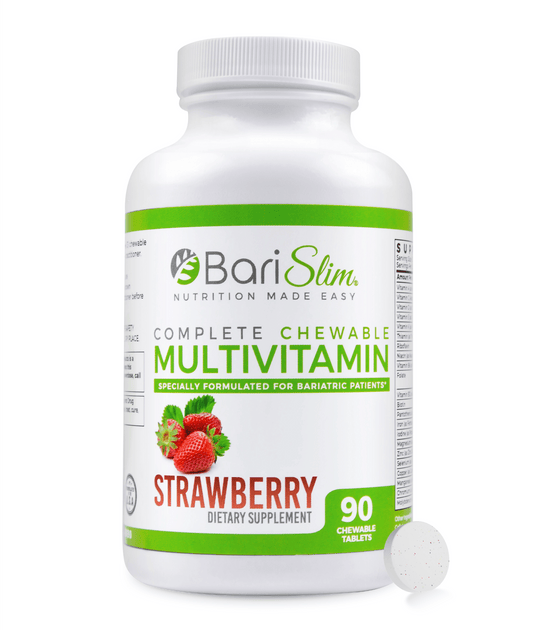
Daily Support: Include a bariatric multivitamin to support overall function alongside hydration
Set Reminders
It is easy to forget to drink fluids, especially during busy days. Simple reminders on your phone or using a water tracking app can help you stay aware of your intake and maintain steady hydration.
Choose Hydrating Foods
Some foods can contribute to your overall fluid intake, especially in the early stages when drinking enough can feel challenging.
Options like soups, yogurt, and water-rich foods can help support hydration while also fitting into your diet.
What Happens If Dehydration Continues?
When dehydration after bariatric surgery is not addressed, it can start to affect how your body functions on a daily basis.
You may notice:
- Increased fatigue
- Reduced energy levels
- Headaches or lightheadedness
- Difficulty concentrating
- Slower recovery and reduced daily comfort
These changes can build up over time, making recovery feel slower and more challenging. Staying consistent with hydration helps support your energy, comfort, and overall well-being.
When Dehydration Might Need Attention
If symptoms continue despite improving your fluid intake, it may need closer attention.
Ongoing dizziness, persistent fatigue, or difficulty maintaining daily activities may indicate that your hydration levels are still not consistent.
Paying attention to these signs early helps you adjust your routine and maintain better overall stability.
Common Mistakes That Lead to Dehydration
Even with the right information, small gaps in daily habits can lead to dehydration. Most issues come from inconsistency rather than a lack of awareness.
- Not sipping throughout the day
- Relying on thirst alone instead of a routine
- Not tracking fluid intake
- Skipping hydration during busy days
Avoiding these common mistakes and keeping your approach simple can make it much easier to stay consistently hydrated.
Best Drinks for Hydration After Bariatric Surgery
Staying hydrated after bariatric surgery is not just about drinking more water. Choosing the right fluids can make it easier to maintain consistent intake throughout the day.
Water
Water should remain your primary source of hydration. Sipping small amounts consistently helps maintain fluid balance without overwhelming your stomach.
Electrolyte Drinks
Low-sugar electrolyte drinks can help support hydration, especially when fluid intake is lower than usual. They help maintain fluid balance and can be useful on more difficult days.
You may consider adding electrolytes:
During low intake days: If you are struggling to drink enough fluids, electrolytes can help support hydration more efficiently.
During physical activity: Exercise or increased activity may increase fluid loss, making electrolytes useful for maintaining balance.
When experiencing symptoms: If you notice signs like fatigue, dizziness, or low energy, electrolytes may help support hydration alongside regular fluid intake.
Broths and Light Soups
Clear broths and light soups can contribute to your daily fluid intake while being easy to tolerate, especially in early recovery stages.
What to Avoid
Sugary drinks and carbonated beverages can make hydration more difficult. They may cause discomfort, bloating, or interfere with your ability to maintain steady intake.
Choosing simple, well-tolerated fluids makes it easier to stay consistent and avoid unnecessary discomfort.
Tips to Stay Consistent
Staying hydrated after bariatric surgery becomes much easier when you keep your approach simple and repeatable.
- Keep water nearby so it is always within reach
- Use a marked water bottle to track your intake throughout the day
- Set simple daily goals to stay on track without overthinking
Small, consistent habits like these help you maintain steady hydration without needing constant effort.
Frequently Asked Questions
How much water should I drink after bariatric surgery?
Most patients aim for around 48 to 64 ounces of fluid per day. This can vary based on individual needs, but consistency with small, steady sips is more important than volume at once.
Why is dehydration so common after bariatric surgery?
Dehydration is common because your stomach holds less fluid, and drinking habits change after surgery. Without a structured routine, it becomes easy to fall behind on daily intake.
What are the signs of dehydration?
Common signs include dizziness, fatigue, headaches, dry mouth, and dark urine. These symptoms often appear when fluid intake is not consistent throughout the day.
How can I stay consistent with hydration?
Sipping fluids regularly, setting reminders, and building hydration into your daily routine can help you stay consistent without needing to track every detail.
Does hydration improve energy levels?
Proper hydration supports your body’s daily function and helps maintain steady energy levels, making it easier to stay active and comfortable throughout the day.
Can dehydration cause fatigue after bariatric surgery?
Yes, dehydration can contribute to fatigue after bariatric surgery. When fluid intake is low, your body may struggle to maintain normal energy levels and circulation, leading to tiredness and reduced daily function.
Support Your Daily Hydration Routine
Staying hydrated after bariatric surgery is not about drinking more at once. It is about building a simple routine you can follow every day.
When your hydration, nutrition, and supplements work together, it becomes easier to stay consistent and support your overall well-being.
A structured system helps reduce guesswork and keeps your daily habits aligned with your recovery.