Order Free Sample


Nausea after bariatric surgery can feel frustrating, especially when it starts to affect your daily routine. You may feel uncomfortable after eating, unsure which foods are causing it, or worried that something is not going as expected.
This uncertainty can make recovery feel harder than it should. Simple things like meals or hydration may start to feel overwhelming, and without clear guidance, it becomes difficult to know what to adjust or avoid.
The good news is that nausea after bariatric surgery is usually linked to how your body is adapting. With the right approach, small changes in how you eat, drink, and structure your routine can make a noticeable difference.
By understanding the common causes and building consistent habits, you can reduce discomfort and feel more in control as your body continues to adjust.
Quick Summary
- Nausea after bariatric surgery is common, especially early in recovery
- It is often caused by eating habits, portion size, or food tolerance
- Eating slowly and keeping portions small can help reduce symptoms
- Staying hydrated and avoiding drinking during meals improves comfort
- A simple and consistent routine makes nausea easier to manage over time
Who This Guide Is For
This guide is designed for:
-
Gastric sleeve patients
-
Gastric bypass patients
-
Patients early in recovery
- Anyone experiencing nausea after eating or drinking
Is Nausea Normal After Bariatric Surgery?
Nausea after bariatric surgery is a common part of the recovery process, especially in the early weeks. Your body is adjusting to major changes in how you eat, how much you eat, and how food is digested.
Because your stomach is smaller and more sensitive, even small changes in eating habits can lead to discomfort. This does not necessarily mean something is wrong. In most cases, it reflects how your body is learning to adapt.
Smaller Portions
After surgery, your stomach can only handle a limited amount of food at one time. Eating slightly more than your body can tolerate may lead to a feeling of fullness that quickly turns into nausea.
This is why portion control becomes important. Keeping meals small and spaced throughout the day helps your body process food more comfortably.
New Eating Habits
The way you eat matters just as much as what you eat. Eating too quickly, taking large bites, or not chewing food properly can make digestion more difficult.
Your body now needs slower, more mindful eating. Taking time with meals helps reduce strain on your digestive system and may help reduce nausea.
Changes in Digestion
Your digestive system functions differently after bariatric surgery. Food moves through your body differently, and certain foods may feel harder to tolerate at first.
This adjustment period can lead to temporary discomfort, including nausea. As your body adapts and your routine becomes more consistent, digestion often becomes easier and more predictable.
Understanding that nausea is part of this adjustment can help you approach it with more clarity. With the right habits, it often becomes easier to manage over time.
Build a Routine That Reduces Nausea
Nausea after bariatric surgery is often linked to daily habits. A simple, structured routine can help your body adjust and reduce discomfort.
Morning: Start with small, easy-to-tolerate foods. Sip fluids slowly instead of drinking large amounts at once.
Midday: Eat slowly, keep portions small, and continue sipping fluids between meals to stay hydrated.
Evening
Avoid heavy meals late in the day. Give your body time to digest and maintain spacing between food and fluids.
Keeping meals and hydration structured throughout the day helps reduce pressure on your stomach and improves overall comfort.
What Causes Nausea After Bariatric Surgery?
Nausea after bariatric surgery is usually not caused by one single factor. It often happens due to a combination of eating habits, portion sizes, and how your body is adjusting to changes in digestion.
Understanding these triggers can help you make small adjustments that reduce discomfort and improve how you feel after meals.
Eating Too Quickly
Eating too fast is one of the most common reasons for nausea after bariatric surgery. Your stomach now processes food more slowly, and rushing through meals can overwhelm your digestive system.
When food is not chewed properly, it becomes harder to break down. This can lead to discomfort, pressure, and nausea shortly after eating. Slowing down and taking smaller bites helps your body handle food more comfortably.
Overeating
After surgery, your stomach can only hold a small amount of food. Even slightly exceeding your limit can lead to discomfort that may quickly turn into nausea.
This is why portion control is important. Stopping as soon as you feel full, rather than finishing a portion out of habit, helps prevent unnecessary strain on your stomach.
Food Intolerance
Some foods may feel harder to tolerate after surgery, especially in the early stages. Foods that are heavy, greasy, or difficult to digest can trigger nausea more easily.
Your tolerance may change over time, so paying attention to how your body reacts to different foods helps you identify what works best for you.
Dehydration
Low fluid intake can contribute to nausea, even if it is not immediately obvious. When your body is not properly hydrated, digestion can feel slower and less comfortable.
Sipping fluids consistently throughout the day helps support digestion and may help reduce the likelihood of nausea.
Adjustment Period
Your body is adapting to major internal changes after surgery. Digestion, food tolerance, and eating patterns all shift during this time.
Nausea can be part of this adjustment phase as your body learns how to process food differently. As your routine becomes more consistent and your body adapts, these symptoms often improve gradually.
Recommended Support

Some patients find it easier to stay consistent when their supplements are simple and easy to tolerate, especially during periods of nausea.
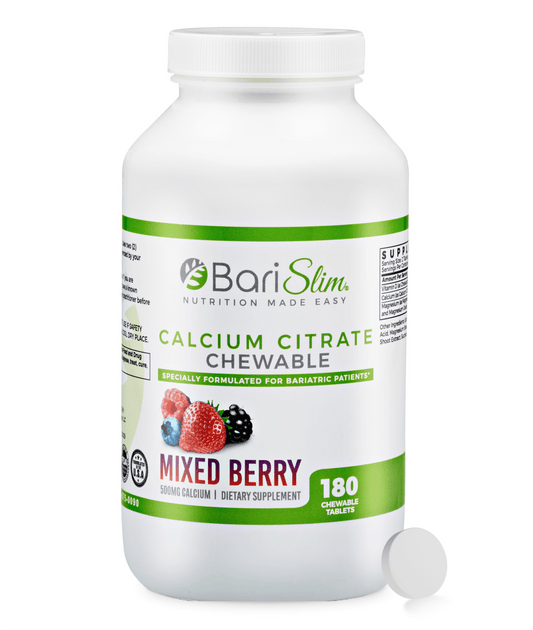
A bariatric-specific calcium supplement, such as calcium citrate, is often preferred because it is easier to absorb and gentler on digestion after surgery.
Choosing options that fit naturally into your routine can help reduce friction and make it easier to stay consistent over time.
- Designed for bariatric patients
- Easy to take and gentle on digestion
- Supports daily routine and consistency
How to Help Reduce Nausea After Bariatric Surgery
Reducing nausea after bariatric surgery often comes down to making small, consistent adjustments to how you eat and drink. Simple habits can make a noticeable difference in how your body responds throughout the day.
Eat Slowly
Eating slowly helps your body process food more comfortably. Taking small bites and chewing thoroughly reduces the strain on your digestive system.
Rushing through meals can lead to discomfort and increase the chances of nausea. Giving your body time to adjust during meals helps improve tolerance.
Keep Portions Small
Your stomach can only handle limited amounts of food after surgery. Even slightly larger portions can cause discomfort that may lead to nausea.
Smaller, well-spaced meals are easier to tolerate and help your body manage digestion more effectively.
Stay Hydrated
Hydration plays an important role in digestion and overall comfort. Low fluid intake can make nausea more noticeable and affect how your body processes food.
Sipping fluids consistently throughout the day helps support digestion and may help reduce discomfort.
Follow a Structured Routine
A consistent routine helps your body adjust to new eating patterns. When meals, fluids, and supplements are spaced regularly, digestion becomes more predictable.
Over time, this consistency helps reduce fluctuations that can trigger nausea.
Identify Trigger Foods
Not all foods will feel the same after surgery. Some may be harder to tolerate and can lead to discomfort or nausea.
Paying attention to how your body reacts helps you identify which foods work best for you. Adjusting your choices based on this can make your routine smoother and more comfortable.
What to Expect Over Time
Nausea after bariatric surgery usually improves gradually rather than all at once. As your body adapts to changes in digestion and your daily habits become more consistent, you may start to notice small improvements.
Over time, your body adjusts to smaller portions, your routine becomes more predictable, and you learn which foods and habits work best for you. As these factors come together, nausea often becomes less frequent and easier to manage.
Best Foods to Eat When Experiencing Nausea
When nausea occurs after bariatric surgery, choosing the right foods can make a noticeable difference. Simple, easy-to-digest options are often better tolerated while your body adjusts.
Soft, Easy-to-Digest Foods
Foods with a soft texture are easier on your stomach and reduce strain during digestion.
- Scrambled eggs
- Yogurt
- Mashed potatoes
- Soft fruits like bananas
Bland Options
Bland foods are less likely to trigger nausea and are often recommended during recovery.
- Plain rice
- Toast or crackers
- Boiled vegetables
Foods to Temporarily Avoid
Some foods may increase discomfort, especially early on.
- Greasy or fried foods
- Spicy meals
- Highly processed foods
- Carbonated drinks
As your body adapts, your tolerance may improve. Start simple and gradually reintroduce foods based on how you feel.
When to Be Concerned About Nausea
While nausea after bariatric surgery is common, there are times when it may need closer attention.
If nausea becomes frequent, persistent, or starts to interfere with your ability to eat, drink, or maintain your daily routine, it may be a sign that something needs adjustment.
Paying attention to patterns can help.
Ongoing nausea after most meals, difficulty keeping fluids down, or worsening discomfort may indicate that your current routine, portion sizes, or food choices need to be reviewed.
Addressing these signs early can help you make small changes before they affect your overall progress and daily comfort. If these symptoms occur, it is important to consult your healthcare provider.
Frequently Asked Questions
Is nausea normal after bariatric surgery?
Yes, nausea after bariatric surgery is common, especially in the early stages of recovery. Your body is adjusting to smaller portions, new eating habits, and changes in digestion, which can temporarily affect how you feel after meals.
What causes nausea after surgery?
Nausea is often linked to eating too quickly, eating more than your body can tolerate, dehydration, or sensitivity to certain foods. As your body adapts and your routine becomes more consistent, these triggers usually become easier to manage.
How can I reduce nausea?
Eating slowly, keeping portions small, staying hydrated, and following a consistent routine can help reduce nausea. Paying attention to how your body responds to different foods also helps you make better choices over time.
How long does nausea last?
Nausea usually improves gradually as your body adjusts after surgery. For many patients, it becomes less frequent as eating habits stabilize and digestion becomes more predictable.
What’s the easiest way to stay consistent?
The easiest way to stay consistent is to follow a simple daily routine. Regular meals, steady hydration, and structured supplement intake make it easier to maintain habits without overcomplicating your day.
Support Your Daily Routine
Nausea after bariatric surgery can feel frustrating, especially when it affects your meals and daily comfort. The key is not making drastic changes, but building simple habits you can follow consistently.
When your meals, hydration, and supplements work together as part of a structured routine, it becomes easier to reduce discomfort and stay on track.
A clear and simple system helps you stay consistent every day and supports your recovery over time.