Order Free Sample


Bariatric surgery can be a powerful step toward better health and long term weight loss. However, many patients are not fully prepared for what comes next.
After surgery, it is common to experience fatigue, digestive changes, or shifts in how your body feels day to day.
These bariatric surgery side effects can feel unexpected and, at times, frustrating. Without clear guidance, it becomes difficult to know what is normal and what needs attention.
The good news is that most side effects are part of your body adjusting. With the right understanding and a simple, consistent routine, you can manage these changes and support your recovery with confidence.
Quick Summary
- Bariatric surgery side effects are common, especially during early recovery
- Nutrient deficiencies can develop over time due to reduced absorption
- Most side effects improve as your body adjusts
- Fatigue, hair loss, constipation, and nausea are among the most frequent symptoms
- A consistent supplement and nutrition routine supports recovery
- Simple daily habits help maintain long term health after surgery
Who This Guide Is For
This guide is designed for:
-
Patients preparing for bariatric surgery
-
Gastric sleeve patients
-
Gastric bypass patients
-
Anyone experiencing symptoms after surgery
What Are the Most Common Side Effects of Bariatric Surgery?
Most bariatric surgery side effects are linked to how your body adapts to major changes in intake, digestion, and absorption. These effects can feel noticeable at first, but many improve as your routine becomes more consistent.
Fatigue
Fatigue is one of the earliest and most noticeable side effects after surgery. Your body is working with fewer calories while also adjusting to rapid weight loss, which can lower your energy levels.
You may feel tired even after rest or find it harder to complete daily tasks. This is often linked to both reduced intake and changes in nutrient levels such as iron and vitamin B12.
As your eating pattern stabilizes and your supplement routine becomes consistent, energy levels usually improve gradually.
Hair Loss
Hair loss typically appears a few months after surgery rather than immediately. It is often linked to rapid weight loss and temporary shifts in nutrient intake, especially protein and key vitamins.
You may notice increased shedding while brushing or washing your hair. This can feel concerning, but it is usually part of the body prioritizing essential functions during recovery.
As your nutrient intake improves and your body adapts, hair growth often returns over time with consistent support.
Constipation
Constipation is a common digestive change after bariatric surgery. Smaller food portions mean less movement through the digestive system, which can slow bowel activity.
Lower fiber intake and reduced fluid consumption can make this more noticeable. Stool may become harder and less frequent, especially in the early stages.
With consistent hydration, gradual fiber intake, and a simple routine, digestion often becomes more regular over time.
Nausea
Nausea can occur as your body adjusts to new eating habits and portion sizes. Eating too quickly, taking large bites, or introducing certain foods too soon can trigger discomfort.
You may also notice nausea if meals are not spaced properly or if your body is still adapting to how food is processed after surgery.
As you learn your tolerance levels and follow a steady routine, nausea usually becomes less frequent and easier to manage.
Nutrient Deficiencies
After bariatric surgery, your body absorbs fewer nutrients from food. This makes deficiencies more likely over time, especially if intake is not consistent.
Common deficiencies include iron, vitamin B12, calcium, and vitamin D. These nutrients play a role in energy, bone health, and overall function.
Because these changes develop gradually, they are often not noticeable right away. A consistent supplement routine helps support stable levels over the long term.
Changes in Digestion
Your digestive system functions differently after surgery. Food moves through your body in a new way, and portion sizes are much smaller than before.
You may feel full more quickly, notice changes in hunger, or react differently to certain foods. Some foods may feel harder to tolerate during the early stages.
As your body adapts and your routine becomes more predictable, digestion often feels more stable and manageable over time.
Support Your Post-Surgery Routine
After bariatric surgery, your body relies on more than just food to meet its daily needs. A structured supplement routine helps support consistent intake, especially when absorption and portion sizes are reduced.
BariSlim’s bariatric nutrition supplements work together as a complete system, combining multivitamins, calcium, and protein support to fit into your daily routine.
Side Effects Overview
Here’s a quick overview of the most common bariatric surgery side effects, what causes them, and when they typically occur:
| Side Effect | Common Cause | Timeframe |
|---|---|---|
| Fatigue | Low intake, nutrient deficiencies | Early months |
| Hair Loss | Rapid weight loss, nutrient shifts | 3–6 months |
| Constipation | Diet, hydration, low fiber | Early stages |
| Nausea | Adjustment period, eating habits | Early stages |
| Nutrient Deficiencies | Reduced absorption | Ongoing |
How Long Do Side Effects Last?
Most bariatric surgery side effects improve over time as your body adapts to changes in intake, digestion, and nutrient absorption.
In the early weeks, symptoms like fatigue, nausea, or constipation are more common as your routine is still developing.
For many patients, noticeable improvements begin within a few months as eating patterns stabilize and nutrient intake becomes more consistent. Some effects, such as hair loss, may appear later but are usually temporary.
Long term side effects, like nutrient deficiencies, depend more on consistency.
Your recovery timeline is influenced by how well you maintain your routine, support your nutrient intake, and respond to your body’s needs over time.
How to Help Manage Side Effects
Managing bariatric surgery side effects comes down to building simple habits that support your body every day.
1. Stay Consistent With Supplements
After surgery, your body absorbs fewer nutrients from food alone. This makes supplementation an essential part of your daily routine.
Taking the right supplements regularly helps support steady nutrient levels instead of creating gaps that can affect how you feel. Missing doses over time can contribute to fatigue, weakness, or other symptoms.
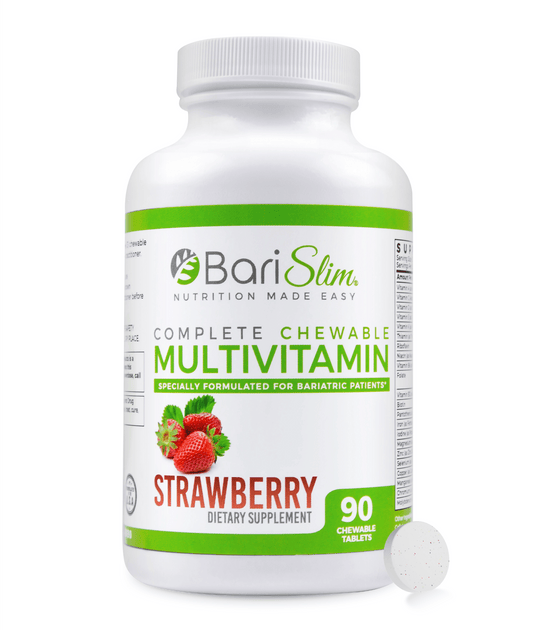
BariSlim Complete Multivitamin

BariSlim's all-in-one bariatric multivitamin works as the foundation of your routine. It helps support daily intake across key nutrients your body relies on after surgery.
- Supports daily nutrient intake
- Designed for bariatric patients
- Helps maintain consistency
2. Build a Simple Routine
A structured routine prevents you from overthinking your daily intake. When supplements and meals are taken at regular times, your body can adjust more effectively.
Morning: Water + bariatric multivitamin (foundation for daily nutrient support)
Midday: Fluids + fiber-focused meal (supports digestive movement and consistency)
Evening: Light meal + continued hydration (helps maintain regular bowel patterns)
Optional: Protein support between meals (helps maintain overall intake and recovery)
Spacing supplements throughout the day helps improve absorption and reduces nutrient interactions.
3. Monitor Your Body Over Time
Your body continues to adjust long after the initial recovery period. Paying attention to how you feel can help you understand what your body needs.
Changes in energy, digestion, or overall comfort can signal that your routine may need small adjustments. This could include improving consistency, adjusting intake, or reviewing your supplement habits.
Staying aware of these signals helps you stay proactive. Over time, this makes it easier to maintain a routine that supports your long term health and recovery.
Why Supplementation Matters After Bariatric Surgery
After bariatric surgery, your body processes food differently. You are eating less, and your ability to absorb nutrients is also reduced. This means that even with a balanced diet, it can be difficult to meet your daily nutrient needs through food alone.
Over time, small gaps in nutrient intake can build up. This may contribute to the side effects mentioned in this article. Since these changes are often gradual, consistency becomes even more important.
Keeping your supplementation simple and consistent allows your body to adapt more smoothly. This plays an important role in supporting both short term recovery and long term health after bariatric surgery.
Why Supplement Timing Matters
After bariatric surgery, certain nutrients compete for absorption.
For example, calcium and iron should not be taken together because they can reduce each other’s effectiveness.
Spacing your supplements throughout the day helps your body absorb nutrients more efficiently and supports better long term results.
Common Mistakes During Recovery
Even small gaps in your routine can affect how your body feels after surgery. Most issues are not caused by one major mistake, but by repeated inconsistencies over time.
Skipping Supplements
After bariatric surgery, your body cannot rely on food alone to meet its nutrient needs. Skipping supplements creates gaps that build up over time.
You may not notice the effects immediately, but low nutrient levels can lead to fatigue, weakness, or changes in how your body functions.
Taking supplements regularly each day helps maintain stable levels and supports your recovery more effectively than occasional intake.
Not Following a Routine
Without a clear routine, it becomes harder to stay regular with meals, hydration, and supplements. This can lead to missed doses or incorrect timing.
Your body responds best to predictable patterns. When intake is irregular, it becomes more difficult to maintain stable energy and digestion.
A simple daily routine removes guesswork and makes it easier to stay on track long term.
Ignoring Symptoms
Early signs like fatigue, low energy, or digestive discomfort are often easy to overlook. Many patients assume these are just part of recovery.
While some symptoms are normal, ignoring them can allow small issues to develop over time. Paying attention helps you adjust your routine before they become more noticeable.
Being aware of how your body feels allows you to stay proactive and support your recovery more effectively.
Irregular Habits
Inconsistency across hydration, meals, and supplements can disrupt how your body functions. Even if your overall intake seems balanced, irregular habits can affect results.
For example, missing fluids one day or skipping protein the next can create fluctuations that impact your energy and digestion.
Maintaining steady habits each day helps your body adapt more smoothly and supports long term stability after surgery.
Frequently Asked Questions
Are side effects normal after bariatric surgery?
Yes, bariatric surgery side effects are common, especially in the early stages of recovery. Your body is adjusting to changes in digestion and nutrient absorption. Symptoms like fatigue, hair loss, and digestive changes are often part of this normal transition.
How long do side effects last after bariatric surgery?
Most bariatric surgery side effects improve over time as your body adapts. Early symptoms may last a few weeks to months, while others like hair loss can appear later. Recovery depends on consistency with nutrition, supplements, and daily habits.
Can bariatric surgery side effects be prevented?
Bariatric surgery side effects cannot be fully avoided, but they can be better managed. Following a regular supplement routine, maintaining proper nutrition, and building simple daily habits can help support your body and reduce the risk of long term issues.
What are the most common bariatric surgery side effects?
The most common bariatric surgery side effects include fatigue, hair loss, constipation, nausea, and nutrient deficiencies. These symptoms are usually linked to changes in intake, digestion, and absorption after surgery.
What’s the best way to support recovery after bariatric surgery?
The best way to support recovery is through consistency. A simple routine that includes proper nutrition, regular supplementation, hydration, and protein intake helps support energy, digestion, and long term health after bariatric surgery.
Support Your Recovery and Long-Term Health
Adjusting after bariatric surgery can feel overwhelming, especially when side effects impact your daily routine. The key is not doing everything at once, but staying consistent with the right support system.
When your routine is clear and easy to follow, it becomes much easier to stay consistent every day. That consistency is what helps your body adjust, stabilize, and feel better over time.
BariSlim makes it simple to follow a structured routine without overcomplicating your daily intake. Instead of managing separate products, you can follow a simple, structured routine that supports your nutrient intake, energy levels, and long term health.