Order Free Sample


After bariatric surgery, your body absorbs significantly less calcium than it did before. This increases the risk of deficiencies that can affect bone strength, muscle function, and long-term health—often without obvious symptoms in the early stages.
Because of this, calcium intake is not something that can be left to diet alone. Most patients require lifelong supplementation to help maintain proper levels over time.
The challenge is knowing which option actually works.
Not all supplements are equal. Many standard calcium products are harder to absorb after surgery, making it difficult to meet your daily needs even if you’re taking them regularly.
Choosing the best calcium supplements after bariatric surgery means focusing on forms that support absorption, proper dosage, and long-term consistency.
In this guide, we’ll break down the most effective types of calcium, how much you need, how to take it correctly, and how to build a routine that supports bone health after procedures like gastric sleeve and gastric bypass.
Quick Summary
After bariatric surgery, calcium absorption decreases, making supplementation essential for long-term health.
- Calcium citrate is the preferred form for better absorption
- Most patients need 1,200 to 1,500 mg per day
- Splitting doses improves absorption and consistency
- Calcium should be taken separately from iron
- Vitamin D supports calcium absorption
- A simple daily routine makes it easier to stay consistent
Who This Guide Is For
This guide is designed for anyone navigating calcium supplementation before or after bariatric surgery, including:
-
Gastric sleeve patients who need support due to reduced food intake
-
Gastric bypass patients with both reduced intake and absorption
-
Patients concerned about bone health and long-term nutrient balance
-
Anyone looking to optimize their supplement routine for consistency and effectiveness
Whether you’re preparing for surgery or adjusting to life after it, understanding how to manage calcium intake can help you stay consistent and support long-term health.
What Are the Best Calcium Supplements After Bariatric Surgery?
The best calcium supplements after bariatric surgery are those that your body can absorb efficiently despite reduced digestion and stomach acid. For most patients, this means choosing calcium citrate over other forms.
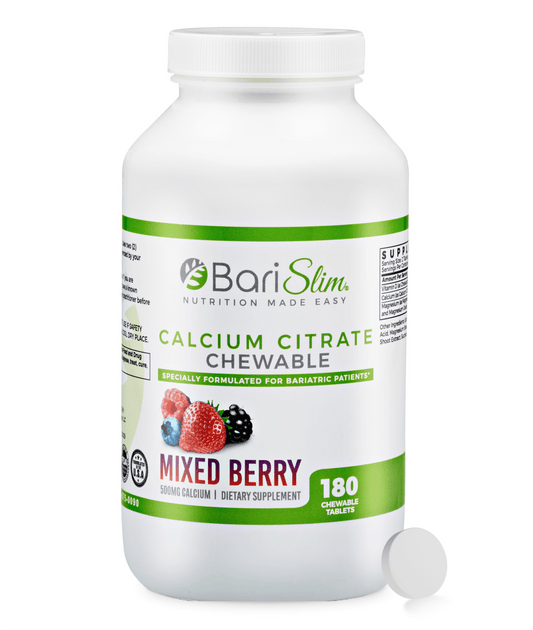
BariSlim Calcium Citrate
BariSlim's Calcium Citrate absorbs well even when stomach acid is low.
The chewable format makes it easy to take, and it already includes vitamin D to help with absorption.
Dosing is straightforward and aligned with bariatric guidelines. If you want something built for your new anatomy rather than adapted from a general supplement, this is the one to beat.
Citracal Maximum Plus Vitamin D
Citracal is a solid general supplement and widely available. It also uses calcium citrate, so absorption is decent.
The downside is that you typically need two to three caplets per dose, and the pills are on the larger side.
For someone early after surgery or anyone who struggles with swallowing, that can become a real barrier to staying consistent.
Why Calcium Citrate Is Preferred
Calcium citrate is widely recommended because it is easier to absorb in low-acid conditions, which are common after procedures like gastric sleeve and gastric bypass.
Unlike other forms, it does not rely heavily on stomach acid, making it a more reliable option for maintaining consistent calcium levels.
It can also be taken with or without food, which adds flexibility and makes it easier to stay consistent day to day.
How to Take Calcium for Better Absorption
Choosing the right form is only part of the equation. How you take calcium also affects how well your body uses it.
-
Split your doses: The body absorbs calcium more efficiently in smaller amounts. Most patients divide their intake into 2–3 doses throughout the day.
-
Pair with vitamin D: Vitamin D helps your body absorb calcium more effectively and supports bone health.
-
Avoid taking with iron: Calcium and iron can compete for absorption, so it’s best to space them a few hours apart.
What Makes a Good Bariatric Calcium Supplement
A high-quality bariatric calcium supplement should be:
-
In citrate form for better absorption
-
Properly dosed to meet daily needs without requiring excessive pills
-
Easy to take consistently, whether chewable, capsule, or liquid
In simple terms, the best calcium supplement is one your body can absorb—and one you can take consistently every day.
Best Bariatric Calcium Supplement

If you want a calcium supplement that actually works with your new anatomy, BariSlim Calcium Citrate is the smart choice.
Unlike standard supplements that assume normal stomach acid, this is engineered for the gastric sleeve and gastric bypass patients.
-
Clinically-smart calcium citrate – Absorbs reliably even with drastically reduced stomach acid
-
Chewable and effortless – No hard-to-swallow pills, no excuses, just results
-
Built-in vitamin D – Essential for absorption, already included so you never miss it
-
Proven bariatric dosing – Takes the guesswork out of meeting your daily target
Why Calcium Is Important After Bariatric Surgery
Calcium is essential for long-term health after bariatric surgery, but changes in how your body digests and absorbs nutrients can make it harder to maintain the right levels without a consistent routine.
Changes in How Calcium Is Processed
After surgery, the way your body processes calcium shifts significantly. Reduced stomach size affects how calcium is broken down. At the same time, certain procedures may bypass areas of the intestine responsible for absorption. This limits how much calcium your body can actually use from food.
Calcium’s Role Beyond Bone Health
Calcium supports more than just bone structure. It plays a key role in muscle contraction, nerve signaling, and normal heart function. When levels are low, these systems may not function optimally, which can affect how your body performs day to day.
Long-Term Effects of Low Calcium Intake
Calcium levels in the blood are tightly regulated. When intake is inconsistent, the body compensates by pulling calcium from stored reserves in the bones. Over time, this can weaken bone structure and reduce overall strength, especially if intake is not corrected early.
Why Daily Consistency Matters
Calcium needs to be maintained consistently rather than corrected in large, infrequent doses. Smaller, regular intake throughout the day is more effective for absorption and helps maintain stable levels over time.
Aligned with Bariatric Guidelines
These recommendations align with established bariatric nutrition guidelines, including those from the American Society for Metabolic and Bariatric Surgery (ASMBS). Their guidance highlights calcium as a key nutrient that requires ongoing attention after surgery.
What Happens If You Don’t Take Enough Calcium?
Calcium deficiency doesn’t usually show up all at once. Instead, it builds slowly over time, which makes it easy to miss until symptoms become more noticeable.
Bone Loss Over Time
One of the most significant effects is bone loss. When your body doesn’t get enough calcium from your diet or supplements, it starts pulling calcium from your bones to maintain normal blood levels.
Over time, this reduces bone density and makes bones more fragile.
Increased Risk of Fractures
As bone density declines, the risk of fractures increases. Weaker bones are more vulnerable to injury, even during normal daily activities.
These changes develop gradually but can become serious if calcium intake remains low.
Muscle Symptoms and Weakness
Calcium also plays a role in muscle function. When levels are low, you may experience muscle cramping, tightness, or general discomfort.
Some people also notice weakness or reduced physical performance over time.
Subtle Daily Effects
Low calcium levels can also affect how your body feels day to day. You might feel more fatigued or notice slower recovery after activity.
These symptoms are often mild at first, which makes them easy to overlook.
Types of Calcium Supplements (What to Look For)
Not all calcium supplements work the same way after bariatric surgery. The form you choose directly affects how well your body absorbs and uses it, which makes selection just as important as dosage.
Calcium Citrate (Best Option)
Calcium citrate is the most commonly recommended form for bariatric patients because it is better absorbed in low-acid conditions—something that’s common after surgery.
This makes it a more reliable option for maintaining consistent calcium levels over time.
It’s also easier to work into your routine. You can take it with or without food, and it’s generally better tolerated, especially in the early stages after surgery.
Why it’s preferred:
-
Easier to absorb after bariatric surgery
-
Can be taken with or without food
-
More suitable for long-term use
-
Better tolerated by most patients
Calcium Carbonate (Less Ideal)
Calcium carbonate is commonly found in standard supplements, but it’s not the best choice after bariatric surgery.
It requires higher levels of stomach acid for proper absorption. Since acid levels are often reduced after procedures like gastric sleeve or gastric bypass, your body may not absorb it effectively.
It also needs to be taken with food, which can make timing more restrictive and harder to manage consistently.
Why it’s less ideal:
-
Requires stomach acid for absorption
-
Less effective after bariatric surgery
-
Must be taken with meals
-
Can be harder to tolerate for some patients
Who Needs More Calcium After Bariatric Surgery
Some patients need to be more careful about their calcium intake after surgery.
This includes:
- Gastric bypass patients with reduced absorption
- Patients with low vitamin D levels
- Those who consume little to no dairy
- Patients not following a consistent supplement routine
In these cases, staying consistent with calcium supplementation becomes even more important to maintain proper levels over time.
How Much Calcium Do You Need After Bariatric Surgery?
Calcium dosage after bariatric surgery typically ranges between:
-
1,200–1,500 mg per day
This is usually split into 2–3 doses throughout the day for better absorption.
How to Take Calcium for Best Absorption
Taking calcium correctly is just as important as choosing the right form. A few simple adjustments can help your body absorb and use it more effectively.
-
Split your doses: The body absorbs calcium better in smaller amounts, so dividing your intake into 2–3 doses throughout the day improves absorption.
-
Pair with vitamin D: Vitamin D supports calcium absorption and helps your body use it more efficiently.
-
Avoid taking with iron: Calcium and iron can interfere with each other’s absorption, so it’s best to space them a few hours apart.
Keeping these steps in mind helps make your calcium routine more effective and easier to maintain over time.
Build a Simple Daily Routine
A simple routine makes it easier to stay consistent with your calcium supplements every day:
-
Morning: Multivitamin
-
Midday: Calcium (first dose)
-
Evening: Calcium (second dose) + Iron (if needed)
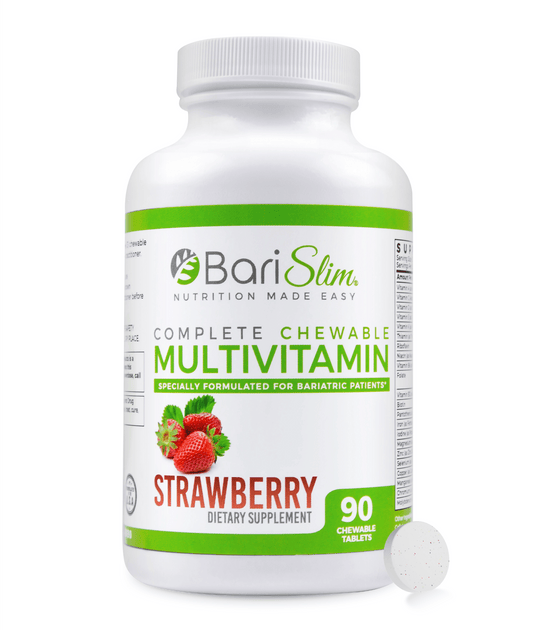
Keeping your routine simple with BariSlim's Calcium Citrate reduces guesswork and helps you stay consistent every day.
Common Mistakes with Calcium After Bariatric Surgery
Getting calcium intake right after bariatric surgery often takes some trial and adjustment. Small mistakes can reduce how well your body absorbs calcium, even if you’re taking the right amount.
Taking Too Much at Once
Calcium is best absorbed in smaller amounts. Taking a full daily dose at once can limit how much your body actually uses. Splitting it into 2–3 doses helps improve absorption and maintain more stable levels.
Choosing Less Absorbable Forms
Not all calcium supplements are designed for post-surgery needs. Forms like calcium carbonate rely on higher stomach acid, which may be reduced after surgery. This can make them less effective compared to options like calcium citrate.
Not Pairing with Vitamin D
Calcium absorption is closely linked to vitamin D. Without enough vitamin D, your body may not absorb calcium efficiently, even if your intake is consistent.
Inconsistent Intake
Skipping doses or taking calcium irregularly can make it harder to maintain stable levels over time. Since calcium balance is gradual, inconsistency can lead to gaps that build up without obvious signs early on.
Small adjustments in how you take calcium can make a meaningful difference. A simple, consistent routine helps ensure your body gets the support it needs over time.
FAQs
What type of calcium is best after bariatric surgery?
The best calcium after bariatric surgery is calcium citrate, as it is easier to absorb in low-acid conditions. It is commonly recommended for both gastric sleeve and gastric bypass patients to help maintain proper calcium levels and support long-term bone health.
How much calcium should I take after bariatric surgery?
Most bariatric patients are advised to take 1,200–1,500 mg of calcium per day, depending on individual needs. This is usually divided into 2–3 doses throughout the day to improve absorption and support consistent calcium levels.
Can I take calcium with other supplements after bariatric surgery?
Calcium can be taken with most supplements, but it should be spaced away from iron. Taking calcium and iron together may reduce absorption of both, so separating them by a few hours helps your body use each nutrient more effectively.
Do I need to take calcium for life after bariatric surgery?
Many patients require long-term calcium supplementation after bariatric surgery due to reduced absorption. Consistent intake helps maintain stable calcium levels and supports bone health over time, especially when combined with regular monitoring and a structured routine.
What helps calcium absorption after bariatric surgery?
Vitamin D plays a key role in calcium absorption after bariatric surgery. Taking calcium with adequate vitamin D, splitting doses throughout the day, and choosing calcium citrate can all help improve how well your body absorbs and uses calcium.