Order Free Sample


After bariatric surgery, your body undergoes significant changes that directly affect how nutrients are absorbed. Even with a well-balanced diet, it can be difficult to meet daily vitamin and mineral needs through food alone. Over time, this can lead to deficiencies that impact energy levels, bone health, and overall well-being.
Because of this, most patients require lifelong vitamin supplementation to help maintain proper nutrient levels and support overall health. While the procedure supports weight loss, it also reduces both food intake and nutrient absorption.
This is why choosing the best vitamins after bariatric surgery is not optional—it’s a key part of long-term care. The challenge is knowing what to take and how to choose supplements that are actually designed for post-surgery needs.
In this guide, we’ll break down the essential vitamins your body requires, what to look for in a high-quality bariatric multivitamin, and how to build a simple, effective routine.
Who This Guide Is For
This guide is designed for anyone navigating life before or after bariatric surgery.
Whether you’re just starting your research or already managing your post-surgery routine, understanding your vitamin needs is essential.
If you’ve had a gastric sleeve procedure, your stomach’s reduced size limits how much you can eat. This can make it difficult to get enough nutrients from meals alone, even if you’re making healthy food choices.
For those who have undergone gastric bypass, the situation is slightly different.
In addition to reduced food intake, parts of the digestive system are bypassed, which can further impact how nutrients are absorbed. This increases the importance of choosing the right supplements.
For individuals preparing for surgery, knowing what to expect ahead of time allows them to build better habits early and avoid confusion later.
Finally, if you’re already dealing with signs of deficiency—such as fatigue, hair thinning, or low energy—this guide can help you understand which nutrients may help support your recovery and overall well-being.
What Are the Best Vitamins After Bariatric Surgery?
The best vitamins after bariatric surgery are those that address the most common nutrient gaps caused by reduced intake and changes in absorption. A well-rounded supplement routine focuses on a few key nutrients that support overall health and recovery.
A bariatric multivitamin is typically the foundation.
These are specifically formulated to meet post-surgery needs and often include higher levels of essential vitamins compared to standard multivitamins. They help cover a wide range of nutrients in one convenient option.
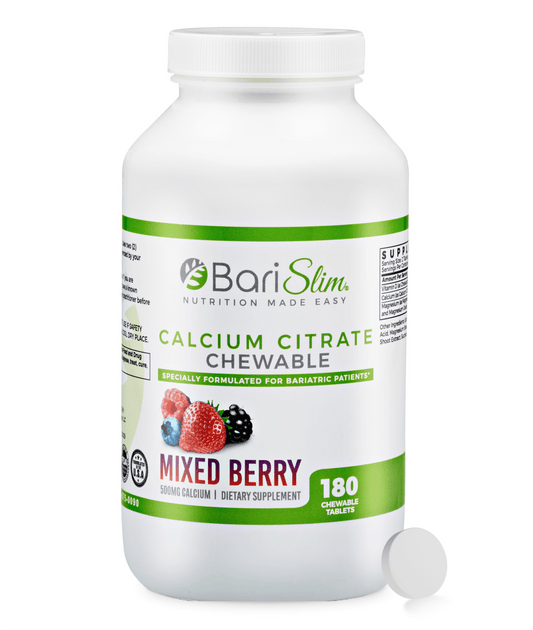
Calcium citrate is another important component, especially for maintaining bone health. After surgery, calcium absorption may be reduced, so choosing the right form is essential.
Vitamin D works closely with calcium and plays a role in supporting immune function and overall health. Many individuals may need additional vitamin D beyond what’s included in a multivitamin.
Iron is important for maintaining healthy blood levels and supporting energy. Some patients, especially those who have undergone gastric bypass, may need to monitor their iron intake more closely.
Vitamin B12 supports nerve function and energy production. Since absorption can be affected after surgery, supplementation is often necessary.
Together, these nutrients form the core of most bariatric vitamin routines and help support long-term health after surgery.
Recommended Bariatric Multivitamin
Designed specifically for post-surgery needs, a high-quality bariatric multivitamin helps support daily nutrient intake when food alone may not be enough.

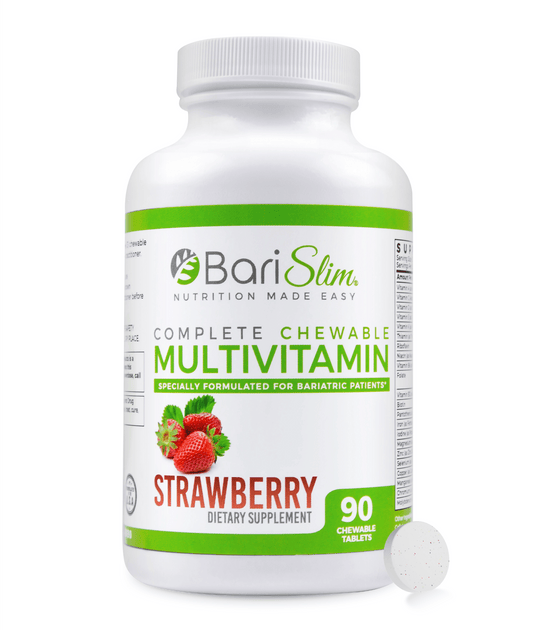
If you’re looking for a simple starting point, BariSlim Complete Multivitamin is designed specifically for post-surgery needs. It focuses on improved absorption and provides consistent daily coverage. This reduces the need for multiple separate supplements and makes it easier to stay on track long term.
Why Vitamins Are Required After Bariatric Surgery
After procedures like gastric sleeve or gastric bypass, your body processes food very differently. While these changes help support weight loss, they also affect how nutrients are absorbed.
Because of this, it becomes harder to meet your daily vitamin and mineral needs through food alone, making supplementation an important part of long-term care.
Reduced Nutrient Absorption After Surgery
After surgery, the stomach is smaller, and in some cases, parts of the digestive system are bypassed. This limits how much food you can eat and how well your body absorbs nutrients. Even with balanced meals, your body may not fully absorb essential vitamins and minerals.
Common Nutrient Gaps and Their Impact
Nutrients like iron, vitamin B12, calcium, and vitamin D are commonly affected after weight loss surgery. These nutrients help support energy, bone health, and overall body function. When levels are low, you may notice signs such as fatigue, weakness, or changes in hair and skin over time.
Why Ongoing Supplementation Is Important
Because these changes are long-term, supplementation is typically recommended as part of a daily routine. Bariatric vitamins are designed to match post-surgery needs and help maintain consistent nutrient intake.
These recommendations are not arbitrary. They align with guidance from the American Society for Metabolic and Bariatric Surgery (ASMBS), which outlines the importance of ongoing vitamin support after surgery. Their guidelines are widely used to help patients maintain long-term health following bariatric procedures.
What Happens If You Don’t Take Vitamins?
After weight loss surgery, your body relies heavily on supplementation to meet its daily nutrient needs. When vitamins are skipped or taken inconsistently, nutrient levels can slowly drop over time.
These changes are often gradual, which means symptoms may not appear right away—but they can build up if left unaddressed.
One of the more common signs is hair thinning or hair loss. This is often linked to low levels of nutrients like iron, zinc, or protein. While it can feel alarming, it’s usually a sign that your body isn’t getting what it needs consistently.
Fatigue is another frequent issue. When levels of iron, vitamin B12, or other key nutrients are low, it can affect how your body produces energy. You may feel more tired than usual, even with enough rest.
Bone health can also be affected over time. Without enough calcium and vitamin D, the body may struggle to maintain strong bones. This may increase the risk of bone-related issues in the long term if not supported properly.
The immune system can also become less effective. Vitamins like vitamin D, vitamin C, and others play a role in supporting normal immune function. When intake is low, your body may find it harder to respond to everyday stressors.
What’s important to understand is that these issues don’t usually happen overnight. They develop slowly, which is why it’s easy to overlook them at first.
What Vitamins Do Bariatric Patients Need?
After weight loss surgery, your vitamin routine becomes a key part of maintaining long-term health.
Because your body absorbs nutrients differently, focusing on the right combination of vitamins and minerals is great for daily function and reducing the risk of deficiencies. Most bariatric supplement plans are built around a few essential nutrients that work together.
Multivitamin
A bariatric multivitamin is the foundation of your routine. It’s designed to cover a wide range of essential nutrients in one formula, making it easier to stay consistent every day. Unlike standard multivitamins, bariatric-specific options are typically formulated with higher levels of key nutrients to match post-surgery needs.
Calcium (Calcium Citrate)
Calcium plays an important role in maintaining bone health after surgery. Since calcium absorption may be reduced, supplementation becomes necessary for most patients. The recommended intake is typically 1,200–1,500 mg per day, depending on individual needs.
Calcium citrate is the preferred form for bariatric patients because it is easier to absorb compared to other forms of calcium, especially when stomach acid levels are lower.
Vitamin D
Vitamin D works closely with calcium and plays a role in supporting bone health and immune function. Without enough vitamin D, your body may not absorb calcium effectively. Many bariatric patients require additional vitamin D beyond what’s included in a multivitamin.
Iron
Iron helps support energy levels and plays a role in maintaining healthy blood function. After weight loss surgery, especially gastric bypass, iron absorption may be reduced. This makes consistent supplementation important for avoiding low energy and related symptoms.
Vitamin B12
Vitamin B12 supports nerve and brain function and plays a role in energy production. Since absorption can be affected after surgery, many patients rely on supplements to maintain adequate levels. Regular intake helps support overall well-being as part of a balanced routine.
Best Vitamins After Bariatric Surgery
Choosing the right vitamins after bariatric surgery can make a meaningful difference in how you feel day to day and how well your body adapts over time.
Since nutrient absorption is reduced, the goal is to focus on supplements that are specifically designed for post-surgery needs.
What to Look for in a Bariatric Vitamin
Not all supplements are designed for post-surgery needs. Choosing the right bariatric vitamin comes down to a few key factors:
-
Absorption: Nutrients should be in forms that are easier to absorb after surgery
-
Higher nutrient levels: Bariatric formulas typically include higher doses to account for reduced absorption
-
Complete coverage: A good multivitamin should reduce the need for multiple separate supplements
-
Simplicity: The easier your routine is, the more likely you are to stay consistent
Focusing on these factors helps ensure your supplements actually support your long-term needs.
1. Best Overall Bariatric Multivitamin
Best for: Daily nutrient coverage
A high-quality bariatric multivitamin is the foundation of any supplement routine. It helps cover a wide range of essential nutrients in one formula, reducing the need for multiple separate supplements. This makes it easier to stay consistent, especially in the early stages after surgery.
What sets bariatric-specific formulas apart is their focus on absorption. They are typically designed with adjusted nutrient levels and forms that better match the needs of gastric sleeve and gastric bypass patients.
BariSlim’s complete bariatric multivitamin is formulated specifically for post-surgery absorption, with a nutrient profile designed to match bariatric needs. It simplifies daily supplementation and helps maintain consistency without requiring multiple separate products.
2. Best Calcium Supplement
Best for: Bone health and long-term support
Calcium citrate is widely recommended for bariatric patients because it is more easily absorbed than other forms. Consistent intake helps support bone health over time, especially when paired with adequate vitamin D levels.
Recommended Calcium Supplement
A bariatric-specific option like BariSlim Calcium Citrate is designed for better absorption in low-acid conditions, which is common after surgery. It supports consistent calcium intake and makes it easier to meet daily requirements without overcomplicating your routine.

3. Best Iron Supplement
Best for: Maintaining healthy iron levels
Iron plays a key role in supporting energy and overall function. Choosing a gentle, well-absorbed form can help maintain consistency while reducing the likelihood of discomfort.
4. Best All-in-One System
Best for: Simplicity and consistency
For those who prefer a simplified routine, an all-in-one system can help reduce the number of supplements needed daily. This approach can make it easier to stay on track, especially for long-term adherence.
Bariatric Vitamin Requirements
After bariatric surgery, vitamin intake is not left to guesswork. Most recommendations are based on established bariatric nutrition guidelines, including those from the American Society for Metabolic and Bariatric Surgery (ASMBS).
While individual needs may vary based on lab results and procedure type, the following ranges are commonly recommended to help maintain adequate nutrient levels:
-
Multivitamin: Daily (bariatric-specific formula)
-
Calcium (citrate): 1,200–1,500 mg per day (split into 2–3 doses)
-
Vitamin D: ~3,000 IU per day (adjusted based on blood levels)
-
Iron: 18–45 mg per day (higher for menstruating patients or those at risk of deficiency)
-
Vitamin B12: 350–500 mcg per day (oral or sublingual forms commonly used)
These ranges are designed to account for reduced absorption after procedures like gastric sleeve and gastric bypass. Following a consistent routine within these recommended levels helps support long-term health and reduces the risk of deficiencies over time.
For best results, these guidelines should be reviewed alongside routine lab work to ensure your supplementation is aligned with your individual needs.
Chewable vs Capsule Vitamins
After bariatric surgery, chewable vitamins are often recommended in the early stages. They are easier to take, especially when your stomach is still healing, and they are better tolerated during the initial recovery period.
Chewables also don’t rely as heavily on digestion, which can be helpful when your body is still adjusting.
As time goes on, many patients choose to transition to capsules or tablets. Capsules can be more convenient and may offer a wider range of options, especially for long-term use. Some people also prefer them for taste and simplicity.
However, the most important factor is consistency. Whether you choose chewables or capsules, sticking to a daily routine helps maintain stable nutrient levels and supports long-term health after surgery.
Your Daily Bariatric Vitamin Routine
A simple routine makes it easier to stay consistent and avoid missed doses.
Morning – Multivitamin
Midday – Calcium
Evening – Calcium + Iron (if needed, taken separately from calcium)
Spacing supplements throughout the day helps improve absorption. It’s also important to avoid taking calcium and iron together, as they can interfere with each other.
Build a Simple Daily Routine
A clear, consistent vitamin routine can make a big difference after bariatric surgery. Instead of trying to manage multiple supplements separately, having a structured approach helps reduce confusion and makes it easier to stay on track every day.
A typical bariatric routine includes a multivitamin for overall nutrient coverage, calcium to support bone health, and iron if needed based on your individual requirements.
Keeping these essentials in one place—whether physically or as part of a bundled system—can simplify your daily habits.
When your routine is easy to follow, you’re more likely to stay consistent over time. This is especially important because nutrient levels can change gradually, and regular intake helps maintain balance.
Common Mistakes Bariatric Patients Make
Staying consistent with vitamins can take time, especially after surgery when your routine is still evolving.
It’s normal to need a bit of adjustment in the beginning, but understanding common mistakes can help you stay on track and avoid long-term issues.
Inconsistent Supplementation
One of the most common challenges is inconsistent supplementation. Skipping days or forgetting doses can make it harder to maintain stable nutrient levels. Since deficiencies develop gradually, it’s easy to overlook the impact of missed vitamins at first.
Not Choosing Bariatric-Specific Formulas
Another frequent issue is choosing standard multivitamins instead of bariatric-specific formulas. While regular vitamins may seem similar, they are often not designed to meet the higher or more targeted needs of bariatric patients. This can lead to gaps in key nutrients over time.
Taking Iron and Calcium Together
Spacing also matters. Some supplements, like calcium and iron, should not be taken together because they can interfere with each other’s absorption. Without proper timing, your body may not fully benefit from the vitamins you’re taking.
Incorrect Dosage
Dosage is another factor that’s often overlooked. Even when taking the right vitamins, incorrect amounts may not provide adequate support. Following recommended guidelines helps ensure your routine is aligned with your needs.
The good news is that these challenges are manageable. Building a simple, easy-to-follow routine makes it much easier to stay consistent and support your long-term health.
Frequently Asked Questions
Do I need to take vitamins for life after bariatric surgery?
Most patients are advised to take vitamins long-term to help maintain proper nutrient levels after surgery. Since absorption is reduced, ongoing support is typically recommended.
Can I take regular multivitamins instead of bariatric vitamins?
Standard multivitamins are often not formulated to meet the unique needs of bariatric patients. Bariatric-specific options are designed with these differences in mind.
What happens if I miss a day of vitamins?
Missing a day occasionally is not uncommon. What matters most is maintaining consistency over time rather than focusing on a single missed dose.
How do I know if I’m taking the right vitamins?
Following recommended guidelines and reviewing lab work with your healthcare provider can help ensure your routine is aligned with your needs.
What’s the easiest way to stay consistent with vitamins?
Using a simple routine or a complete bariatric vitamin system can make daily consistency easier and more manageable.
Build Your Daily Bariatric Vitamin Routine
Building a consistent routine with the right bariatric vitamins makes it easier to maintain nutrient levels and stay on track with your health goals.
Choosing a bariatric formula designed specifically for your needs can simplify your routine and remove guesswork. When your supplements are tailored to post-surgery requirements, it becomes easier to stay consistent over time.