Order Free Sample


After bariatric surgery, your body no longer absorbs nutrients the way it used to.
This creates a real problem. Even if you are eating carefully, your body may still miss essential nutrients. Many patients start to feel fatigue, notice hair thinning, or struggle with low energy within months, often without knowing why.
What makes this harder is that these issues do not show up all at once. They build slowly. By the time symptoms become noticeable, your body may already be running low on key nutrients like iron, vitamin B12, calcium, and protein.
This is where most people get caught off guard.
The good news is that these common nutrient deficiencies after bariatric surgery can be understood and managed early.
In this guide, you will learn the most common deficiencies, the early signs to watch for, and how to build a simple routine that helps you stay on track every day.
Quick Summary
- After bariatric surgery, your body absorbs fewer nutrients, which increases the risk of deficiencies over time.
- Iron, vitamin B12, calcium, vitamin D, folate, and protein are the most common deficiencies
- Symptoms like fatigue, hair thinning, and low energy often develop gradually
- Reduced intake and lower absorption make food alone insufficient for most patients
- Consistent supplementation helps prevent long term nutrient gaps
Who This Guide Is For
This guide is designed for anyone navigating nutrient intake before or after weight loss surgery, including:
-
Gastric sleeve patients adjusting to reduced food intake and changing nutrition needs
-
Gastric bypass patients managing both reduced intake and lower nutrient absorption
- Patients experiencing symptoms like fatigue, hair loss, or low energy and looking for possible causes
- Anyone who wants to prevent deficiencies and build a consistent supplement routine early
Whether you are in the early stages of recovery or focusing on long term health, this guide helps you understand what to watch for and how to stay consistent.
What Are the Most Common Nutrient Deficiencies After Bariatric Surgery?
After surgery, your body processes and absorbs nutrients differently. Because of this, certain deficiencies are more common and tend to show up over time if intake is not consistent.
Understanding these nutrients helps you stay ahead of potential issues and build a routine that supports your health long term.
Iron
Iron is one of the most common deficiencies after bariatric surgery. It plays a key role in carrying oxygen throughout your body and supporting energy levels.
After surgery, iron intake often drops due to smaller portion sizes. At the same time, absorption may decrease, especially in gastric bypass patients. Over time, this can lead to low energy, fatigue, and reduced stamina.
Because symptoms can develop gradually, many patients do not notice the change right away. This makes consistent intake and monitoring especially important.
Vitamin B12
Vitamin B12 supports nerve function and energy production. It also plays a role in red blood cell formation.
After weight loss surgery, your body may struggle to absorb B12 properly because it depends on stomach factors that are reduced after surgery. Even if you are consuming enough, your body may not be using it efficiently.
Low B12 levels can lead to fatigue, brain fog, and difficulty concentrating. In some cases, patients may also notice tingling sensations or changes in mood.
Calcium
Calcium is essential for maintaining strong bones and supporting muscle function. It also plays a role in nerve signaling and heart function.
After surgery, calcium absorption decreases due to lower stomach acid and changes in digestion. This means your body may not absorb enough calcium from food alone.
Over time, low calcium intake can affect bone strength. Because your body prioritizes blood calcium levels, it may pull calcium from your bones if intake is not consistent.
Vitamin D
Vitamin D works closely with calcium and helps your body absorb it effectively. It also supports immune function and overall health.
Many patients already have low vitamin D levels before surgery, and absorption may become more limited afterward. Without enough vitamin D, even adequate calcium intake may not be fully utilized by your body.
Low levels can contribute to fatigue and may affect how your body maintains bone health over time.
Folate
Folate is a B vitamin that supports cell growth and overall nutrient balance. It plays a role in red blood cell production and helps maintain normal body function.
After surgery, reduced intake and changes in digestion can make it harder to maintain proper folate levels. Low folate levels may contribute to fatigue and general weakness, especially when combined with other deficiencies.
Protein
Protein is not a vitamin or mineral, but it is one of the most important nutrients after bariatric surgery. It supports muscle maintenance, recovery, and overall body function.
Low protein intake can lead to muscle loss, weakness, and slower recovery. It may also affect energy levels and make it harder to maintain long term results.
These deficiencies do not usually appear all at once. They develop slowly, often without clear warning signs in the beginning.
That is why awareness matters. When you understand which nutrients are most at risk, it becomes much easier to stay consistent, adjust your routine, and support your body as it adapts after surgery.
Stay Consistent With Bariatric Vitamins
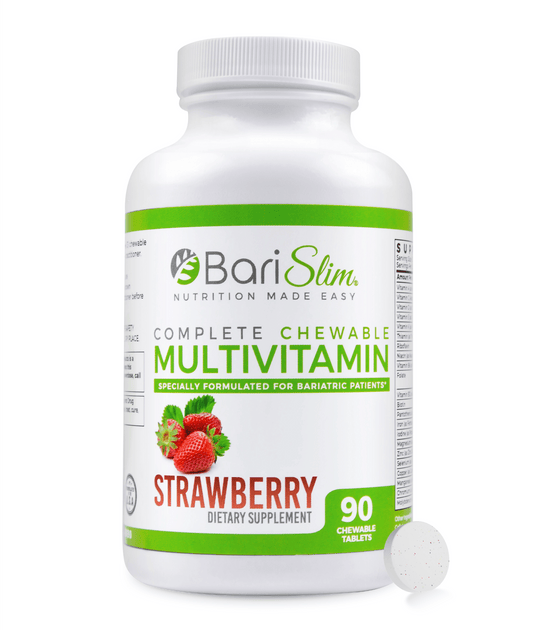
After surgery, consistency matters more than perfection. A well designed multivitamin helps support your daily nutrient intake and reduces the risk of common deficiencies over time.
BariSlim Bariatric Multivitamins are built specifically for post surgery needs, focusing on absorption, proper nutrient levels, and ease of use.
- Supports daily nutrient intake with bariatric specific formulations
- Designed for reduced absorption after gastric sleeve and gastric bypass
- Helps maintain long term health with consistent use
Why Nutrient Deficiencies Are Common After Bariatric Surgery
After bariatric surgery, your body goes through fundamental changes that directly affect how nutrients are absorbed and used. This is not just about eating less. It is about how your entire digestive system now works.
Reduced Nutrient Absorption
One of the biggest changes is how your body absorbs nutrients. In procedures like gastric bypass, parts of the small intestine are bypassed. These are the areas where many vitamins and minerals are normally absorbed.
Even in gastric sleeve surgery, where the intestine is not bypassed, reduced stomach size still affects how nutrients are broken down and prepared for absorption. Over time, this can limit how much your body actually takes in from food.
Lower Food Intake
After surgery, portion sizes are significantly smaller. While this supports weight loss, it also means you are consuming fewer nutrients overall.
Even with balanced meals, it can be difficult to meet daily requirements for nutrients like iron, calcium, and protein. This creates a gap between what your body needs and what it actually receives.
Changes in Digestion
Your stomach plays an important role in breaking down food and supporting nutrient absorption. After surgery, stomach acid levels may be lower, and food moves through the digestive system differently.
Some nutrients, like vitamin B12 and calcium, rely on these processes to be properly absorbed. When digestion changes, their absorption becomes less efficient.
Increased Risk Over Time
Nutrient deficiencies do not usually happen immediately. They develop gradually as small gaps build up over time.
This is what makes them easy to miss in the beginning. You may feel fine for months, but without consistent intake, your nutrient levels can slowly decline.
Why Supplementation Becomes Essential
Because of these combined changes, relying on food alone is often not enough. Supplementation helps bridge the gap between what your body needs and what it can absorb.
This is why a structured routine is important. It ensures your body receives consistent nutrient support every day, rather than trying to compensate later.
Aligned With Bariatric Guidelines
These patterns are well recognized in bariatric care. Organizations like the American Society for Metabolic and Bariatric Surgery emphasize the importance of ongoing supplementation and monitoring after surgery.
The goal is not just short term recovery, but long term nutritional stability. A consistent routine helps support that by reducing the risk of deficiencies before they become harder to manage.
Signs of Nutrient Deficiencies
Nutrient deficiencies after bariatric surgery rarely appear all at once. In most cases, they develop slowly and can be easy to overlook in the beginning.
Understanding these early signs helps you recognize when something may be off and adjust your routine before the issue becomes more noticeable.
Fatigue and Low Energy
Fatigue is often one of the first signs. You may feel tired even after getting enough rest or notice that your energy drops earlier in the day.
This is commonly linked to low levels of nutrients like iron, vitamin B12, or protein. Because these nutrients support energy production and oxygen flow in the body, even small gaps can affect how you feel over time.
Hair Thinning
Hair thinning is another common concern, especially in the months following surgery. While some hair changes are expected during weight loss, ongoing thinning may point to low intake of protein, iron, or certain vitamins.
This usually does not happen suddenly. Instead, it becomes noticeable over weeks or months as your body adjusts and prioritizes essential functions over hair growth.
Weakness and Reduced Strength
You may start to feel weaker or notice that physical tasks require more effort than before. This can be linked to low protein intake or other nutrient gaps that affect muscle maintenance.
Over time, reduced strength can impact your ability to stay active, which is an important part of recovery and long term health.
Brain Fog and Difficulty Focusing
Some patients experience brain fog, which may feel like difficulty concentrating, slower thinking, or reduced mental clarity.
This can be associated with deficiencies in nutrients like vitamin B12 or iron, both of which play a role in supporting normal brain function.
Bone Discomfort
Bone discomfort or general aches can sometimes develop when calcium and vitamin D intake is low. Since these nutrients support bone health, inconsistent intake over time may affect how your body maintains bone strength.
This is often subtle in the early stages and may not feel serious at first, but it is important to address early.
Gradual Onset Makes It Easy to Miss
One of the biggest challenges is that these symptoms build gradually. They may feel mild or easy to ignore at first, especially when you are focused on recovery or weight loss progress.
Because of this, patients should monitor their symptoms and stay consistent with supplementation.
Common Nutrient Deficiencies After Bariatric Surgery
The table below highlights common nutrient deficiencies after bariatric surgery and why your body needs them.
| Nutrient | Why It Matters | Common Symptoms |
|---|---|---|
| Iron | Supports energy and oxygen transport | Fatigue, weakness |
| Vitamin B12 | Supports nerve function and energy | Brain fog, fatigue |
| Calcium | Supports bone health and strength | Bone weakness, discomfort |
| Vitamin D | Helps with calcium absorption and immune support | Low energy, general fatigue |
| Protein | Supports muscle maintenance and recovery | Muscle loss, weakness |
Iron Deficiency
Iron is one of the most common nutrient deficiencies after bariatric surgery due to reduced intake and lower absorption. It plays a key role in carrying oxygen through the body, so low levels can affect energy and overall stamina.
Over time, low iron levels may lead to fatigue, weakness, and reduced physical performance, especially if intake is inconsistent.
Iron levels are commonly monitored after surgery, and maintaining proper intake is an important part of a balanced routine.
Vitamin B12 Deficiency
Vitamin B12 supports nerve function, brain health, and energy production. After bariatric surgery, your body may struggle to absorb B12 efficiently due to changes in stomach function.
Low levels can lead to fatigue, brain fog, and difficulty concentrating, which can affect your daily routine over time.
Calcium Deficiency
Calcium is essential for maintaining bone strength and supporting muscle and nerve function. After surgery, reduced stomach acid can make calcium harder to absorb.
If intake is not consistent, your body may not maintain proper levels, which can impact bone health over time.
Recommended Calcium Support

If you’re looking for a bariatric calcium supplement that aligns with post-surgery needs, BariSlim Calcium Citrate is designed with both absorption and consistency in mind.
- Calcium citrate bariatric formula for improved absorption in low-acid conditions
- Designed to support daily calcium intake after gastric sleeve and gastric bypass
- Chewable format that makes it easier to stay consistent day to day
Used alongside a multivitamin and other key nutrients, it helps complete a routine that supports long term health rather than addressing just one gap.
Vitamin D Deficiency
Vitamin D plays a key role in helping your body absorb calcium and supports overall immune function. Many patients already have low levels before surgery, which can become more noticeable afterward.
Without enough vitamin D, your body may not use calcium effectively, which can impact energy and long term bone health.
Protein Deficiency
Protein is essential for muscle maintenance, recovery, and overall body function. After bariatric surgery, reduced appetite and smaller portions can make it difficult to meet daily protein needs.
Low protein intake can lead to muscle loss, weakness, and slower recovery, especially in the early stages.
Protein Support

BariSlim's High Protein Shake can help you stay consistent, especially on days when appetite is low or meal prep feels difficult.
-
High-quality protein to support muscle maintenance and recovery
-
Easy to digest for post-surgery tolerance
-
Low sugar and balanced formula for daily use
- Convenient meal option when food intake is limited
Folate Deficiency
Folate supports cell growth and maintains overall nutrient balance. It is often included in multivitamins, but levels can still drop if supplementation is inconsistent.
Low folate levels may contribute to fatigue and general weakness, especially when combined with other deficiencies.
Most Common Deficiencies by Surgery Type
The type of bariatric surgery you have can influence which nutrient deficiencies are more likely to occur. While all patients need consistent supplementation, some risks are higher depending on how your digestive system has changed.
Gastric Sleeve
With gastric sleeve, the stomach size is reduced but the intestines are not bypassed. This means absorption is still somewhat intact, but intake is significantly lower.
Common deficiencies include:
- Protein due to reduced food intake
- Iron due to smaller portions and lower intake
- Vitamin B12 due to changes in stomach function
- Vitamin D and calcium due to lower intake over time
The focus here is on meeting daily intake consistently, since absorption is less affected than in bypass procedures.
Gastric Bypass
With gastric bypass, both intake and absorption are reduced. Parts of the small intestine are bypassed, which directly affects how nutrients are absorbed.
Common deficiencies include:
- Iron due to reduced absorption and intake
- Vitamin B12 due to changes in digestion and absorption
- Calcium due to bypassed absorption areas and lower stomach acid
- Vitamin D due to reduced absorption
- Protein due to both lower intake and absorption challenges
Because absorption is more limited, gastric bypass patients often require more structured supplementation and closer monitoring over time.
How to Prevent Nutrient Deficiencies
Preventing nutrient deficiencies after bariatric surgery comes down to one key factor: consistency. Your body now relies on regular, structured intake rather than occasional corrections.
Take Bariatric Specific Supplements
Standard supplements are not designed for reduced absorption. Bariatric specific formulas are built with higher nutrient levels and forms that your body can use more effectively after surgery.
Choosing the right supplements makes it easier to meet your daily needs without relying on food alone.
Follow a Structured Routine
A clear daily routine helps remove confusion and reduces missed doses. When you know what to take and when to take it, supplementation becomes a habit rather than a task.
Spacing nutrients properly also supports better absorption and makes your routine more effective.
Monitor Your Intake
Staying aware of what you are taking each day helps you stay consistent over time. This does not need to be complicated. A simple routine or checklist can help ensure you are not missing key nutrients.
Schedule Regular Check Ups
Routine lab work helps identify any gaps early. Since deficiencies develop gradually, regular monitoring allows you to adjust your intake before symptoms become more noticeable.
How to Build a Daily Supplement Routine
Building a daily supplement routine does not need to be complicated. The goal is to create a simple system that fits into your day and supports consistent intake.
Start with the essentials. Most routines include a multivitamin, calcium, protein support, and additional nutrients like iron or vitamin B12 based on your needs.
Next, focus on timing. Spread your supplements throughout the day to support better absorption. For example, take your multivitamin in the morning, calcium in split doses, and iron separately if needed.
Tie your supplements to your daily habits. Taking them at the same time each day or pairing them with meals makes it easier to stay consistent without thinking about it.
Keep your routine simple. The easier it is to follow, the more likely you are to stay consistent over time and avoid nutrient gaps.
Common Mistakes That Lead to Deficiencies
Even with the right information, small mistakes in your routine can make it harder to maintain proper nutrient levels after bariatric surgery. Most deficiencies do not happen suddenly. They build over time due to inconsistent habits.
Skipping Supplements
Missing doses occasionally may not seem like a big deal, but over time it creates gaps in your daily intake. Since your body relies on consistent supplementation, even small inconsistencies can add up and affect how you feel.
Using Non Bariatric Formulas
Standard supplements are not designed for reduced absorption. They often contain lower nutrient levels or forms that are harder for your body to use after surgery.
This can make it difficult to meet your actual needs, even if you are taking them regularly.
Not Following a Routine
Without a clear schedule, it is easy to forget doses or take supplements at the wrong time. Some nutrients need to be spaced out to support proper absorption, so timing matters.
A simple routine helps remove guesswork and makes consistency easier.
Ignoring Early Symptoms
Symptoms like fatigue, hair thinning, or low energy are often easy to dismiss in the beginning. However, these can be early signs of nutrient gaps.
Paying attention to these changes allows you to adjust your routine before the issue becomes more noticeable.
Frequently Asked Questions
What are the most common deficiencies after bariatric surgery?
The most common nutrient deficiencies after bariatric surgery include iron, vitamin B12, calcium, vitamin D, and protein. These nutrients are affected due to reduced intake and changes in absorption, making consistent supplementation important for maintaining energy and overall health.
How can I prevent deficiencies after bariatric surgery?
Preventing deficiencies comes down to consistency. Taking bariatric specific supplements, following a structured routine, and monitoring your intake regularly can help support your body’s nutrient needs and reduce the risk of long term gaps.
Do deficiencies happen right away after surgery?
Nutrient deficiencies usually develop gradually rather than immediately. In the early stages, symptoms may be mild or not noticeable, which is why consistent supplementation and regular monitoring are important from the start.
How do I know if I have a nutrient deficiency?
Common signs include fatigue, hair thinning, weakness, and low energy. However, lab tests are the most reliable way to identify deficiencies early and adjust your routine based on your body’s needs.
What’s the best way to stay consistent with supplements?
The easiest way to stay consistent is to follow a simple daily routine. Taking supplements at the same time each day or using a structured system can help turn supplementation into a habit that is easy to maintain.
Support Your Nutritional Needs After Surgery
Instead of guessing what to take or adjusting as you go, build a simple, structured system using the right supplements designed for bariatric needs. This helps you stay consistent, support your energy, and avoid deficiencies before they build up.
Start with the essentials, follow a clear schedule, and make your routine easy to maintain. The sooner you set up a system that works, the easier it becomes to stay on track long term.