Order Free Sample


Nausea is one of the most common side effects experienced by people using GLP-1 medications like Ozempic or Wegovy. You may feel queasy after eating, sensitive to certain foods, or uncomfortable throughout the day, even when your routine seems normal.
This can feel frustrating, especially when you are trying to stay consistent with your health goals. Changes in appetite, digestion, and eating patterns can make your body respond differently to food, leading to ongoing discomfort.
The good news is that nausea on GLP-1 medications is usually temporary and improves as your body adjusts. With a few simple changes to your daily routine, you can help support digestion and reduce discomfort over time.
This guide explains why nausea on GLP-1 medications happens, what triggers it, and how to build a simple routine that helps you stay consistent and feel more stable each day.
Quick Summary
- Nausea on GLP-1 medications is common and often temporary
- It is usually caused by slower digestion and changes in appetite
- Common triggers include eating too quickly, large portions, and dehydration
- Simple habits like smaller meals and consistent hydration help reduce symptoms
- Most people see improvement as their body adjusts over time
Who This Guide Is For
This guide is designed for:
- Ozempic users
- Wegovy users
- Semaglutide users
- Anyone experiencing nausea or digestive discomfort
Is Nausea Common on GLP-1 Medications?
Yes, nausea is one of the most frequently reported side effects of GLP-1 medications.
While not everyone experiences it, many people notice some level of nausea, especially during the early stages or after dose changes.
This typically happens because:
- Digestion slows down: Food stays in the stomach longer, which can create a heavy or uncomfortable feeling
- Appetite changes: You may feel full more quickly or less interested in food
- Eating patterns shift: Smaller or irregular meals can affect how your body responds to food
These changes are part of how GLP-1 medications work, and for many people, symptoms improve as the body adjusts over time.
Support Your Daily Routine

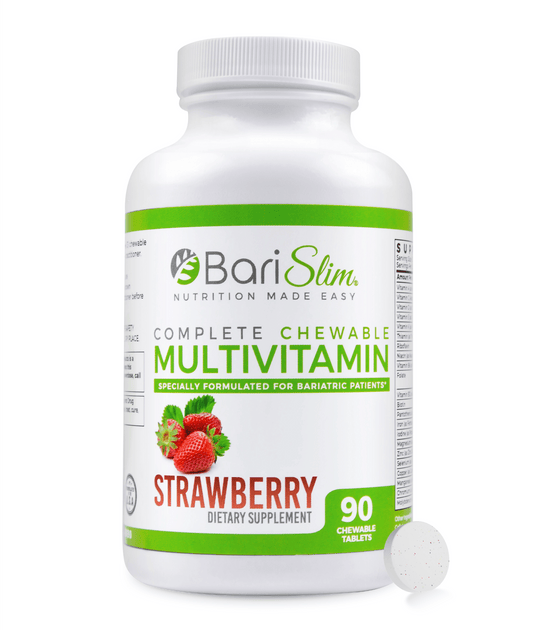
A high-quality multivitamin can help support your daily nutrient intake while on GLP-1 medications.
- Supports nutrient intake even when eating less
- Helps maintain consistency on low appetite days
- Easier to take than relying on full meals
- Fits into a simple, repeatable routine
Why Does GLP-1 Cause Nausea?
GLP-1 medications affect how your digestive system and appetite signals work together. These changes help support weight management, but they can also lead to temporary nausea as your body adjusts.
One of the main effects is slower digestion. Food stays in your stomach longer than usual, which can create a heavy or uncomfortable feeling, especially after eating.
At the same time, your appetite decreases. You may feel full much more quickly, even with small portions. This can make it harder to judge how much food your body can comfortably handle.
These combined changes can lead to:
- Feeling full quickly: Small meals may feel like too much, leading to discomfort
- Delayed stomach emptying: Food remains in the stomach longer, which can contribute to a lingering queasy feeling
- Increased sensitivity to food: Certain foods may feel harder to tolerate than before
Nausea on GLP-1 medications is not usually caused by a single factor. It is the result of your body adjusting to a new digestive rhythm. As your routine becomes more consistent, many people notice that these symptoms gradually improve.
Common Triggers of Nausea on GLP-1
Nausea on GLP-1 medications is often influenced by daily habits. Small changes in how you eat, what you eat, and how consistent your routine is can make a noticeable difference in how you feel.
Eating Too Quickly
Eating too fast does not give your body enough time to process fullness signals. Since GLP-1 medications slow digestion, food already stays in your stomach longer than usual.
When you eat quickly, it is easier to go beyond what your body can comfortably handle before you realize you are full. This can lead to a heavy, uncomfortable feeling and increase nausea shortly after eating.
Slowing down your meals allows your body to adjust and reduces the chance of overloading your digestion.
Eating Too Much
Portion sizes that worked before starting GLP-1 medications may now feel excessive. Your appetite is lower, and your body processes food more slowly.
Larger meals can sit in your stomach for longer periods, creating pressure and discomfort. This often leads to a lingering nauseous feeling that can last for hours.
Smaller, more manageable portions are easier to tolerate and help maintain a more stable digestive experience.
Certain Foods
Some foods are naturally harder to digest, especially when digestion is already slowed. High-fat, greasy, or heavily processed foods tend to stay in the stomach longer and can worsen nausea.
Spicy or overly rich meals may also increase sensitivity and make discomfort more noticeable.
On GLP-1 medications, many people find that lighter, simpler foods are easier to tolerate, especially during periods of nausea.
Dehydration
Hydration plays an important role in how your digestive system functions. GLP-1 medications can reduce both appetite and thirst, making it easier to fall behind on fluid intake without realizing it.
Even mild dehydration can increase feelings of nausea and make digestion feel slower or heavier. It can also affect how your body responds to food throughout the day.
Maintaining consistent fluid intake helps support balance and can reduce the intensity of nausea over time.
How to Help Reduce Nausea on GLP-1 Medications
Nausea on GLP-1 medications can often be improved with simple, consistent adjustments to your daily habits. The goal is to support your digestion rather than overwhelm it.
Eat Slowly
Eating slowly gives your body time to process fullness signals. Since digestion is already slower, rushing meals can lead to discomfort.
Take smaller bites, chew thoroughly, and pause between bites. This helps prevent overeating and reduces pressure on your stomach.
Keep Portions Small
Your appetite is lower on GLP-1 medications, and your body handles food differently. Large portions can feel heavy and increase nausea.
Smaller, more frequent meals are often easier to tolerate and help maintain a more stable digestive rhythm throughout the day.
Stay Hydrated
Hydration supports overall digestion and helps reduce feelings of nausea. Low fluid intake can make symptoms more noticeable.
Sip water consistently throughout the day rather than drinking large amounts at once. This approach is easier on your stomach and helps maintain balance.
Follow a Consistent Routine
Your body adapts better when your daily habits are predictable. Eating, hydrating, and resting at similar times each day helps stabilize digestion.
A simple routine reduces variability and makes it easier for your body to adjust to changes caused by GLP-1 medications.
Identify Trigger Foods
Some foods may feel harder to tolerate than others. Paying attention to how your body responds can help you avoid unnecessary discomfort.
Foods that are heavy, greasy, or overly rich may increase nausea, while lighter options are often easier to manage.
Over time, understanding your personal triggers helps you build a routine that works best for your body.
Simple Daily Routine to Help Reduce Nausea
A simple structure can make your day feel more stable and reduce digestive discomfort without relying on appetite alone. Here is a simple example of how your day can be structured to reduce nausea:
| Time | Focus |
|---|---|
| Morning | Light meal and hydration |
| Midday | Electrolytes and small portion meal |
| Afternoon | Light snack and hydration |
| Evening | Smaller meal and routine consistency |
This type of structure helps reduce variability and supports a more predictable digestive pattern throughout the day.
Best Foods to Eat When Experiencing Nausea on GLP-1
When nausea is present, the type of food you choose can make a noticeable difference. Simple, easy to digest options are usually better tolerated while your body adjusts.
Foods that may feel easier to tolerate include:
- Light, soft foods such as yogurt or oatmeal
- Plain carbohydrates like rice or toast
- Simple protein sources in small portions
- Warm broths or soups
Foods to limit during periods of nausea include:
- High fat or greasy meals
- Very spicy foods
- Heavily processed or rich foods
Choosing lighter meals and keeping portions small helps reduce pressure on your digestive system and may help improve comfort.
What to Expect Over Time
Nausea on GLP-1 medications usually follows a gradual pattern rather than staying constant. For many people, it is most noticeable during the early stages or after changes in dosage.
As your body adapts to slower digestion and changes in appetite, symptoms often become less frequent and easier to manage.
Improvement typically happens as:
- Your body adjusts: Your digestive system begins to adapt to slower gastric emptying and new appetite signals
- Your routine stabilizes: Consistent eating, hydration, and daily habits reduce variability in how your body responds
- You learn what works best: Identifying portion sizes, food types, and timing that suit your body helps minimize discomfort
Progress is usually steady rather than immediate. Small, consistent habits often lead to noticeable improvement over time.
Common Mistakes That Can Make Nausea Worse
Nausea can become more persistent when daily habits are inconsistent or not aligned with how GLP-1 medications affect digestion.
- Eating too quickly: Rushing meals makes it easier to exceed what your body can comfortably process, leading to discomfort shortly after eating
- Overeating: Larger portions can feel heavy and remain in the stomach longer, increasing the likelihood of nausea
- Not staying hydrated: Low fluid intake can intensify nausea and make digestion feel slower and less stable
- Inconsistent routine: Irregular meal timing and habits can disrupt your body’s ability to adapt, making symptoms less predictable
- Ignoring early signals: Continuing to eat after feeling full or pushing through discomfort can make nausea more noticeable and longer lasting
Addressing these habits early helps prevent mild discomfort from becoming a more consistent issue.
When to Pay Attention
While nausea is a common and often temporary part of adjusting to GLP-1 medications, there are situations where it may require closer attention.
If nausea becomes persistent, more intense, or starts to interfere with your ability to maintain regular intake and hydration, it may be helpful to reassess your routine.
Pay closer attention if you notice:
- Nausea that does not improve over time
- Difficulty maintaining consistent food or fluid intake
- Ongoing discomfort that affects your daily routine
In these cases, making adjustments to your habits or seeking guidance can help restore balance and improve overall comfort.
Frequently Asked Questions
Is nausea common on GLP-1 medications?
Yes, nausea on GLP-1 medications is one of the most commonly reported side effects. Many people experience it, especially during the early stages or after dose changes. While not everyone is affected, it is a normal part of how these medications influence digestion and appetite.
Why does GLP-1 cause nausea?
GLP-1 medications slow digestion and change how your body responds to food. This can lead to delayed stomach emptying, early fullness, and increased sensitivity to certain foods. These combined effects can create a temporary feeling of nausea as your body adjusts.
How can I reduce nausea on GLP-1 medications?
You can help reduce nausea by eating slowly, keeping portions small, staying hydrated, and following a consistent daily routine. Avoiding heavy or trigger foods and paying attention to how your body responds can also help improve comfort over time.
How long does nausea from GLP-1 medications last?
Nausea is usually temporary and often improves as your body adapts to the medication. For many people, symptoms become less noticeable within a few weeks to a couple of months, especially when supported by consistent eating, hydration, and daily habits.
What’s the easiest way to stay consistent?
The easiest way to stay consistent is to keep your routine simple and repeatable. Eating at regular times, drinking water throughout the day, and following small daily habits makes it easier to support digestion without overthinking or relying on motivation.
Support Your Daily Routine
Nausea while using GLP-1 medications can feel frustrating, but it’s often part of the adjustment process.
Using a complete GLP-1 support approach makes it easier to follow your routine every day, reduce nausea, and maintain long-term consistency.