Order Free Sample


After bariatric surgery, many people feel unsure about what they should eat next. You may be told to eat less, focus on protein, and stay hydrated, but without a clear plan, it can quickly feel confusing. Small mistakes in nutrition can negatively affect your energy, digestion, and overall progress, including issues like fatigue and constipation.
This uncertainty often leads to frustration. You might wonder if you are eating the right foods or getting enough nutrients to support your body.
The good news is that a simple, structured approach to nutrition can make everything easier. With the right guidance, you can build habits that support your recovery and help you stay consistent long term.
Quick Summary
- Bariatric nutrition focuses on smaller portions, higher protein intake, and balanced nutrients
- Most patients follow structured diet stages from liquids to solid foods
- Protein, hydration, and consistency are key to recovery and long-term success
- Nutrient deficiencies can develop due to reduced intake and absorption
- A simple daily routine helps maintain steady nutrition and energy levels
- Supplements support nutrient intake when food alone is not enough
Who Can Benefit from This Guide
This guide is designed for:
- Gastric sleeve patients
- Gastric bypass patients
- Patients preparing for surgery
- Anyone looking to improve their nutrition after surgery
What is Bariatric Nutrition?
Bariatric nutrition is a structured eating approach designed to support recovery, nutrient intake, and long-term health after weight loss surgery. Because your stomach size and digestion have changed, your body now requires a different balance of food, nutrients, and timing. Instead of large meals, you rely on smaller portions that are easier to tolerate. This helps prevent discomfort while allowing your body to process food more effectively throughout the day.
- Protein becomes a priority because it supports muscle maintenance and overall recovery. Since you are eating less, every meal needs to provide enough value to meet your daily needs without overloading your system.
- Nutrient balance is also important. Your body absorbs fewer vitamins and minerals after surgery, which means food choices need to be more intentional. Choosing nutrient-dense options helps support energy, bone health, and overall function.
-
Supplementation plays a key role alongside your diet. Even with careful food choices, it can be difficult to meet all your nutritional needs through food alone. A consistent supplement routine helps support long-term stability and fills any gaps in intake.
Over time, bariatric nutrition becomes less about restriction and more about building simple, repeatable habits. When your meals, hydration, and supplements work together, it becomes easier to stay consistent and support your body as it adapts.
Support Your Daily Nutrition
After bariatric surgery, meeting your nutrient needs through food alone can be difficult. A structured supplement routine helps support consistent intake as your body adjusts to smaller portions and reduced absorption.
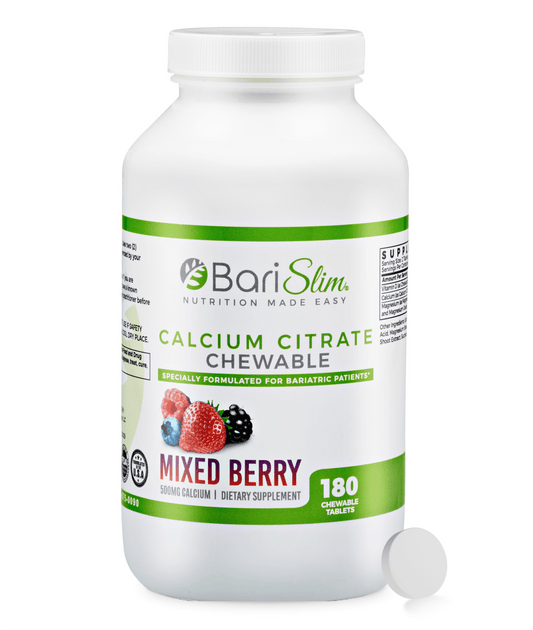
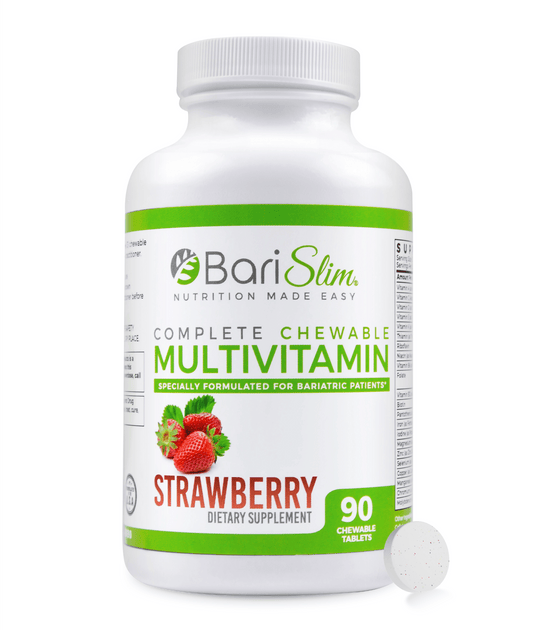
BariSlim’s bariatric nutrition supplements work together as a complete system, combining multivitamins, calcium, and protein support to fit into your daily routine.
- Designed for post-bariatric surgery needs
- Higher nutrient levels to support daily intake
- Easy to digest and simple to follow
Bariatric Diet Stages
After bariatric surgery, your body needs time to heal and adjust to new eating patterns. To support this transition, patients follow a structured progression of diet stages that slowly reintroduce food textures.
Each stage protects your stomach, supports digestion, and helps you build long-term habits safely.
Stage 1: Liquid Phase
According to NIDDK, "after surgery, you will probably be started on a liquid diet."As your stomach is still healing, only smooth liquids can be taken. This helps prevent strain on your digestive system while allowing your body to recover.
You will typically consume small sips throughout the day rather than large amounts at once. This helps avoid discomfort and supports steady hydration.
Common options include water, clear broths, and sugar-free fluids. As you progress, protein-based liquids may be added to support healing and maintain muscle.
The primary goal during this phase is not volume, but tolerance. Building the habit of slow, consistent intake sets the foundation for the next stages.
Stage 2: Pureed Foods
Once your body begins to tolerate liquids, you transition to pureed foods. This stage introduces soft, blended foods that require little to no chewing.
Foods are processed into a smooth, paste-like consistency to make digestion easier while gradually increasing nutrient intake.
Protein remains the priority at this stage. Common options include blended lean meats, eggs, yogurt, and soft fruits or vegetables.
Portion sizes are still very small, and meals are usually spread throughout the day. Eating slowly becomes especially important, as your body is still adapting to processing food again.
This stage helps your digestive system adjust while reinforcing portion control and mindful eating habits.
Stage 3: Soft Foods
In the soft food stage, you begin introducing foods that require gentle chewing but are still easy to digest.
These foods are typically tender and can be mashed with a fork. Examples include soft cooked vegetables, flaky fish, eggs, and finely chopped or ground meats.
You will continue eating small, structured meals while focusing on protein first. Chewing thoroughly is essential, as it helps your body process food more efficiently and reduces discomfort.
This stage marks an important shift from liquid-based nutrition to more traditional meals. It also allows you to explore a wider variety of foods while still maintaining control over portion size and digestion.
Stage 4: Solid Foods
The final stage introduces regular textured foods and represents your long-term eating pattern.
At this point, your body is better adapted to digestion, but portion control remains essential. Meals are still smaller than before surgery, and food choices should focus on balance and nutrient density.
Protein continues to be the foundation of each meal, followed by vegetables and other supportive foods. Eating slowly, chewing well, and stopping when full are key habits that carry into long-term success.
Although this stage allows more flexibility, it does not mean returning to old eating patterns. Instead, it is about maintaining a structured, consistent approach to nutrition that supports your body over time.
Transitioning Between Stages
Progression through these stages is not based on a fixed timeline. It depends on how well your body tolerates each phase.
Rushing through stages can lead to discomfort, nausea, or digestive issues. Moving gradually allows your body to adapt safely and build sustainable habits.
Following your recommended progression, staying consistent with hydration, and prioritizing protein will help support a smoother transition through each stage.

Key Nutrition Principles After Bariatric Surgery
After bariatric surgery, your nutrition approach shifts from quantity to quality. Since you are eating less, every meal needs to support your body’s needs in a more intentional way.
Building your routine around a few core principles helps simplify your daily decisions and supports long-term consistency.
Protein First
As per MedlinePlus, your new stomach pouch holds only a small amount of food at first, so every bite must count. That's why protein comes before anything else on your plate. It supports muscle maintenance, recovery, and overall strength while your body adjusts to weight loss. Because portion sizes are smaller, it can be difficult to meet daily protein needs through food alone. This is why many patients also rely on protein support to stay consistent.
Recommended Protein Support

Meeting your daily protein goals after bariatric surgery is much easier when you have a reliable, easy-to-use option built into your routine.
That's where BariSlim's High Protein Shake can help you stay consistent, especially on days when appetite is low or meal prep feels difficult.
- Helps support consistent daily protein intake
- Easy to include between meals or alongside meals
- Designed for bariatric patients with smaller portions
Stay Hydrated
Hydration plays a key role in digestion, energy levels, and overall comfort after surgery.
Since your stomach capacity is reduced, drinking large amounts at once may not feel comfortable. Instead, small and consistent sips throughout the day help maintain hydration without discomfort.
Staying hydrated also supports smoother digestion and helps prevent issues like fatigue or constipation.
Eat Small, Frequent Meals
After surgery, your body responds better to smaller, structured meals rather than large portions.
Eating smaller amounts more frequently helps maintain steady energy levels and reduces the risk of discomfort. It also allows your body to process nutrients more effectively throughout the day.
Spacing meals evenly helps create a predictable routine that your body can adapt to over time.
Focus on Nutrient-Dense Foods
Since you are eating less, the quality of your food becomes more important than ever.
Nutrient-dense foods provide more value in smaller portions. This includes lean proteins, vegetables, and other foods that support your body without adding unnecessary volume.
Choosing foods that support your energy, recovery, and long-term health helps you get the most out of every meal.
Sample Bariatric Meal Plan
A simple meal structure can help you stay consistent without overcomplicating your daily routine. The goal is to keep meals balanced, protein-focused, and easy to follow.
|
Meal |
Example |
|
Breakfast |
Protein shake or eggs |
|
Lunch |
Lean protein with soft vegetables |
|
Snack |
Yogurt or protein-based snack |
|
Dinner |
Lean protein with vegetables |
How to Choose the Right Bariatric Foods and Supplements
Choosing the right foods and supplements after bariatric surgery is less about variety and more about quality and consistency. Since your portion sizes are smaller, every choice needs to support your body in a meaningful way.
Choose Nutrient-Dense Foods
Because your body absorbs fewer nutrients, it is important to choose foods that provide more value in smaller portions. Lean proteins, vegetables, and whole foods help support energy, bone health, and overall function without adding unnecessary volume.
Look for Bariatric Specific Supplements
Not all supplements are designed for post-surgery needs. Bariatric-specific formulas are made to support reduced absorption and higher nutrient requirements. This helps maintain more consistent intake over time.
Check Ingredients
You also need to follow the habit of checking ingredient lists, not just the front of the package. A lot of foods claiming to be " healthy " have added sugars or cheap fillers, which can trigger dumping syndrome or leave you short on the nutrients you actually need.
Keep Your Routine Simple
Overcomplicating your diet or supplement plan can make it harder to stay consistent. A simple approach built around a few reliable foods and core supplements is easier to maintain long term.
Why Supplements are Still Important
Even with careful food choices, small gaps in nutrient intake can develop over time. These gaps are not always noticeable at first, but they can affect your energy, recovery, and overall health if left unaddressed.
This is why supplementation becomes a consistent part of your routine. Instead of relying only on food, supplements help support steady nutrient intake and reduce the risk of deficiencies.
Common Nutrition Challenges

Even with a clear plan, following bariatric nutrition consistently can be difficult in real life. Most challenges are not about knowing what to do, but staying consistent with it every day.
Low Appetite and Food Fatigue
After surgery, appetite can be unpredictable. Some days you may not feel like eating at all, while other days certain foods may feel unappealing.
This can make it harder to meet your daily protein and calorie needs. Over time, relying on a few simple, easy options can help reduce decision fatigue and support consistency.
Limited Portion Capacity
Your stomach capacity is significantly reduced, which means you have less room to meet your nutritional needs.
If meals are not planned carefully, it becomes easy to feel full before getting enough protein or nutrients. This is why prioritizing what you eat first becomes more important than how much you eat.
Sensitivity to Certain Foods
After surgery, your tolerance to food may change. Foods you once enjoyed may feel heavy, uncomfortable, or difficult to digest.
This can lead to frustration when trying to maintain a balanced diet. Adjusting gradually and finding foods that work well for your body helps build a more sustainable routine.
Inconsistent Daily Habits
Even small disruptions in your routine can affect your nutrition. Skipping meals, forgetting supplements, or missing hydration targets can create gaps over time.
These inconsistencies are common, especially during busy days. Keeping your routine simple and repeatable makes it easier to stay on track without overthinking each step.
Overcomplicating the Process
Trying to follow strict rules or constantly changing your approach can make nutrition feel overwhelming.
In reality, the most effective approach is often the simplest one. A routine that you can follow consistently will always work better than a complex plan that is hard to maintain.
How to Build a Sustainable Routine
A structured routine prevents you from overthinking your daily intake. When supplements and meals are taken at regular times, your body can adjust more effectively.
- Morning: Water + bariatric multivitamin (foundation for daily nutrient support)
- Midday: Fluids + fiber-focused meal (supports digestive movement and consistency)
- Evening: Light meal + continued hydration (helps maintain regular bowel patterns)
- Optional: Protein support between meals (helps maintain overall intake and recovery)
Spacing supplements throughout the day helps improve absorption and reduces nutrient interactions.
Frequently Asked Questions
What is the bariatric diet?
The bariatric diet is a structured eating approach followed after weight loss surgery. It focuses on smaller portions, higher protein intake, and balanced nutrition to support digestion, recovery, and long-term health.
How much protein should I eat after bariatric surgery?
Most patients need around 60 to 100 grams of protein per day after bariatric surgery. Protein supports muscle maintenance, recovery, and energy levels, making it a key part of your daily nutrition routine.
Can I eat normally after bariatric surgery?
Over time, you can transition to a more balanced eating pattern after bariatric surgery. However, portion sizes remain smaller, and meals should focus on protein and nutrient-dense foods.
Do I still need supplements after bariatric surgery?
Yes, supplements are an important part of bariatric nutrition. Since your body absorbs fewer nutrients and you eat less, supplements help support consistent intake and reduce the risk of deficiencies
What is the best way to stay consistent after bariatric surgery?
The best way to stay consistent is to follow a simple routine. Structured meals, regular hydration, and daily supplements make it easier to maintain your nutrition without overcomplicating your routine.
Support Your Nutrition and Daily Routine
Building a strong nutrition plan is one of the most important steps after bariatric surgery. But staying consistent every day can feel challenging without the right system in place.
Start building your routine today with BariSlim, which is designed as a complete bariatric supplement system that fits into your daily routine. Instead of managing multiple products separately, you can follow a simple structure that supports your nutrition without added complexity.