Order Free Sample


GLP-1 medications like Ozempic and Wegovy have changed how many people approach weight management. By helping regulate appetite and support calorie control, these medications can make long-term progress feel more manageable.
However, as appetite and eating patterns change, nutrition becomes even more important. Eating less does not reduce your body’s need for protein, hydration, vitamins, and overall balance.
Without a structured approach, it can become difficult to meet your nutritional needs. Smaller portions, skipped meals, and lower fluid intake may gradually affect energy levels, muscle maintenance, and daily stability.
The good news is that a simple routine can help support your body while using GLP-1 medications. Focusing on balanced meals, hydration, protein intake, and daily nutrition habits can make it easier to maintain long-term consistency.
This GLP-1 nutrition guide explains what to eat on Ozempic and Wegovy, how nutrition changes on GLP-1 medications, and practical ways to build a balanced routine that supports your goals.
Quick Summary
- GLP-1 medications often reduce appetite, meal size, and overall food intake
- Protein, hydration, nutrients, and consistency are key nutrition priorities
- Smaller, balanced meals are often easier to tolerate on GLP-1 medications
- Hydration and nutrient intake may become more important as intake decreases
- A simple nutrition routine can help support energy, muscle maintenance, and long-term consistency
Who Can Benefit from This Guide
This guide is designed for:
- Ozempic users
- Wegovy users
- Semaglutide users
- Anyone looking to improve their nutrition while on GLP-1 medications
What Changes With Nutrition on GLP-1?

GLP-1 medications influence appetite, digestion, and eating patterns. As these changes begin to affect your routine, nutrition often becomes more important rather than less.
Because these changes happen gradually, it is not always obvious when nutrition habits start shifting. Over time, lower intake can affect energy levels, hydration, muscle maintenance, and overall balance.
Common nutrition changes on GLP-1 medications include:
Reduced Appetite
One of the main effects of GLP-1 medications is appetite regulation. Many individuals feel satisfied more quickly and experience fewer hunger signals throughout the day. While this can help reduce overeating, it may also make it easier to unintentionally eat too little. This is one reason nutrition planning becomes an important part of a sustainable GLP-1 diet plan.
Smaller Portion Sizes
Meals that once felt manageable may suddenly feel too large. Some individuals naturally shift toward lighter meals or smaller portions because fullness occurs more quickly.
This can make meal quality more important. Since total intake is lower, prioritizing nutrient-dense foods becomes essential for maintaining balance and supporting daily energy.
Less Frequent Meals
Many individuals notice they eat less often while using GLP-1 medications. Longer gaps between meals may happen naturally due to reduced appetite or changes in routine.
Without planning, these longer gaps can make it harder to maintain protein intake, hydration, and nutrient support across the day.
Changes in Hydration Habits
Hydration patterns may also change while using GLP-1 medications. Since fluid intake is often tied to meals and routine, eating less can sometimes lead to drinking less as well.
This is one reason hydration becomes an important part of any GLP-1 nutrition guide. Maintaining regular fluid intake helps support balance, digestion, and overall daily stability. Dehydration on GLP-1 medications is one of the common side effects people tend to overlook, so it's worth paying attention to your fluid intake right from the start of treatment.
Nutrition Needs Still Matter
Lower appetite changes how much you eat, but it does not eliminate your body’s need for protein, fluids, vitamins, minerals, and overall nutritional balance.
The goal is not to eat large amounts of food, but to focus on consistency, balance, and food quality. A structured approach can help support your body while making long-term habits easier to maintain.
Key Nutrition Priorities on GLP-1
Nutrition on GLP-1 medications is not only about eating less. It is about making sure your body continues receiving the support it needs while appetite and meal patterns change. As intake decreases, certain areas become more important to prioritize consistently. Focusing on these core nutrition foundations can help support energy, hydration, muscle maintenance, and long-term balance.
Nutrition Priorities Overview
|
Priority |
Why It Matters |
|
Protein |
Supports muscle maintenance and recovery |
|
Hydration |
Supports energy, digestion, and daily balance |
|
Nutrients |
Supports overall nutrition and consistency |
|
Consistency |
Supports sustainable long-term habits |
Protein Intake
Protein is one of the most important parts of a balanced GLP-1 nutrition guide. As calorie intake decreases, maintaining adequate protein becomes more important for supporting muscle and overall daily function.
Many individuals on GLP-1 medications unintentionally reduce protein intake because appetite is lower and meals become smaller. Over time, this may affect strength, recovery, and body composition. That’s why protein supplements for GLP-1 users can make it easier to hit your daily target without needing to eat larger meals, while also helping meals feel more satisfying throughout the day.
Recommended Protein Support
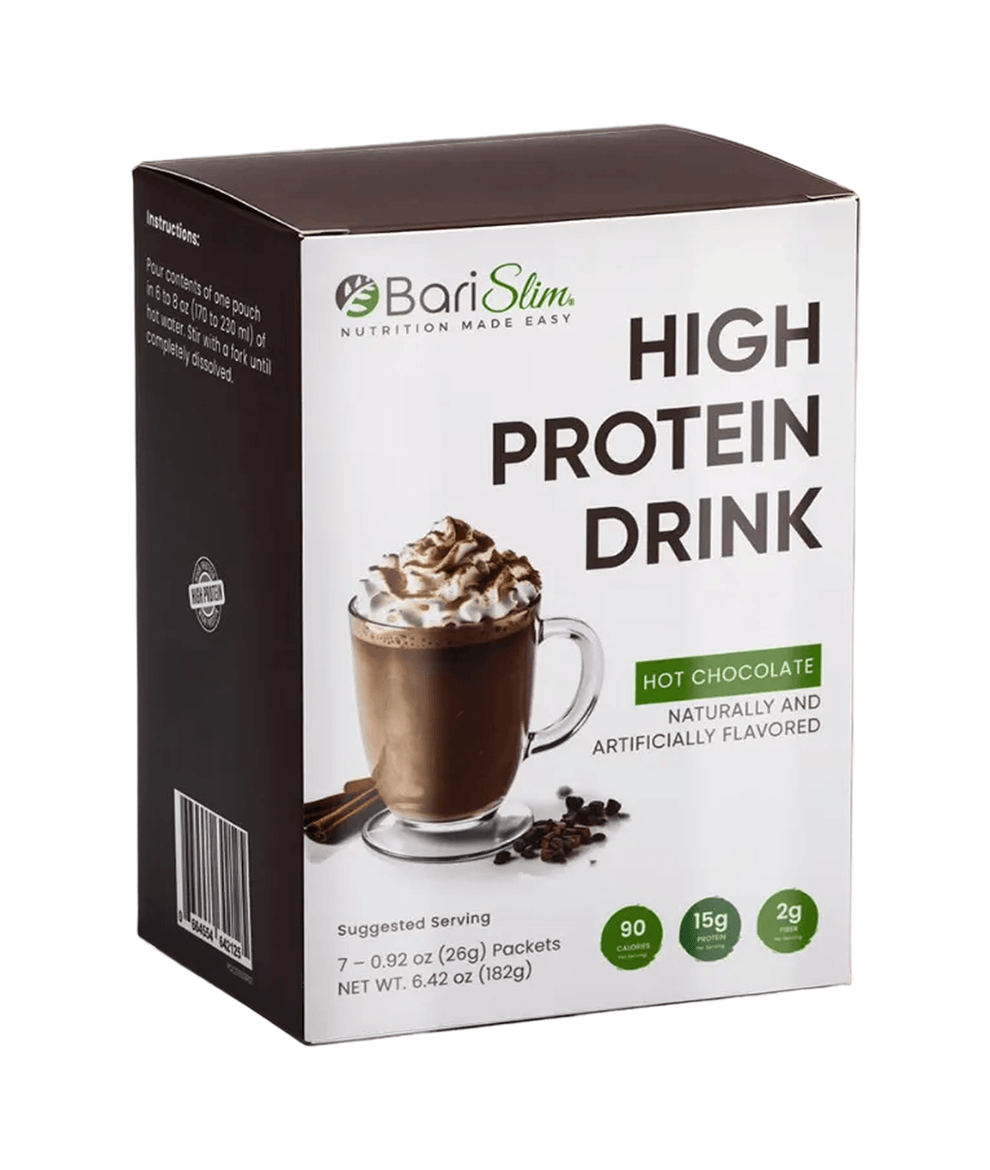
Meeting your daily protein goals while using GLP-1 medications is much easier when you have a reliable, easy-to-use option built into your routine.
That's where a high-quality protein shake can help you stay consistent, especially on days when appetite is low or meal prep feels difficult.
- Easy to prepare and include between meals
- Designed for smaller appetites and reduced intake
- Gentle and practical for daily use
- Helpful on days when meals feel difficult to manage
Hydration
Hydration plays a major role in energy, digestion, and overall balance while using GLP-1 medications.
Because appetite and thirst signals may both decrease, many individuals unintentionally drink less water throughout the day. This can gradually affect daily comfort, hydration balance, and routine consistency.
Maintaining regular fluid intake and building hydration into your routine can help support overall stability while following a GLP-1 diet.
Electrolyte Support
Electrolytes can help support hydration and daily balance, especially when fluid intake becomes less balanced. Electrolytes may be especially helpful during periods of lower intake, increased fatigue, or inconsistent hydration habits.
- Supports hydration
- Helps maintain balance
- Easy to use throughout the day
Nutrient Intake
Eating less food can sometimes make it harder to consistently meet your daily nutrient needs.
When portions become smaller, the quality and balance of your intake become more important. Vitamins, minerals, and overall nutrient support still play an important role in maintaining long-term consistency and overall health. Even a research study published by the National Institutes of Health notes that reduced food intake on GLP-1 medications can lead to poor nutrient status and muscle loss if left unaddressed, with daily protein needs generally falling between 1.2 and 2.0 grams per kilogram of body weight to help offset this.
This is one reason many individuals include daily supplements as part of their GLP-1 meal plan.
Daily Multivitamin
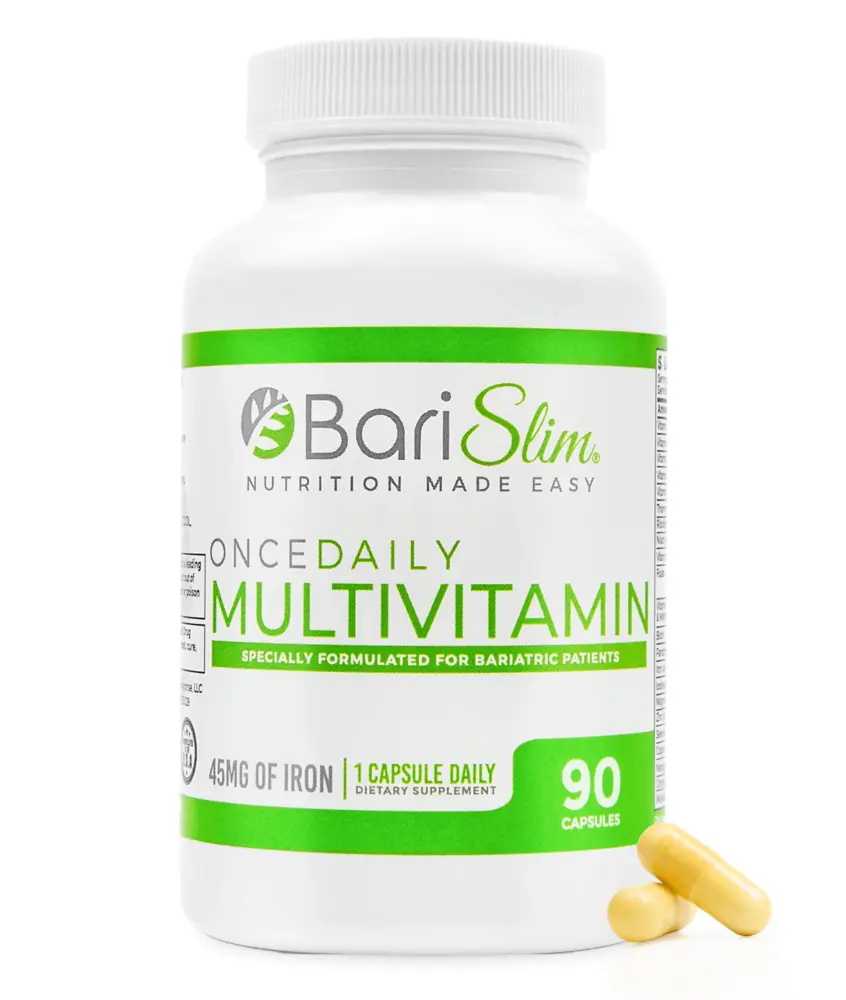
If you’re looking for a simple starting point, a high-quality multivitamin can help support your daily nutrient intake while on GLP-1 medications.
- Supports daily nutrient intake with reduced food consumption
- Designed for consistent use alongside GLP-1 medications
- Helps simplify your routine
Consistency
Consistency is one of the most important parts of long-term success on GLP-1 medications.
Nutrition does not need to be perfect every day. Instead, focusing on repeatable habits such as regular meals, hydration, protein intake, and nutrient support often leads to more sustainable results over time.
A simple structure makes it easier to maintain your routine without overcomplicating daily decisions. Small habits practiced consistently tend to be more effective than aggressive short-term approaches.
Building a balanced and realistic GLP-1 eating guide around your daily routine can help support long-term stability and make nutrition easier to manage.
What to Eat on GLP-1 Medications
 One of the most common questions people ask is what to eat on Ozempic or what to eat on Wegovy.
Since appetite and portion sizes often change, food choices can begin to feel very different while using GLP-1 medications. The goal is not to follow a highly restrictive plan. Instead, focus on foods that are balanced, easy to tolerate, and practical to include consistently.
A sustainable GLP-1 diet plan usually prioritizes protein, hydration, nutrient density, and meals that feel manageable throughout the day.
Protein-Focused Foods
Protein is one of the most important parts of nutrition on GLP-1 medications. Since overall intake is often lower, prioritizing protein can help support muscle maintenance, recovery, and daily stability.
Many individuals find that smaller, protein-focused meals are easier to tolerate than larger meals with a mix of heavier foods. Examples of protein-focused foods include:
- Lean meats such as chicken or turkey
- Eggs
- Greek yogurt and cottage cheese
- Fish and seafood
- Protein shakes
- Plant-based proteins such as tofu, beans, or lentils
Spreading protein intake across the day can often feel more manageable than trying to consume large amounts in one sitting.
Hydrating Foods
Hydration is another important part of a balanced GLP-1 meal plan. Since thirst and appetite may both decrease, hydrating foods can help support fluid intake throughout the day.
Foods with higher water content may also feel lighter and easier to tolerate, especially during periods of lower appetite. Examples include:
- Fruits such as watermelon, berries, oranges, or grapes
- Vegetables such as cucumber, lettuce, celery, or zucchini
- Broths and lighter soups
- Smoothies with protein and fluids
Including these foods regularly may help support hydration and overall balance while following a diet on GLP-1.
Balanced Meals
Large meals may feel uncomfortable while using GLP-1 medications. Many individuals tolerate smaller, balanced meals more comfortably throughout the day. A balanced meal often includes:
- A protein source
- Fiber-rich carbohydrates
- Healthy fats in moderate amounts
- Hydration support
The focus should be on meals that feel satisfying without being overly heavy. Keeping meals simple can make nutrition easier to maintain regularly.
Foods to be Mindful of
Some foods may feel harder to tolerate while adjusting to GLP-1 medications, especially during the early stages or after dose increases. This does not necessarily mean these foods must be avoided completely.
However, paying attention to how your body responds can help you make adjustments more comfortably. Foods that may feel more difficult to tolerate include:
- High-fat foods
- Large portions
- Highly processed foods
- Very greasy meals
- Heavy or overly rich foods
These foods may sometimes contribute to feelings of fullness, nausea, or digestive discomfort during the adjustment process.
Building your GLP-1 eating guide around lighter, balanced, and protein-focused meals is often easier to maintain over time.
Example Daily Nutrition Plan
A structured eating routine can make nutrition easier to manage while using GLP-1 medications. Since appetite and meal size often change, having a simple plan helps support consistency without feeling overwhelming. This example GLP-1 meal plan focuses on protein, hydration, and balanced intake throughout the day.
|
Time |
Focus |
Example Ideas |
|
Morning |
Protein + nutrients |
Eggs, Greek yogurt, protein shake, multivitamin, water |
|
Midday |
Balanced meal |
Lean protein, vegetables, small portion of carbohydrates |
|
Afternoon |
Hydration + light intake |
Electrolytes, fruit, broth, protein snack |
|
Evening |
Smaller meal |
Light protein-focused meal with hydration support |
The goal is not to follow a perfect schedule every day. Instead, this type of structure helps simplify your GLP-1 eating guide and makes it easier to maintain balanced nutrition consistently.
Why Smaller Meals Often Feel Better on GLP-1 Medications
Many individuals notice that large meals feel uncomfortable while using GLP-1 medications. This is because digestion slows down, which means food stays in the stomach longer than usual.
As a result, eating too much at once may increase feelings of fullness, heaviness, or digestive discomfort.
Smaller meals are often easier to tolerate because they place less stress on digestion while still helping support consistent nutrition intake throughout the day.
This is one reason many GLP-1 meal plans focus on smaller portions spaced more evenly across the day instead of large meals. Breaking meals into manageable portions may also make it easier to maintain protein intake, hydration, and overall balance without feeling overwhelmed.
How Rapid Weight Loss Can Affect Nutrition on GLP-1
Rapid weight loss can change more than body weight alone. As intake decreases quickly, it may become harder to consistently maintain protein, hydration, and nutrient intake.
This is one reason nutrition becomes especially important during periods of faster progress on GLP-1 medications. The timing matters as well, losing 14% or more of body weight within just 3 to 4 months has been linked to significant bone loss, while a slower, more gradual weight loss appears to carry less risk, according to a joint clinical advisory from the American College of Lifestyle Medicine, the American Society for Nutrition, the Obesity Medicine Association, and The Obesity Society.
Without a structured approach, rapid changes in eating patterns may gradually affect energy levels, recovery, muscle maintenance, and overall consistency. Focusing on balanced nutrition during weight loss helps support long-term stability rather than relying only on lower calorie intake. A sustainable diet on GLP-1 is usually built around consistency, not extreme restriction.
How to Stay Consistent
Consistency is one of the most important parts of any GLP-1 nutrition guide. Simple habits that fit naturally into your routine are often easier to maintain than strict or overly complicated plans.
Keep Meals Simple
Meals do not need to be complicated to support your goals. Focusing on a protein source, hydration, and balanced portions can help make eating feel more manageable.
Focus on Priorities
Instead of trying to change everything at once, focus on the areas that matter most such as protein intake, hydration, and daily nutrient support.
Follow a Routine
Structured eating and hydration habits help reduce inconsistency throughout the day. Repeating simple patterns often makes nutrition easier to maintain over time.
Common Nutrition Mistakes on GLP-1
Small gaps in routine can gradually affect energy, hydration, and overall consistency while using GLP-1 medications. Recognizing these common mistakes early can help support a more balanced approach.
Not Eating Enough Protein
Protein is one of the most important parts of a balanced GLP-1 diet plan. Low protein intake may affect muscle maintenance, recovery, and overall daily stability.
Skipping Meals
Reduced appetite can make it easy to unintentionally skip meals. Long gaps between eating may make it harder to maintain consistent nutrition throughout the day.
Ignoring Hydration
Lower thirst signals and reduced intake can increase the risk of dehydration. Consistent hydration supports digestion, energy, and daily balance.
Inconsistent Eating Habits
Irregular meal timing and inconsistent intake patterns can make it harder to maintain long-term stability. Simple, repeatable habits are often more sustainable over time.
Frequently Asked Questions
Below are answers to common questions about nutrition while using GLP-1 medications.
What should I eat on GLP-1 medications?
A balanced GLP-1 nutrition guide typically focuses on protein, hydration, nutrient-dense foods, and smaller balanced meals that are easier to tolerate consistently.
How much protein do I need?
Protein needs can vary based on body weight, activity level, age, and overall goals. Many individuals using GLP-1 medications focus on increasing protein intake throughout the day, though individual needs may differ. A healthcare provider or registered dietitian can help determine the right amount for your routine.
Do I need supplements?
Because appetite and food intake often decrease on GLP-1 medications, some individuals include supplements to help support daily nutrient intake and routine consistency.
How often should I eat?
Smaller, more consistent meals are often easier to manage than large portions. Spacing meals throughout the day may help support digestion, energy, and overall comfort.
What’s the easiest way to stay consistent?
The simplest approach is to build a repeatable routine around protein, hydration, and balanced meals. Keeping your structure simple often makes long-term consistency easier.
Support Your GLP-1 Nutrition
Nutrition plays an important role in maintaining energy, consistency, and daily balance while using GLP-1 medications. As appetite and eating patterns change, a structured routine can help make nutrition feel more manageable.
Focusing on protein intake, hydration, nutrient support, and consistent habits can help support long-term stability and make it easier to maintain your routine over time.
This article is for informational purposes only and should not be considered medical advice. Always consult your healthcare provider before making changes to your nutrition, exercise, supplement routine, or GLP-1 medication plan.