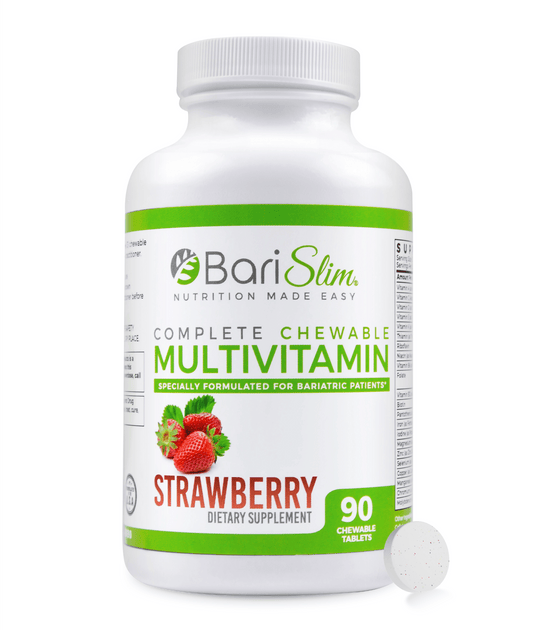
Order Free Sample


Bariatric surgery can be life-changing, but the procedure itself is only the beginning. Life after bariatric surgery often involves major changes to eating habits, nutrition, hydration, energy levels, and daily routines. From early recovery to long-term maintenance, most patients spend months and years adjusting to new physical and lifestyle patterns.
Understanding what to expect during each stage can help make the transition feel more manageable and less overwhelming. This complete guide explains the different phases of life after bariatric surgery, including recovery, weight loss expectations, nutrition, supplements, emotional changes, and the habits that help support long-term success.
Quick Summary
|
Who Can Benefit from This Guide?
This guide is designed for:
- Gastric sleeve patients
- Gastric bypass patients
- Lap-band and duodenal switch patients
- Anyone preparing for bariatric surgery
- Patients recovering from surgery
- Individuals in long-term maintenance who want to support their routine and overall consistency
The Bariatric Surgery Journey: What to Expect Over Time
Life after bariatric surgery is not a single event. It is a long-term lifestyle adjustment that continues evolving over months and years. Most patients move through several distinct phases after surgery: each with different priorities related to recovery, nutrition, hydration, activity, and daily habits. Understanding these stages can help set more realistic expectations and make the adjustment process feel less overwhelming. While every bariatric journey is different, most individuals experience three broad phases: early recovery, intermediate adjustment, and long-term maintenance.
According to the research from the NIDDK, patients typically lose between 15% and 30% of their starting weight, depending on which procedure they've had. Knowing this range in advance can help set realistic expectations rather than comparing your own progress to someone else's timeline.
The Early Recovery Phase (Weeks 1–6)
The first several weeks after bariatric surgery focus primarily on healing and adjusting to major physical and dietary changes. This is usually the most structured part of the journey, and following your surgeon’s post-operative guidance closely is essential during this stage.
Physical Recovery
Most patients spend one or two nights in the hospital before returning home to continue recovery. During the first few weeks, low energy, soreness, swelling, and reduced appetite are common. Many patients find it helpful to review a detailed bariatric surgery recovery timeline before surgery so they know what to expect during each stage of healing. Rest becomes an important priority during this phase. Light walking is usually encouraged to support circulation and recovery, while more strenuous activity is typically avoided until approved by your surgical team.
Diet Progression After Surgery
Eating patterns change immediately after bariatric surgery. Most patients progress through structured post-op diet stages that gradually reintroduce food over time.
These stages often include:
- Clear liquids
- Full liquids
- Pureed foods
- Soft foods
-
Regular textured foods
Each phase generally lasts one to two weeks, although timelines vary depending on the procedure and individual recovery progress. Moving too quickly between stages may increase discomfort or digestive issues, which is why gradual progression is emphasized during early recovery.
Beginning a Supplement Routine
Supplements are commonly introduced within the first few weeks after surgery.
Many bariatric patients begin building a routine around bariatric multivitamins, calcium citrate, vitamin B12 support, hydration, and protein intake. Because nutrient absorption changes permanently after many bariatric procedures, supplementation usually becomes a lifelong part of maintaining nutritional balance and preventing deficiencies.
The Intermediate Adjustment Phase (Months 2–12)
After the initial recovery period, most patients enter the most active phase of physical and lifestyle change. This stage is often when weight loss becomes more noticeable and new routines begin taking shape.
Rapid Weight Loss
Most patients lose a large portion of excess weight during the first 12 to 18 months after bariatric surgery. Weight loss is often fastest during the first several months before gradually slowing over time. Although this progress can feel encouraging, rapid weight loss may also contribute to challenges such as fatigue, muscle loss, hair thinning, or reduced energy if nutrition and supplementation become inconsistent. Maintaining protein intake, hydration, and structured supplementation often becomes especially important during this phase.
Adjusting to New Eating Habits
Eating habits typically change significantly after bariatric surgery.
Meals become smaller, slower, and more structured around protein-focused foods. Many patients also notice that food preferences and tolerances shift over time.
Long-term habits often include:
- Eating slowly
- Chewing thoroughly
- Prioritizing protein first
- Avoiding overeating
- Separating fluids from meals
Many bariatric patients also follow the “30-minute rule,” which involves avoiding fluids shortly before and after meals to help maximize comfort and support food tolerance.
Emotional and Lifestyle Changes
Bariatric surgery often affects emotional health and daily identity as much as physical health.
Many individuals experience changes in confidence, social situations, body image, routines, and their relationship with food during this phase. The adjustment process can feel emotional at times, especially while adapting to rapid physical changes and new habits. Support groups, counseling, therapy, and connection with other bariatric patients can help provide additional support during this stage of the journey.
Exercise and Activity
As recovery improves, physical activity usually becomes a more consistent part of daily life.
Many patients begin with walking and low-impact movement before gradually adding strength training, resistance exercise, and more structured activity over time.
Exercise helps support muscle maintenance, mobility, energy, and long-term weight stability throughout the bariatric journey.
The Long-Term Maintenance Phase (Year 2 and Beyond)
After the first year, weight loss generally slows and begins stabilizing. This phase focuses less on rapid change and more on maintaining consistent long-term habits. For many individuals, this stage becomes the transition into a sustainable long-term lifestyle.
Maintaining Weight Loss
Long-term weight maintenance after bariatric surgery usually depends on consistency with nutrition, hydration, activity, and daily routines. Some weight regain over time is common and expected, particularly during years two and three. However, many patients maintain significant long-term weight loss through structured habits and ongoing lifestyle support. Protein intake, regular movement, hydration, and supplement consistency often remain central priorities during this stage.
Long-Term Nutrition Priorities
Nutrition needs remain permanently different after bariatric surgery. Protein intake, hydration, vitamins, and minerals continue to require ongoing attention, and meals often remain smaller and more structured than before surgery. According to NIH’s, published clinical nutrition guidelines for bariatric patients, it is recommended to aim for approximately 60–80 grams of protein daily, although individual needs may be higher depending on body size, activity level, procedure type, and provider recommendations. Many patients also complete regular lab work to help monitor for nutritional deficiencies that may develop gradually over time if intake or absorption becomes inconsistent.
Ongoing Supplementation
For most bariatric patients, supplementation becomes a permanent part of maintaining health after surgery. Changes in digestion and nutrient absorption can make it difficult to consistently meet nutritional needs through food alone. Structured supplementation helps support energy, bone health, hydration, muscle maintenance, and overall long-term wellness.
Building a New Normal
Over time, many habits that initially feel difficult begin to feel automatic.
Structured eating, hydration routines, supplements, activity, and mindful habits gradually become part of everyday life rather than temporary adjustments. Many patients report meaningful improvements in mobility, confidence, quality of life, and overall health during the years following bariatric surgery.
Common Challenges After Bariatric Surgery and How to Manage Them
Life after bariatric surgery often includes periods of adjustment, especially during the first year. While many changes improve over time as routines become more consistent, some challenges are very common during the recovery and weight loss process. Understanding what to expect can help make these changes feel less overwhelming and easier to manage long-term.

Hair Thinning
Hair shedding is common during periods of rapid weight loss and often becomes noticeable between three and six months after surgery. The main cause of hair loss after bariatric surgery is that the body is adapting to major nutritional and metabolic changes. Lower protein intake, inconsistent supplementation, and reduced iron intake may also contribute. In many cases, hair thinning improves gradually over time as nutrition, protein intake, and supplement routines become more consistent. Maintaining structured protein intake and following a bariatric supplement routine may help support better long-term nutritional balance during this phase.
Fatigue and Low Energy
Having fatigue after bariatric surgery is another common experience, especially during the early months of recovery and rapid weight loss. Reduced calorie intake, hydration changes, lower protein intake, and nutritional inconsistencies may all affect energy levels throughout the day.
Many patients notice improvements as routines become more structured around:
- Consistent hydration
- Protein-focused meals
- Regular supplement intake
-
Balanced daily habits
Energy levels often stabilize gradually rather than all at once.
Dumping Syndrome
Dumping syndrome is most commonly associated with gastric bypass surgery and happens when food moves too quickly through the digestive system. Understanding the warning signs of dumping syndrome and common triggers can help patients manage symptoms more effectively. Symptoms may include nausea, cramping, dizziness, sweating, or discomfort after eating certain foods. Many individuals reduce symptoms by:
- Avoiding high-sugar foods
- Eating smaller portions
- Eating more slowly
- Separating fluids from meals
Over time, patients often become more familiar with which foods feel easiest to tolerate.
Weight Regain
As mentioned earlier, weight regain after bariatric surgery is common, particularly after a couple of years. This does not mean surgery has failed. Long-term weight maintenance naturally involves periods of adjustment as eating habits, activity levels, and routines evolve over time.
Many patients find that returning to more structured habits helps support better consistency when weight regain begins to increase. Areas that often help support long-term maintenance include:
- Protein-focused meals
- Consistent hydration
- Regular movement and activity
- Supplement consistency
- Mindful eating habits
Emotional and Social Adjustments
Bariatric surgery often changes more than physical health alone. Many patients experience emotional shifts related to body image, confidence, identity, relationships, and social situations involving food. These changes can feel rewarding at times but also emotionally challenging during periods of adjustment. Support groups, therapy, counseling, and connection with other bariatric patients may help provide additional support throughout the long-term journey.
Social Life and Daily Habits After Bariatric Surgery
 Life after bariatric surgery often involves more than changes to weight and nutrition alone. Many patients also adjust to new routines in social situations, restaurants, travel, celebrations, and everyday activities involving food. These changes can feel unfamiliar at first, especially during the first year when eating habits and portion sizes are still evolving.
Eating at Restaurants
Restaurant meals often feel much larger than necessary after bariatric surgery. Many patients find that smaller portions, shared meals, or taking leftovers home becomes part of their normal routine. Eating slowly and prioritizing protein first may also help improve comfort while dining out. Over time, many individuals become more confident identifying meals and portion sizes that fit comfortably into their routine.
Social Gatherings and Events
Social situations involving food can sometimes feel different after surgery, particularly during the early adjustment phase. Family gatherings, parties, holidays, and work events may involve eating patterns that no longer fit as comfortably as they once did. Many patients find it helpful to focus on balance rather than perfection while learning how to navigate these situations more comfortably.
Travel and Routine Changes
Travel, busy schedules, and irregular routines may make hydration, supplements, and structured meals harder to maintain consistently. Planning ahead often helps support better consistency while away from home. Some individuals prepare by bringing:
- Protein snacks or shakes
- Water bottles or hydration support
- Daily supplements
- Smaller portion-friendly meal options
Building flexible routines around travel and social events may help make long-term consistency feel more manageable.
Changes in Alcohol Tolerance
Many bariatric patients notice that alcohol affects them differently after surgery. Alcohol may be absorbed more quickly, and tolerance levels can change significantly depending on the procedure and individual response. For this reason, many healthcare providers recommend approaching alcohol carefully after bariatric surgery and discussing individual guidance during follow-up care.
Loose Skin and Body Composition Changes After Bariatric Surgery
Rapid weight loss after bariatric surgery often changes body composition in ways that go beyond the number on the scale. Many patients notice changes in muscle tone, skin elasticity, and overall body shape throughout the first one to two years after surgery.
Loose Skin After Rapid Weight Loss
Loose skin is a common part of major weight loss, especially after significant or rapid changes in body size. The amount of loose skin varies widely between individuals and may be influenced by factors such as age, genetics, starting weight, muscle mass, hydration, and the rate of weight loss. Common areas where loose skin may appear include:
- Arms
- Abdomen
- Thighs
- Chest
-
Neck and face
For many individuals, body composition continues adjusting gradually over time as weight stabilizes and routines become more consistent.
Muscle Maintenance During Weight Loss
Rapid weight loss may also affect muscle mass if protein intake and activity levels become inconsistent. This is one reason many bariatric routines emphasize:
- Protein-focused meals
- Hydration support
- Resistance training
- Structured supplementation
Maintaining muscle becomes increasingly important during long-term weight maintenance because it helps support strength, mobility, recovery, and overall daily function.
Adjusting to Physical Changes
Physical changes after bariatric surgery often continue evolving long after the initial weight loss phase slows down. Many patients find that confidence, comfort, mobility, posture, and overall body awareness gradually improve over time as routines stabilize. The adjustment process is usually gradual rather than immediate, and many individuals benefit from focusing on long-term consistency rather than expecting rapid physical perfection.
Building a Sustainable Long-Term Routine
Long-term success after bariatric surgery usually depends less on perfection and more on consistency. Many patients who maintain stable long-term results tend to build routines around simple, repeatable habits that feel realistic to maintain over time. These habits often include:
- Daily bariatric supplementation, including multivitamin, calcium, vitamin B12, and protein support
- Smaller, structured meals built around protein intake
- Consistent hydration habits throughout the day
- Regular movement and physical activity, including resistance training when appropriate
- Routine lab work and ongoing follow-up with healthcare providers
In most cases, sustainable routines work better than highly restrictive or overly complicated approaches. Building habits that fit naturally into daily life often makes long-term consistency easier to maintain throughout the bariatric journey.
Frequently Asked Questions
How long does it take to recover from bariatric surgery?
Initial physical recovery after bariatric surgery often takes around four to six weeks. However, the full adjustment process usually continues much longer as eating habits, hydration, activity levels, and daily routines evolve over time. Many patients spend the first 12 to 18 months adapting to rapid weight loss and long-term lifestyle changes before transitioning into a more stable maintenance phase.
How much weight do people usually lose after bariatric surgery?
Weight loss results vary depending on the type of bariatric procedure, starting weight, daily habits, and long-term consistency. Many patients lose a significant percentage of excess weight during the first 12 to 18 months after surgery. Long-term results are often supported by consistent nutrition, hydration, activity, and supplementation habits.
Do I need to take bariatric supplements for life?
For most patients, supplementation becomes a lifelong part of maintaining health after bariatric surgery. Changes to digestion and nutrient absorption may make it harder to consistently meet nutritional needs through food alone. Long-term supplement routines are commonly used to help support energy, bone health, hydration, muscle maintenance, and overall nutritional balance.
Will I be able to eat normally again after bariatric surgery?
Eating habits usually remain different after bariatric surgery, even long-term. Meals are typically smaller, more structured, and more focused on protein intake and hydration balance. Many foods can gradually be reintroduced over time, but portion sizes, eating speed, and meal structure often remain permanently different from before surgery.
What is the most important habit for long-term success after bariatric surgery?
Consistency is one of the most important long-term factors. Many patients who maintain stable long-term results build structured routines around protein intake, hydration, supplements, movement, and regular follow-up care. Small, repeatable habits are often easier to maintain than highly restrictive short-term approaches.
Support Your Long-Term Bariatric Routine
Life after bariatric surgery is a long-term process that continues evolving over time. Building structured habits around nutrition, hydration, supplements, movement, and routine consistency can help support your body throughout every stage of the journey. As recovery progresses and routines become more stable, many patients find that small, repeatable habits make long-term maintenance feel more manageable and sustainable.
This article is for informational purposes only and should not be considered medical advice. Always consult your healthcare provider before making changes to your nutrition, exercise, supplement routine, or bariatric care plan.