Order Free Sample


Weight loss surgery can be a major step toward better health and a healthier lifestyle. However, what you eat after surgery plays an important role in your recovery and long-term weight loss. Your stomach will be smaller, so you will need to eat smaller portions and choose foods that provide important nutrients. You may also need to follow specific diet stages as your body heals, starting with liquids and gradually moving to soft and solid foods. Protein is especially important after surgery because it helps support healing and maintain muscle. This is why many people ask whether you can eat eggs after bariatric surgery. Eggs are a good source of protein, but the right time to add them depends on your recovery and your healthcare provider’s advice.
Table of Contents
Overview for Bariatric Egg NutritionEggs can be a nutritious protein source after bariatric surgery when introduced at the appropriate stage of recovery. Patients should follow their surgeon or dietitian’s guidance on timing, portions, preparation, and food tolerance. Fully cooked, soft eggs with minimal added fat may be easier to manage. Eating slowly, taking small bites, recognizing fullness, and practicing proper food safety can support comfortable meals while helping meet nutritional needs during recovery. |
How to Add Eggs to Your Post-Bariatric Surgery Diet?
Eggs are a versatile, nutrient-dense food packed with high-quality protein, vitamins, and minerals. Protein is crucial for maintaining muscle mass, promoting wound healing, and ensuring overall health after bariatric surgery. MedlinePlus also identifies protein as an important part of the diet after gastric bypass and lists whole eggs and egg whites among low-fat protein choices. Meanwhile, adjusting your diet to smaller portions and nutrient-rich foods is necessary to prevent complications and promote optimal weight loss.
In the initial stages after surgery, you may need to follow a liquid or pureed diet; however, once your healthcare provider gives you the green light, you can safely incorporate soft, scrambled eggs into your meal plan. It is essential to listen to your body and follow the specific recommendations provided by your surgeon and dietitian to ensure that your new diet supports your health goals.
|
Support your post-bariatric nutrition journey with trusted BariSlim solutions designed to help meet your daily nutritional needs! |
Why Eggs are a Great Staple Food After Bariatric Surgery?
Eggs are an excellent choice for your post-bariatric surgery diet. They are packed with nutrients like high-quality protein and essential vitamins, which help to support your recovery and overall health.
One of the primary reasons you may want to incorporate eggs into your diet is their high protein content. One large egg provides about 6 grams of protein, which can help contribute to the daily protein needs commonly recommended after bariatric surgery. Your individual protein target should come from your bariatric care team.
Eggs also provide essential vitamins and minerals, including B vitamins, vitamin D, selenium, and choline. These nutrients contribute to a healthy immune system, energy production, and nerve function. As you adjust to your new diet, it's crucial to maintain optimal nutrient levels.
Another advantage of eggs is their versatility. You can prepare them in various ways, such as scrambled, hard-boiled, or in an omelet. Soft-scrambled or poached eggs may be more comfortable to digest during the early stages of your recovery. As you progress, you can experiment with different cooking methods and flavors.
Moreover, eggs are an affordable and readily available ingredient, making them a practical choice for your daily meals. Choose fresh, properly stored eggs and prepare them according to food-safety recommendations.
Remember to consult with your healthcare team or registered dietitian before making changes to your post-surgery diet. They can provide personalized guidance on portion size and food selection based on your individual needs and progress after gastric bypass.
Recommended Protein Support
How Soon After Surgery Can You Eat Eggs?

After your bariatric surgery, it is important to follow your healthcare team's guidance and diet plan. Your journey to eating solid foods such as eggs will gradually progress as you heal and adapt to the changes in your digestive system.
Immediately after surgery, your bariatric team will typically start you on a liquid diet and gradually advance you to pureed, soft, and regular foods as your body heals. This phase allows your stomach to heal while providing essential nutrients. Once you move on to the second stage, you will start incorporating pureed foods. During this phase, you can introduce eggs into your diet by preparing them scrambled or as a soft egg salad.
Typically, two to four weeks after your surgery, you can move to the next phase – the soft food stage. In this phase, you can eat eggs without having to puree them. Remember to cook them well and eat them with caution, cutting them into small, easily digestible pieces. You can gradually increase the quantity by monitoring your tolerance levels.
Incorporating eggs into your post-bariatric surgery diet provides you with essential protein to maintain muscle and enhance the healing process. However, everyone's experience differs, and the timeframe for incorporating eggs may vary. Listen to your body and consult your healthcare professional before making any significant changes to your diet.
What Types of Eggs are Best After Surgery?
After bariatric surgery, it is crucial to make wise choices when it comes to your protein sources. Knowing what types of eggs work best for you after surgery is essential.
Soft-cooked or poached eggs are a great choice. As your digestive system may be sensitive after surgery, the soft and delicate texture of these eggs can be easily consumed and digested. Choose eggs that are fully cooked and prepared in a soft, moist texture that fits your current diet stage. The FDA’s egg-safety guidance recommends cooking eggs until both the yolk and white are firm and scrambled eggs are not runny.
Scrambled eggs offer a versatile option, as you can prepare them with minimal added fats and mix in other protein-rich or nutrient-dense foods such as vegetables, cheese, or lean meats. Use a non-stick pan and a cooking spray to cut back on excess fat. Remember to keep the portion sizes small, as your stomach capacity will be reduced after surgery.
During the early stages of recovery, avoid eggs prepared with large amounts of oil or butter. Choose soft preparations with little or no added fat instead. The added fats can be difficult for your body to process after surgery, and it can lead to digestive discomfort or even dumping syndrome.
In addition to choosing the right cooking method, consider the following tips to optimize your egg consumption:
- Opt for egg whites over whole eggs if you need to minimize fat intake. Egg whites contain pure protein and no fat, making them an ideal choice for a post-operative diet.
- Once your bariatric team allows vegetables, choose tender, well-cooked options that fit your current diet stage. Spinach, kale, or bell peppers blend well with eggs and provide valuable nutrients.
- Limit the addition of salt or high-sodium seasonings, as excessive sodium intake can lead to complications such as high blood pressure or water retention.
By considering both the cooking method and the ingredients you pair with eggs, you can successfully incorporate them into your post-bariatric surgery diet for a healthy and satisfying meal.
What to Remember When Eating Eggs After Bariatric Surgery?
Eating eggs after bariatric surgery requires more than choosing the right preparation. Paying attention to eating habits, portion awareness, food safety, and your body’s response can make meals more comfortable.

Conclusion
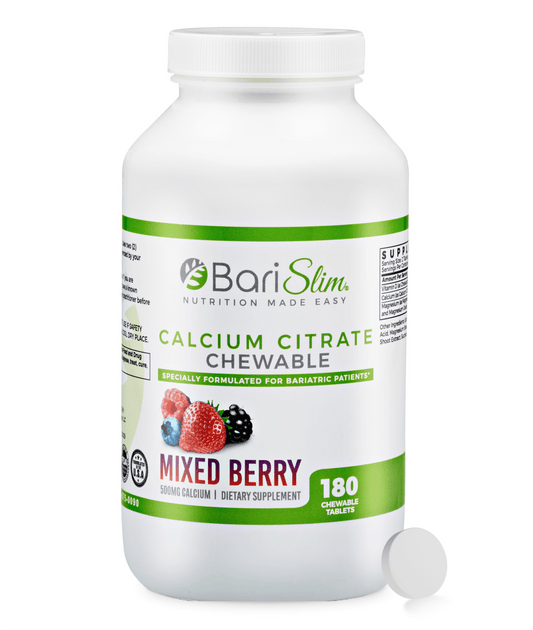
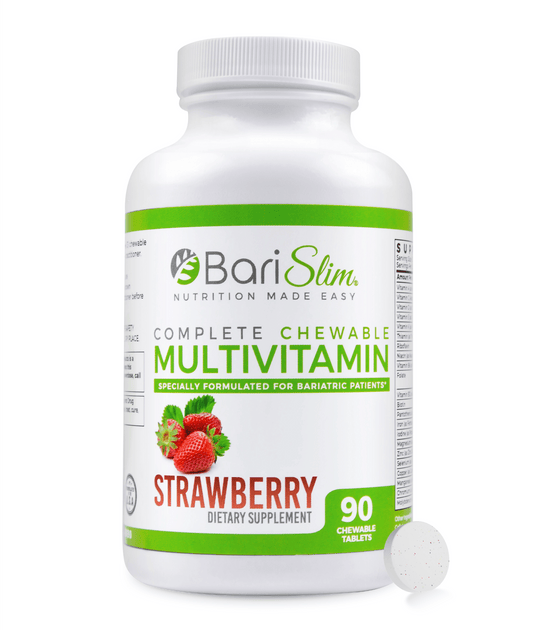
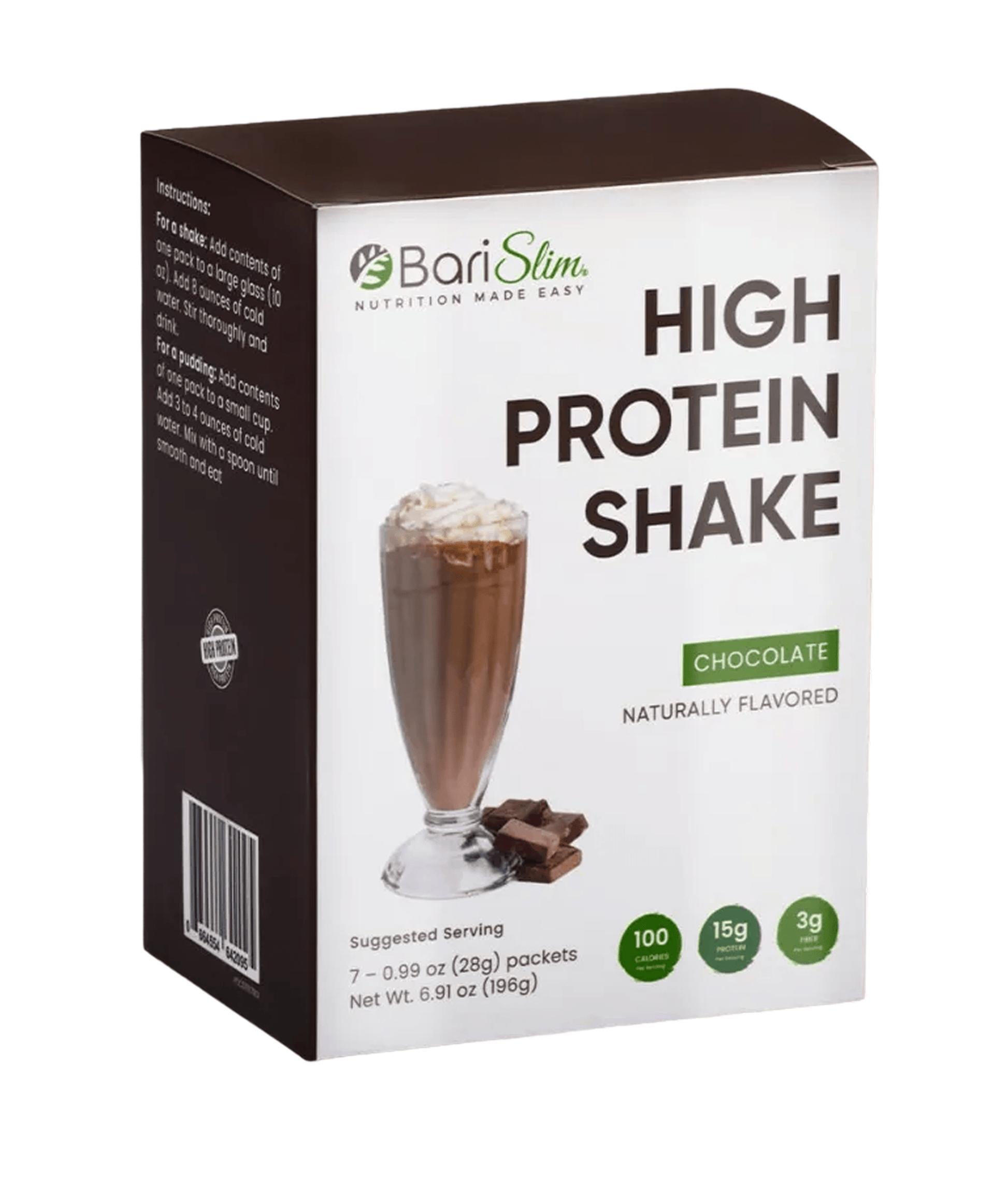
Choosing the right foods is an important part of your post-bariatric journey, but meeting your nutritional needs goes beyond meals alone. BariSlim makes it easier to support your daily nutrition with bariatric-focused vitamin supplements and protein options designed for life after weight loss surgery. From multivitamins and calcium to protein shakes, BariSlim offers convenient choices to help you stay consistent with your nutrition routine and support your ongoing wellness journey.
|
Support your post-bariatric nutrition with trusted solutions from BariSlim. Explore essential vitamins, supplements, and protein products designed for your wellness journey! |
FAQ’s About Eating Eggs After Bariatric Surgery
Can eggs cause stomach discomfort after bariatric surgery?
Yes, some people may experience discomfort, nausea, bloating, or fullness when eating eggs after surgery. Eating slowly, taking small bites, and stopping when you feel full may help. If discomfort continues, speak with your healthcare provider.
What should you do if you cannot tolerate eggs after bariatric surgery?
If eggs cause discomfort or you cannot tolerate them, do not force yourself to eat them. Discuss other protein-rich foods with your surgeon or registered dietitian to make sure you are still meeting your nutritional needs.
Can eggs cause constipation after bariatric surgery?
Eggs are low in fiber, so eating them without other fiber-containing foods may contribute to a diet that lacks enough fiber. Follow your bariatric diet plan and ask your healthcare provider about appropriate fiber and fluid intake if constipation becomes a concern.
How should you store and handle eggs after bariatric surgery?
Eggs should be handled and stored safely to reduce the risk of foodborne illness. Keep eggs refrigerated, avoid cracked or dirty shells, and cook eggs according to food-safety recommendations. Good food hygiene is especially important during recovery.
Are eggs suitable for people who experience food intolerance after bariatric surgery?
Egg tolerance can vary from person to person after surgery. If eggs consistently cause nausea, discomfort, vomiting, or other symptoms, stop eating them and discuss the issue with your healthcare provider.
Also Read: What Foods Can You Never Eat After Gastric Sleeve (List)