Order Free Sample


Hair loss after bariatric surgery can feel unexpected and alarming.
You go through surgery to improve your health, only to notice thinning hair within a few months. For many patients, this is one of the most stressful parts of recovery.
What makes it harder is how suddenly it can appear. You may start seeing more hair in the shower or on your pillow, without knowing if it will stop or get worse.
The reality is that hair loss after bariatric surgery is common, but it is not random. It is usually linked to changes in nutrition, rapid weight loss, and how your body responds to stress.
The good news is that in most cases, it can be managed and reduced with the right approach.
In this guide, you will learn why hair loss happens after bariatric surgery, when it typically starts, and what you can do to support hair health and reduce shedding over time.
Quick Summary
- Hair loss after bariatric surgery is common and usually temporary
- Shedding typically starts around 3 to 6 months after surgery
- Rapid weight loss and nutrient gaps are the main triggers
- Protein, iron, vitamin B12, and zinc play a key role in hair health
- Consistent supplementation helps reduce shedding and support regrowth
- Hair recovery takes time, but improves as your body stabilizes
- A simple, daily routine is the most effective way to stay on track
Who This Guide Is For
This guide is designed for:
-
Gastric sleeve patients adjusting to rapid weight loss and changing nutrition needs
-
Gastric bypass patients managing both reduced intake and nutrient absorption
- Anyone experiencing hair thinning or increased shedding after surgery
- Patients looking to support hair health and maintain consistency in their routine
Whether you are early in recovery or a few months post surgery, this guide helps you understand what is happening and how to respond with a simple approach.
Is Hair Loss Normal After Bariatric Surgery?
Hair loss after bariatric surgery is very common, and for most patients, it is a temporary and expected part of the recovery process.
Hair loss typically begins around 3 to 6 months after surgery.
This timing often catches people off guard because it happens after the initial recovery phase, when everything else may seem to be going well.
In most cases, this type of hair loss is known as telogen effluvium which happens when more of your hair enters the resting phase at the same time. Instead of growing as usual, those strands start to shed faster than normal.
It is usually your body reacting to stress. Surgery, rapid weight loss, and lower nutrient intake all play a role. During this time, your body focuses on essential functions, so hair growth takes a back seat.
The important thing to know is that this is usually temporary. As your body settles and your nutrition becomes consistent, hair growth starts to come back.
It can feel worrying when you notice the shedding, but it is a common phase and often improves with the right routine.
What Causes Hair Loss After Bariatric Surgery?
Hair loss after bariatric surgery is rarely caused by a single factor.
In most cases, it happens due to a combination of changes your body goes through during recovery. Understanding these causes can help you manage it more effectively and reduce the impact over time.
Rapid Weight Loss
As mentioned, one of the main triggers is rapid weight loss.
After surgery, your body can push more hair follicles into the resting phase, leading to increased shedding a few months later.
While weight loss is the goal of the surgery, the speed at which it happens can temporarily disrupt normal hair growth cycles.
Nutrient Deficiencies
After bariatric surgery, your body absorbs fewer nutrients. Even with careful eating, it can be difficult to get enough vitamins and minerals from food alone.
Deficiencies in nutrients like iron, vitamin B12, zinc, and folate are commonly linked to hair thinning. These nutrients play a role in supporting hair follicles and maintaining normal growth. When levels drop, hair may become weaker and shed more easily.
Reduced Protein Intake
Protein is essential for hair structure and growth. Since portion sizes are smaller after surgery, many patients struggle to meet their daily protein needs.
When protein intake is too low, your body prioritizes essential functions over hair growth. This can lead to increased shedding and slower regrowth.
Consistent protein intake is one of the most important factors in supporting hair health after surgery.
Physical Stress on the Body
Surgery itself is a form of physical stress. Your body needs time and resources to heal and adapt to these changes.
During this period, your system may shift energy away from non-essential processes like hair growth. This is part of the body’s natural response to stress and recovery.
In most cases, hair loss is not caused by just one of these factors, but a combination of all of them. The key is to support your body through consistent nutrition, proper supplementation, and a routine that helps restore balance over time.
Support Your Nutritional Needs
Hair health after bariatric surgery is closely tied to how consistently you support your body with the right nutrients. When intake is structured and reliable, it becomes easier to maintain overall balance during recovery.
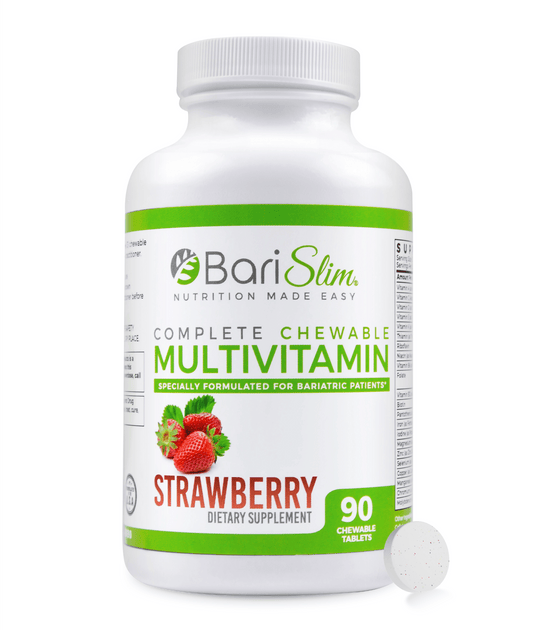
BariSlim Bariatric Multivitamins are designed specifically for post surgery needs, focusing on absorption, proper nutrient levels, and ease of use.
- Designed for bariatric patients
- Supports daily nutrient intake
- Helps maintain consistency over time
Is Hair Loss Caused by Weight Loss or Nutrient Deficiency?
Hair loss after bariatric surgery is not always caused by just one factor. In most cases, it is a combination of rapid weight loss and changes in nutrient intake.
Rapid weight loss can trigger a temporary shift in the hair growth cycle. This is often the main reason shedding starts a few months after surgery.
At the same time, low intake of key nutrients like protein, iron, and vitamins can make the shedding more noticeable or last longer. When your body does not get consistent nutritional support, it becomes harder to maintain normal hair growth.
The difference is important.
Hair loss triggered mainly by weight loss is usually temporary and improves as your body stabilizes. However, if nutrient intake remains low, hair thinning may continue for longer than expected.
This is why focusing only on time is not enough. Supporting your body with consistent nutrition and supplementation helps create the conditions for recovery.
In simple terms, weight loss may trigger the shedding, but nutrition determines how well your hair recovers.
How Long Does Hair Loss Last?
Hair loss after bariatric surgery usually follows a clear, predictable timeline:
3–6 months after surgery
Hair shedding typically begins during this phase as your body responds to earlier stress, rapid weight loss, and reduced nutrient intake.
6–9 months after surgery
Shedding usually starts to slow down as your body stabilizes and your nutrition becomes more consistent.
Beyond 9 months
Hair regrowth gradually begins. You may notice shorter, finer hairs at first as your hair cycle returns to normal.
While timelines can vary slightly, consistent nutrition and supplementation play the biggest role in how quickly recovery happens.
Protein Support

BariSlim's High Protein Shake fits best as part of a simple daily system, helping you stay consistent when food intake alone is not enough
- Supports daily protein intake
- Helps maintain muscle and hair structure
- Easy to incorporate into your routine
How to Help Support Hair Health After Bariatric Surgery
Hair health is closely tied to what your body is getting each day. When certain nutrients fall short, hair is often one of the first areas affected. The table below lists the key nutrients to focus on.
| Nutrient | Why It Matters |
|---|---|
| Protein | Supports hair structure and growth |
| Iron | Helps deliver oxygen to hair follicles |
| Vitamin B12 | Supports cell health and energy production |
| Zinc | Plays a role in maintaining healthy hair |
Maintain a Consistent Supplement Routine
A structured supplement routine helps ensure your body gets the nutrients it needs every day. Since absorption is reduced after surgery, consistency becomes more important than occasional intake.
Using bariatric specific formulas can help simplify your routine and reduce the risk of gaps over time.

BariSlim's All-in-One Chewable multivitamin can help support daily nutrient intake and make it easier to stay consistent.
- Supports daily nutrient intake
- Designed for bariatric patients
- Easy to stay consistent
Focus on Protein Intake
Protein is essential for maintaining hair structure and supporting recovery. Because portion sizes are smaller after surgery, it can be difficult to meet your daily protein needs through food alone.
Making protein a consistent part of your routine helps support hair health and overall recovery. Even small, regular intake throughout the day can make a difference over time.
Stay Consistent Over Time
Hair growth cycles take time to adjust. Even when you are doing everything right, improvements may not be immediate.
The key is to stay consistent with your routine. Over time, as your body stabilizes and nutrient intake becomes more reliable, hair growth typically begins to recover.
What to Expect During Recovery
Hair loss after bariatric surgery can feel alarming, especially when it starts suddenly. You may notice more hair falling out during showers or brushing, which can create unnecessary stress.
In most cases, this phase is temporary.
It is part of how your body responds to rapid changes in weight, nutrition, and recovery.
As your body begins to adjust and your nutrient intake becomes more consistent, shedding typically slows down. Over time, hair growth resumes as your system stabilizes.
The key is to stay patient and focus on supporting your body through a simple, consistent routine.
Best Supplements for Hair Health After Bariatric Surgery
Supporting hair health after bariatric surgery comes down to covering key nutrient gaps consistently.
Multivitamin
Provides broad nutrient coverage and helps prevent common deficiencies that affect hair health.
Protein
Supports hair structure and growth. Essential for maintaining strong, healthy hair.
Iron
Helps deliver oxygen to hair follicles and supports normal growth cycles.
Biotin (Optional)
May support hair strength, but works best when combined with overall nutrient balance rather than used alone.
Common Mistakes That Can Make Hair Loss Worse
Small gaps in your routine can make hair loss more noticeable over time. Most issues come from inconsistency rather than a single mistake.
Not meeting protein goals
Low protein intake can affect hair structure and slow recovery, making shedding more noticeable.
Skipping supplements
Missing daily supplements can lead to nutrient gaps that impact hair health over time.
Inconsistent routines
Taking supplements irregularly or without structure makes it harder to maintain stable nutrient levels.
Ignoring early signs of deficiencies
Symptoms like fatigue, low energy, or hair thinning are often early indicators. Addressing them early can help prevent further impact.
Keeping your routine simple and consistent helps reduce these risks and supports long term recovery.
Frequently Asked Questions
Is hair loss permanent after bariatric surgery?
In most cases, hair loss is temporary. It usually improves as your body stabilizes and nutrient intake becomes consistent.
When does hair loss start?
Hair loss typically begins around 3 to 6 months after surgery, once the body responds to earlier changes.
How can I support hair health?
Focusing on consistent protein intake and daily supplementation helps support overall hair health during recovery.
How long does it take to grow back?
Hair regrowth usually begins gradually as your body stabilizes. The timeline can vary, but consistency plays a key role.
What’s the best way to stay consistent?
Following a simple daily routine makes it easier to stay on track and maintain steady nutrient intake over time.
Support Your Body During Recovery
Hair loss after bariatric surgery can feel stressful, especially when it happens unexpectedly. The good news is that in most cases, it is temporary and improves as your body stabilizes.
What makes the biggest difference is consistency.
Supporting your body with the right nutrients and a simple daily routine helps maintain balance during recovery and reduces the impact over time.