Order Free Sample


Hair loss while using GLP-1 medications like Ozempic or Wegovy can feel unexpected and difficult to manage. You may start to notice more hair shedding in the shower or see gradual thinning over time, even if everything else in your routine feels on track.
This experience is more common than it seems, especially as your body adjusts to changes in appetite, nutrition, and weight. While it can feel concerning, this type of hair loss is often temporary and linked to how your body is adapting.
The good news is that with the right support and a consistent routine, you can help maintain your hair health during this phase. Small adjustments to your daily habits can make a meaningful difference over time.
This guide explains why hair loss on GLP-1 medications happens, how long it may last, and what you can do to support your body as it stabilizes.
Quick Summary
- Hair loss on GLP-1 medications is often linked to weight loss, reduced intake, and routine changes
- This type of shedding is usually temporary and improves as the body stabilizes
- Common causes include low protein intake, nutrient gaps, and inconsistent eating patterns
- Hair loss typically begins after a delay and follows a gradual recovery cycle
- Protein, iron, B12, and zinc play key roles in supporting hair health
- A consistent supplement and nutrition routine helps maintain balance over time
- Simple daily habits are the most effective way to support long term hair health
Who This Guide Is For
This guide is designed for:
- Ozempic users
- Wegovy users
- Semaglutide users
- Anyone experiencing hair thinning
Is Hair Loss Common on GLP-1 Medications?
Hair loss can occur for some individuals using GLP-1 medications, especially during periods of rapid change in diet and weight. While not everyone experiences it, increased shedding or thinning can happen as your body adjusts to a new routine.
In most cases, this is not caused directly by the medication itself, but by the changes that come with it.
Hair loss on GLP-1 medications is typically linked to:
- Rapid weight loss: Sudden changes in body weight can shift the hair growth cycle
- Reduced nutrient intake: Lower food intake can lead to gaps in essential nutrients needed for hair health
- Changes in routine: Irregular eating patterns and inconsistent intake can affect overall balance
What Causes Hair Loss on GLP-1 Medications?
Hair loss on GLP-1 medications is rarely caused by a single factor. Instead, it is usually the result of multiple changes happening at the same time.
These changes can affect the hair growth cycle, nutrient availability, and overall stability within the body. Understanding these causes helps you take a more structured and supportive approach.
Rapid Weight Loss
One of the most common triggers for hair shedding is rapid weight loss.
When your body experiences a sudden change in weight, it can shift more hair follicles into a resting phase. This process is often associated with telogen effluvium, where shedding increases a few months after the initial trigger.
This is not permanent hair loss. It is your body responding to a period of change.
The faster the weight loss, the more noticeable this shift can be. This is why individuals on GLP-1 medications may experience temporary thinning, especially during the early phases.
Low Protein Intake
Protein plays a direct role in the structure of hair. Hair is primarily made of keratin, a protein that requires consistent intake to support normal growth.
When appetite decreases, protein is often one of the first nutrients to fall behind. Smaller meals and reduced portions can make it difficult to meet daily protein needs without a structured approach.
Over time, insufficient protein intake may lead your body to prioritize essential functions over hair growth. This can result in increased shedding or slower regrowth.
Protein Support A simple, easy-to-use protein option can help support consistency without adding complexity to your routine.
- Helps maintain protein intake when appetite is low
- Easy to include between meals or on busy days
- Supports hair structure and growth
- Fits into a simple, consistent routine without extra effort
Nutrient Deficiencies
Hair growth depends on a consistent supply of key vitamins and minerals. When food intake decreases, it becomes harder to maintain adequate levels through diet alone.
Some of the most relevant nutrients for hair support include:
- Iron: Supports oxygen delivery to hair follicles
- Vitamin B12: Supports cell function
- Zinc: Supports hair tissue health
- B vitamins: Support overall hair function
Even small gaps in these nutrients can affect how your hair grows over time. Because these deficiencies build gradually, the impact is often delayed.
This is why consistent intake matters more than occasional supplementation.
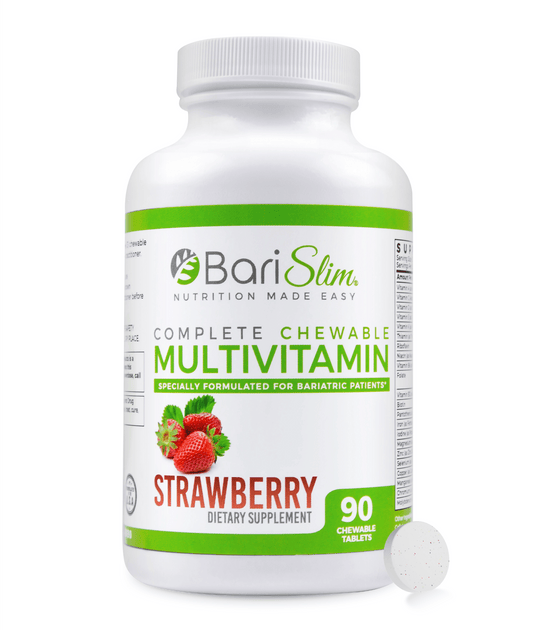
Daily Multivitamin

A high-quality multivitamin can help support your daily nutrient intake while on GLP-1 medications.
As appetite decreases and portions become smaller, having a consistent foundation makes it easier to maintain balance without needing to track every nutrient individually.
- Supports daily nutrient intake with reduced food consumption
- Designed for consistent use alongside GLP-1 medications
- Helps simplify your routine
Reduced Calorie Intake
GLP-1 medications reduce appetite, which naturally leads to lower calorie intake.
While this supports weight management, it also reduces the total amount of nutrients your body receives each day. Even with balanced food choices, smaller portions may not provide enough overall support.
When calorie intake drops, your body may shift its focus toward essential systems rather than hair growth.
Changes in Eating Patterns
GLP-1 medications also change how you eat.
Meals may become irregular, smaller, or skipped entirely. This makes nutrient intake less predictable and harder to maintain consistently.
Without structure, it becomes easy to:
- Miss key nutrients across the day
- Under consume protein
- Fall behind on hydration
These small inconsistencies can build over time and contribute to hair shedding.
Physiological Stress on the Body
Even intentional weight loss represents a change your body needs to adapt to.
During this adjustment, more hair follicles may shift into the resting phase associated with telogen effluvium. This is why shedding often appears later rather than immediately, even when your routine feels stable.
This response is temporary and reflects how your body prioritizes essential functions during periods of change.
Hydration and Electrolyte Balance
Hydration, and electrolytes in general, supports overall cellular function, including the environment that supports hair follicles.
GLP-1 medications may reduce thirst, making it easier to fall behind on fluid intake. While not a direct cause, inconsistent hydration can contribute to overall imbalance.
How Long Does Hair Loss Last?
Hair loss on GLP-1 medications does not usually happen immediately. It often begins a few weeks to a few months after changes in weight, intake, or routine.
This delay is due to the natural hair growth cycle. When your body experiences a shift, more hair enters a resting phase before shedding becomes visible.
In most cases, the pattern follows a gradual progression:
- Begins after changes in weight or intake: Shedding typically starts after your body has already adjusted to reduced appetite or calorie intake
- Slows over time: Hair shedding may increase temporarily, then gradually decrease as your body adapts
- Improves as your body stabilizes: As your routine becomes more consistent, the hair growth cycle begins to normalize
For many individuals, hair growth returns as routines improve and nutrient intake becomes more stable.
What Recovery Typically Looks Like
Recovery is gradual and happens over time as your body adjusts.
You may begin to notice:
- Reduced shedding during washing or brushing
- Improved hair thickness over time
- New growth along the hairline or part
Hair growth cycles take time, so improvements are usually steady rather than immediate.
Why Hair Shedding Happens After Weight Loss
Hair loss after starting GLP-1 medications is often linked to a process called telogen effluvium.
When your body goes through rapid weight loss or changes in nutrient intake, more hair follicles shift into a resting phase. This does not happen immediately.
Shedding typically begins around 6 to 12 weeks after the initial change, which is why it can feel unexpected.
This process is temporary. As your body adjusts and your routine becomes more consistent, the hair growth cycle gradually returns to normal.
How to Help Support Hair Health on GLP-1
Supporting hair health on GLP-1 medications comes down to consistency. As intake and routine change, focusing on key nutrients and simple habits helps maintain balance over time.
| Nutrient | Why It Matters |
|---|---|
| Protein | Supports hair structure |
| Iron | Supports oxygen delivery |
| Vitamin B12 | Supports cell function |
| Zinc | Supports overall hair health |
1. Maintain a Consistent Supplement Routine
A structured routine helps maintain steady nutrient intake, especially when meals are smaller or inconsistent.
Consistency matters more than perfection. Small, daily intake supports balance over time.
2. Prioritize Protein Intake
Protein is one of the most important factors for hair support. Lower intake is common on GLP-1 medications, so being intentional helps maintain consistency.
Simple additions throughout the day can make it easier to meet your needs without relying on large meals.
3. Stay Consistent Over Time
Hair growth cycles take time to adjust. Improvements do not happen immediately, but consistency supports gradual recovery.
A simple routine followed daily is more effective than short term changes.
Common Mistakes That Can Make Hair Loss Worse
Small gaps in your routine can make hair shedding more noticeable over time, especially when intake and habits are already changing.
- Not meeting protein goals: Low protein intake can affect hair structure and slow recovery
- Skipping supplements: Inconsistent nutrient intake makes it harder to maintain balance
- Inconsistent routine: Irregular habits can lead to gaps in daily support
- Ignoring nutrient intake: Reduced appetite can make it easy to fall behind without noticing
When to Seek Additional Support
While hair loss on GLP-1 medications is often temporary, there are situations where additional support may be helpful.
- Hair shedding continues beyond several months without improvement
- Hair loss becomes patchy rather than diffuse
- You notice other symptoms like extreme fatigue or weakness
In these cases, reviewing your nutrient intake and overall routine can help identify potential gaps.
Frequently Asked Questions
Does Ozempic cause hair loss?
Hair loss may occur for some individuals using GLP-1 medications. It is often related to weight loss, reduced intake, and changes in routine rather than the medication itself.
Is hair loss permanent?
In many cases, hair loss is temporary. As your body stabilizes and your routine becomes more consistent, hair growth typically improves over time.
How can I support hair health?
Maintaining protein intake, following a consistent supplement routine, and supporting overall nutrition can help maintain balance as your body adjusts.
How long does it last?
Hair shedding usually improves gradually as your routine stabilizes. Recovery timelines vary, but consistency supports the process.
What’s the easiest way to stay consistent?
A simple daily routine that fits into your schedule is the most effective approach. Keeping things structured and easy to follow helps maintain long term consistency.
Support Your Routine During Changes
Hair loss while using GLP-1 medications can feel frustrating, but it is often part of your body adjusting to change.
With a simple, consistent routine, you can support your nutrient intake, maintain balance, and stay on track as your body stabilizes. Build a routine that works for you and supports your progress every day.