Order Free Sample


After bariatric surgery, your body no longer absorbs nutrients the way it used to.
This shift increases the risk of nutrient deficiencies—often showing up as fatigue, hair thinning, low energy, or weakened bone health, sometimes within months if supplementation is inconsistent. For most patients, this makes daily supplementation a non-negotiable part of long-term care.
But knowing what to take isn’t always straightforward.
With so many options available, many people end up relying on standard supplements that aren’t designed for post-surgery needs. These often fall short in absorption, dosage, and overall nutrient coverage, making it harder to stay consistent over time.
Choosing the best supplements after bariatric surgery means focusing on formulas built for reduced absorption, especially after procedures like gastric sleeve or gastric bypass.
In this guide, we’ll break down the key supplements your body needs, what to look for in high-quality bariatric formulas, and how to build a simple, consistent routine that supports long-term health.
Quick Summary
After bariatric surgery, your body absorbs fewer nutrients, which makes daily supplementation essential for long-term health.
- Bariatric-specific supplements are designed for better absorption
- A multivitamin provides core daily nutrient coverage
- Calcium citrate supports bone health and absorbs well after surgery
- Protein supplements help maintain muscle and support recovery
- Iron, vitamin B12, and vitamin D help support energy and overall function
- A simple, consistent routine is key to avoiding deficiencies
Who This Guide Is For
This guide is designed for anyone navigating life before or after surgery.
-
Gastric sleeve patients who need support due to reduced food intake
-
Gastric bypass patients with both reduced intake and absorption
-
Patients preparing for surgery who want to build the right habits early
-
Anyone experiencing nutrient deficiencies such as fatigue, hair loss, or low energy
Whether you’re just starting your journey or adjusting to life after surgery, understanding your supplement needs can help you stay consistent and avoid long-term complications.
What to Look for in Bariatric Supplements
Not all supplements are designed for post-surgery needs. Choosing the right ones comes down to a few key factors that directly affect how well your body absorbs and uses nutrients.
Absorption Matters
After bariatric surgery, your body absorbs nutrients less efficiently. This makes the form of each nutrient more important. For example, calcium citrate is generally better absorbed than other forms, and easily absorbable vitamin B12 options are often preferred.
Higher Nutrient Levels
Bariatric supplements are usually formulated with higher levels of key nutrients compared to standard over-the-counter options. This helps compensate for reduced intake and absorption, ensuring your body gets what it needs consistently.
Ease of Use
Your routine should be easy to follow every day. Some patients prefer chewable supplements in the early stages, while others transition to capsules over time. The best option is the one you can take consistently without friction.
Complete vs. Fragmented Systems
Managing too many supplements individually can become difficult over time. A more structured approach, where key nutrients are designed to work together, can help simplify your routine.
What Are the Best Supplements After Bariatric Surgery?
The best supplements after bariatric surgery are those that address the most common nutrient gaps caused by reduced intake and changes in absorption.
The most effective options are designed with absorption, dosage, and ease of use in mind. Most bariatric supplement plans include:
Bariatric multivitamin
These multivitamins provide broad nutrient coverage in one formula and are designed with higher levels of key nutrients to match post-surgery needs.
Look for bariatric-specific formulas that provide higher nutrient levels and are designed for improved absorption. This helps reduce the need for multiple supplements while ensuring consistent daily coverage.
Calcium citrate
Supports bone health and is easier to absorb than other forms of calcium, especially after surgery. It's preferred due to its higher absorption in low-acid conditions. Splitting doses throughout the day can further improve how well your body utilizes it.
Iron
Iron supports energy levels and helps maintain healthy oxygen flow in the body. After bariatric surgery, both intake and absorption may decrease, especially in gastric bypass patients.
Taking iron consistently and spacing it away from calcium helps improve absorption and effectiveness.
Vitamin D
Vitamin D works alongside calcium to support bone health and helps your body absorb calcium effectively.
Consistent intake is important, as low levels can reduce how well your body utilizes calcium over time.
Vitamin B12
Vitamin B12 plays an important role in nerve function and energy production. After surgery, your body may not absorb B12 efficiently through food alone.
Supplementing with easily absorbable forms helps maintain stable levels and supports overall function.
Protein supplements
Help support muscle maintenance and recovery, especially when protein intake from food is limited. Many patients aim for 60–80g of protein per day, depending on your individual needs.
These factors are what separate standard supplements from bariatric-specific formulas. Choosing products designed with these considerations in mind can make a significant difference in how well your routine works long term.
Why Standard Supplements Often Fall Short
Standard supplements are not designed for reduced absorption post-surgery. They often contain lower nutrient levels and forms that are harder to absorb, making it difficult to maintain consistent nutrient intake over time.
They also often use forms of nutrients that rely on normal digestion, which may not work as effectively after surgery. Over time, this can make it harder to maintain stable nutrient levels.
Recommended Bariatric Supplement System
After bariatric surgery, the biggest challenge is not just choosing the right supplements—it’s staying consistent with them.
The BariSlim supplement collection removes the complexity of managing multiple supplements separately. This is especially helpful if you find it difficult to track multiple supplements or stay consistent with timing and dosage.
-
Designed specifically for bariatric patients
-
Supports daily nutrient intake with appropriate coverage
-
Built for simplicity and long-term consistency
Why Supplements Are Important After Bariatric Surgery
After bariatric surgery, your body begins to process food very differently. While these changes support weight loss, they also reduce how efficiently your body absorbs essential nutrients. Because of this, supplementation becomes an important part of maintaining long-term health.
Reduced Nutrient Absorption After Surgery
After surgery, the stomach is smaller, and in some cases, parts of the digestive system are bypassed. This limits how much food you can eat and how well your body absorbs nutrients. Even with balanced meals, your body may not fully absorb essential vitamins and minerals.
Increased Risk of Nutrient Gaps
Because you’re eating less and absorbing fewer nutrients, meeting your daily needs becomes more difficult.
Over time, this can lead to deficiencies in key nutrients such as iron, vitamin B12, calcium, and vitamin D. These nutrients play a role in supporting energy, bone health, and overall body function.
Why Long-Term Supplementation Is Necessary
Supplementation helps bridge these gaps by providing nutrients in forms and amounts that better match post-surgery needs. Bariatric supplements are designed to support consistent intake, even when appetite is reduced or food choices are limited.
These recommendations are generally aligned with guidance from the American Society for Metabolic and Bariatric Surgery (ASMBS), which emphasizes the importance of ongoing supplementation to help maintain proper nutrient levels after surgery.
What Happens If You Don’t Take Supplements?
When supplements are skipped or taken inconsistently, nutrient levels can gradually decline over time. These changes are often slow, which makes them easy to overlook in the beginning.
One of the earliest signs is fatigue. When your body is low on nutrients like iron or vitamin B12, energy levels can drop, even if you’re getting enough rest. You may start to feel more tired during the day or notice reduced stamina.
Hair thinning is another common concern. This is often linked to low levels of nutrients such as protein, iron, or certain vitamins. While it can feel alarming, it’s usually a sign that your body is not getting consistent nutritional support.
Over time, more noticeable issues can develop. Weakness and difficulty maintaining muscle mass may occur when protein and nutrient intake are not sufficient. Bone health can also be affected, especially if calcium and vitamin D intake is low, which may increase the risk of long-term complications.
The immune system may also be impacted. Without adequate nutrient support, your body may find it harder to maintain normal immune function and respond to everyday stressors.
These issues don’t happen overnight. They build gradually, which is why consistency matters more than perfection.
How to Choose the Right Bariatric Supplements
Choosing the right supplements after bariatric surgery comes down to how well they match your body’s new needs and how easy they are to take consistently.
Look for Bariatric Specific Formulas
Standard supplements are not designed for reduced absorption. Bariatric specific formulas are created with higher nutrient levels and forms that your body can use more effectively after surgery.
This helps ensure you are actually getting the nutrients your body needs, not just taking them.
Prioritize Absorption
After surgery, absorption becomes the most important factor. Certain forms of nutrients work better than others.
For example, calcium citrate is easier to absorb than other forms, and some forms of vitamin B12 are more effective than standard tablets. Choosing the right forms can make a significant difference over time.
Check Nutrient Coverage
A good supplement should cover the most common nutrient gaps after bariatric surgery. This typically includes iron, vitamin B12, vitamin D, and other essential nutrients.
Using a complete multivitamin can help reduce the need for multiple separate supplements and simplify your routine.
Choose What You Can Take Consistently
Even the best supplement will not work if you do not take it regularly. Format matters more than most people expect.
Some patients prefer chewables in the beginning, while others prefer capsules later. The right choice is the one that fits easily into your daily routine.
Keep Your Routine Simple
Managing too many separate supplements can become difficult over time. A simpler system makes it easier to stay consistent and reduces the chances of missing doses.
Look for options that work well together and support a structured routine without adding complexity.
Focus on Long Term Consistency
Bariatric supplementation is not short term. It is part of your long term health.
Choosing supplements that are easy to maintain every day will have a bigger impact than choosing something that is difficult to follow consistently.
Key Supplements Bariatric Patients Need
After bariatric surgery, a well-structured supplement routine supports daily nutrient intake and long-term health. Most routines are built around a few essential supplements that work together to address common nutrient gaps.
Bariatric Multivitamin
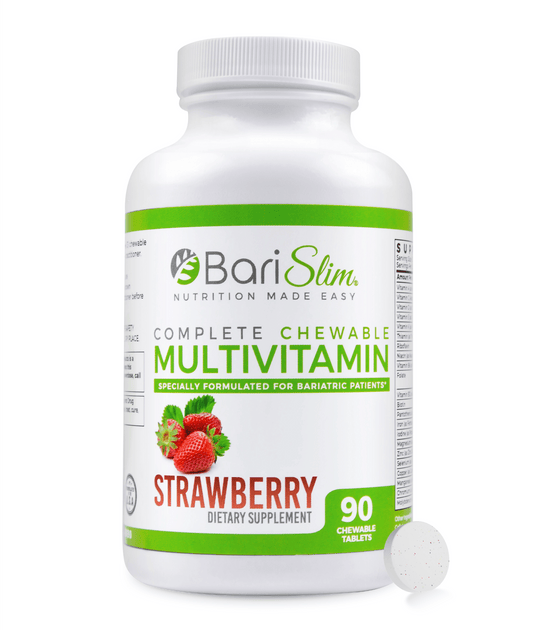
A bariatric multivitamin is the foundation of any supplement routine. It provides broad coverage of essential vitamins and minerals in one formula, helping reduce the need for multiple separate supplements.
Bariatric-specific formulas are designed with higher nutrient levels and improved absorption in mind. A formula like BariSlim Complete Multivitamin helps simplify your routine while supporting consistent daily intake.
Calcium (Calcium Citrate)
Calcium plays an important role in maintaining bone health after bariatric surgery. Because calcium absorption may be reduced, consistent supplementation becomes important for long-term support.
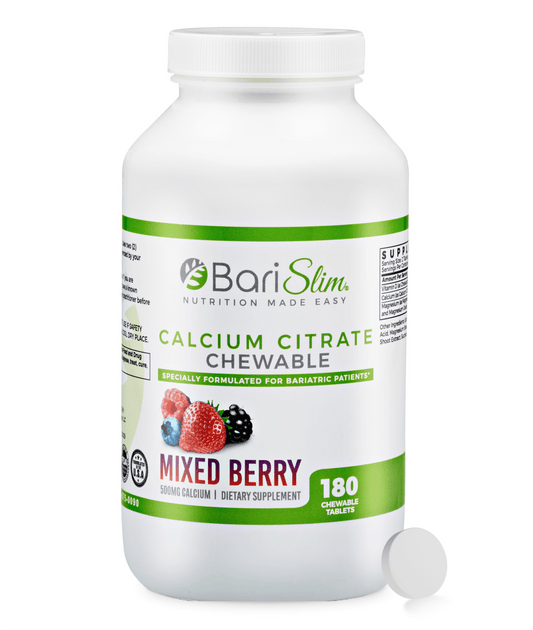
Calcium citrate is the preferred form for bariatric patients, as it is more easily absorbed in lower-acid conditions compared to other forms of calcium.
Recommended Calcium Supplement

A bariatric-specific option like BariSlim Calcium Citrate is designed to support absorption and make it easier to meet daily calcium needs without adding complexity to your routine.
-
Supports bone health
-
High absorption formula
-
Made for bariatric patients
Protein Supplements
Protein plays an important role in maintaining muscle mass and supporting recovery after bariatric surgery. Since food intake is reduced, it can be difficult to meet daily protein needs through meals alone.
This is where protein supplements can help. They provide a convenient way to support daily intake without requiring large portions, making them especially useful during recovery and busy routines.

A bariatric-friendly option like BariSlim's High Protein Shake is designed to be easy to incorporate into your day. It helps support consistent protein intake while keeping your routine simple and manageable.
-
Supports muscle maintenance
-
Helps meet daily protein goals
-
Easy to include in a daily routine
Bariatric Supplements Comparison
The table below highlights the best supplements after bariatric surgery and what to look for when choosing each one.
| Supplement | Why It’s Important | What to Look For |
|---|---|---|
| Multivitamin | Daily nutrient coverage | Bariatric-specific formula |
| Calcium Citrate | Supports bone health | High absorption |
| Protein | Supports muscle maintenance | Easy digestion |
| Iron | Supports energy levels | Gentle form |
| Vitamin B12 | Supports nerve function | High bioavailability |
Focusing on absorption, appropriate dosage, and ease of use can help you select supplements that fit into your routine and support long-term consistency.
Rather than choosing products without a plan, this comparison helps you understand how each supplement contributes to your overall routine.
Bariatric Supplement Guidelines
After bariatric surgery, supplementation is typically based on established bariatric nutrition guidelines, including those from the American Society for Metabolic and Bariatric Surgery (ASMBS). While individual needs may vary, most routines follow these recommended ranges:
-
Multivitamin: Daily (bariatric-specific formula)
-
Calcium (citrate): 1,200–1,500 mg per day (split into doses)
-
Protein: Based on individual needs and intake
-
Iron: As needed, depending on risk and lab results
-
Vitamin D: Daily, often alongside calcium
Following these ranges helps support consistent nutrient intake and reduces the risk of deficiencies over time.
How to Build a Bariatric Supplement Routine
Morning: Multivitamin with your first meal
Midday: Calcium
Evening: Calcium, Iron (if needed, taken separately from calcium)
Optional: Protein supplement to support daily intake
Spacing supplements throughout the day helps improve absorption and reduces nutrient interactions.
Common Mistakes Bariatric Patients Make
Adjusting to a supplement routine after bariatric surgery takes time.
With so many changes happening at once, it’s normal to feel unsure in the beginning. However, a few common mistakes can make it harder to stay consistent and maintain proper nutrient levels over time.
Inconsistent Supplementation
One of the most common challenges is inconsistent supplementation. Skipping doses or forgetting to take supplements regularly can lead to gradual nutrient gaps. Since deficiencies develop slowly, it’s easy to overlook the impact at first.
Choosing Non-Bariatric Formulas
Another issue is choosing standard supplements instead of bariatric-specific formulas. While they may seem similar, regular vitamins are often not designed for reduced absorption after surgery. This can make it difficult to meet your body’s actual needs.
Not Meeting Protein Intake Goals
Not meeting protein intake goals is also common, especially during the early stages when appetite is low. Protein plays an important role in maintaining muscle and supporting recovery, so finding simple ways to include it in your routine can make a difference.
Not Spacing Supplements Properly
Timing is another factor that’s often overlooked. Not spacing supplements properly—such as taking calcium and iron together—can affect how well your body absorbs each nutrient.
Keep Your Routine Simple
The good news is that these challenges are manageable. Building a simple, structured routine helps reduce confusion and makes it easier to stay consistent over time.
Frequently Asked Questions
Do I need supplements for life after bariatric surgery?
Yes. Most bariatric patients require long-term supplementation because nutrient absorption is reduced after surgery.
What’s the difference between vitamins and supplements?
Vitamins are a type of supplement. A complete supplement routine may also include additional support, such as protein, depending on your individual needs.
How do I know what supplements I need?
Following general bariatric guidelines and reviewing lab results with your healthcare provider can help you build a routine that fits your specific needs.
What’s the easiest way to stay consistent?
Keeping your routine simple is key. Using a structured plan or a complete supplement system can help reduce guesswork and make daily habits easier to follow.
Can I adjust my supplement routine over time?
Yes, many patients adjust their routine as their needs change. Regular monitoring helps ensure your supplementation stays aligned with your health and progress.
Build Your Daily Bariatric Supplement Routine
Consistency is what drives long-term results after bariatric surgery. The right supplements help support daily nutrient intake, reduce the risk of deficiencies, and make your routine easier to maintain over time.
Choose bariatric supplements designed for absorption, simplicity, and long term use so you do not have to guess or adjust later.
Take the next step now. Set up your routine, stay consistent, and give your body the support it needs to maintain your progress.