Order Free Sample


Constipation after bariatric surgery is a common issue that many patients experience, especially during the early stages of recovery.
You may notice fewer bowel movements, discomfort, or changes in your usual digestive pattern. This can feel frustrating, particularly when you are already adjusting to new eating habits.
These changes are usually linked to reduced intake, lower fiber, hydration changes, and how your digestive system adapts after surgery. Because your routine has changed, your body may take time to adjust.
The good news is that constipation after bariatric surgery can be improved with simple, consistent habits.
By understanding the causes and making small adjustments to your daily routine, you can support better digestive consistency over time.
Quick Summary
Constipation after bariatric surgery is common due to reduced intake and digestive changes
- Lower fiber and fluid intake can affect bowel movements
- Supplement routines may influence digestion
- Staying hydrated supports digestive consistency
- Gradually increasing fiber helps support regularity
- A simple daily routine improves long term digestive habits
Who This Guide Is For
This guide is designed for:
- Gastric sleeve patients
- Gastric bypass patients
- Anyone experiencing constipation or digestive changes after bariatric surgery
- Patients looking to improve bowel movement consistency
Is Constipation After Bariatric Surgery Normal?
Yes, constipation after bariatric surgery is common, especially in the early stages as your body adjusts to new eating and digestion patterns.
It can happen due to:
- Reduced food intake, which leads to less digestive movement
- Changes in digestion, as your body processes food differently after surgery
- Lower fiber intake, since portion sizes are smaller and food choices may be limited
- Supplement routines, which can affect digestion when intake or timing changes
What Causes Constipation After Bariatric Surgery?
As mentioned, constipation after bariatric surgery is usually caused by a combination of factors.
These changes slow down how your body processes food and how often you have bowel movements.
Because your body is adjusting to a new routine, even small shifts in intake and habits can have a noticeable impact on digestion.
Reduced Food Intake
After surgery, portion sizes become much smaller. While this is expected, it also means there is less material moving through your digestive system.
When food intake is lower, the natural movement of the intestines slows down, which can lead to less frequent bowel movements.
In addition, your body is adapting to a new way of processing food.
With fewer meals and smaller portions, digestion may not be as active as it was before surgery. This reduced activity can make it easier for stool to move more slowly through the system.
Over time, as your eating pattern becomes more consistent, your digestive system often adjusts. However, in the early stages, reduced intake is one of the most common reasons for constipation after bariatric surgery.
Low Fiber Intake
Fiber plays an important role in supporting regular bowel movements. After bariatric surgery, fiber intake often decreases because patients are eating less overall and may avoid certain high-fiber foods that feel harder to tolerate.
Foods like whole grains, fruits, and vegetables are common sources of fiber, but these may be limited during early recovery.
Without enough fiber, stool can become harder and more difficult to pass, which contributes to constipation.
Gradually increasing fiber intake as your body allows can help support digestive consistency. Small, steady adjustments are usually more effective than large changes, especially while your system is still adapting.
Dehydration
Fluid intake is one of the most important factors in digestion. After bariatric surgery, it can be more difficult to drink enough fluids throughout the day due to smaller stomach capacity and new eating guidelines.
When fluid intake is low, the body absorbs more water from the digestive tract, which can make stool harder and slower to pass.
This is a common contributor to constipation, especially if hydration is inconsistent.
Making hydration part of your day is often one of the simplest ways to improve digestive consistency.
Supplement Changes
After surgery, most patients begin a structured supplement routine. While these supplements are important for supporting overall health, some changes in intake or timing can affect digestion.
For example, certain supplements may contribute to slower bowel movements if they are not balanced with enough fluids or fiber. Inconsistent supplement routines can also disrupt how your body processes nutrients and maintains digestive balance.
How to Relieve Constipation After Bariatric Surgery
Improving digestion after bariatric surgery comes down to building simple habits that support your body consistently.
Since you’re eating less and absorbing nutrients differently, small daily actions can have a noticeable impact on how your digestive system functions.
Stay Hydrated
Drinking enough fluids is one of the most important factors in supporting digestion. After surgery, it can be harder to consume larger amounts of water at once, which often leads to lower overall intake throughout the day.
When hydration is low, your body pulls more water from the digestive tract. This can make stool harder and more difficult to pass.
Staying hydrated helps keep digestion moving more smoothly and supports regular bowel movements.
A simple way to stay consistent is to sip fluids throughout the day rather than drinking large amounts at once.
Building this into your routine can help maintain steady hydration and support digestive comfort.
Focus on Fiber Intake
Fiber plays a key role in supporting regular digestion, but intake is often lower after surgery. Smaller portions and changes in food tolerance can make it difficult to include enough fiber-rich foods in your meals.
Gradually increasing fiber makes digestive consistency easier. Adding small amounts over time allows your body to adjust without causing discomfort.
Foods like vegetables, fruits, and other fiber sources can be introduced based on what feels manageable for you.
Fiber consistency matters more than large increases. Keeping your intake steady each day can help support more regular bowel movements over time.
Maintain a Consistent Routine
Without a routine, it becomes easier to miss fluids, skip supplements, or eat irregularly. Even small gaps can make a difference and affect how your digestive system functions.
Example Daily Routine
-
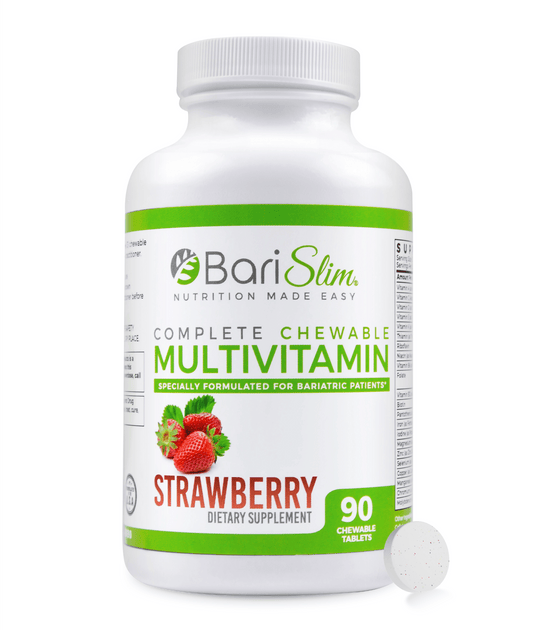
Morning: Water + bariatric multivitamin (foundation for daily nutrients)
-
Midday: Fluids + fiber-focused meal (supports digestive movement)
-
Evening: Light meal + continued hydration (helps maintain consistency)
- Optional: Protein support between meals (helps maintain overall intake)
Building a simple daily routine helps remove guesswork. When hydration, fiber intake, and supplements are taken at consistent times, your body can adjust more easily and maintain better digestive balance.
Stay Active
Movement plays an important role in supporting digestion after bariatric surgery. When your body stays inactive for long periods, digestion can slow down.
This can make it more difficult for stool to move through the system, which may contribute to constipation.
You do not need intense exercise to see benefits.
Simple activities like walking, stretching, or staying lightly active throughout the day can help support digestive function and improve overall comfort.
These habits work best when combined into a simple daily system rather than followed inconsistently.
When Constipation Might Need Attention
If your constipation continues despite consistent hydration, fiber intake, and a structured routine, it may need closer attention.
Infrequent or uncomfortable bowel movements can indicate that your current intake or routine is not fully supporting your digestive needs. Small gaps in hydration, fiber, or consistency can build up and affect how your body functions.
You should also pay close attention to how constipation is affecting your daily routine. Ongoing discomfort, bloating, or difficulty passing stool can make it harder to stay active and maintain normal habits.
What to Expect Over Time
Digestive changes are common in the early stages after bariatric surgery.
As your body adjusts to smaller portions, new eating patterns, and changes in digestion, it is normal to experience some inconsistency in bowel movements.
Over time, as your hydration, fiber intake, and daily routine become more consistent, many patients notice gradual improvements. Your digestive system begins to adapt, and maintaining simple habits can help support more regular and comfortable bowel movements.
Common Mistakes That Can Make Constipation Worse
Even small gaps in your daily habits can affect digestion after bariatric surgery. Most issues are not caused by one major factor, but by consistent patterns that slow down your digestive process over time.
Not Drinking Enough Fluids
Low fluid intake is one of the most common causes of constipation. When hydration is not consistent, stool can become harder and more difficult to pass. Sipping fluids throughout the day helps support smoother digestion.
Low Fiber Intake
Fiber supports regular bowel movements, but intake is often lower after surgery. Without enough fiber, digestion can slow down. Fiber after bariatric surgery should be increased gradually to avoid discomfort.
Inconsistent Routine
Irregular eating, hydration, or supplement habits can disrupt your digestive system. Your body responds well to consistency, so building a simple routine can help support more regular digestion.
Sudden Changes in Diet
Making large or sudden changes to your diet can affect how your body processes food. Gradual adjustments are easier for your digestive system to handle and help maintain better balance over time.
Small, consistent adjustments can help support more regular and comfortable digestion.
Frequently Asked Questions
Is constipation normal after bariatric surgery?
Yes, constipation after bariatric surgery is common, especially in the early stages of recovery. Changes in food intake, digestion, and hydration can all affect how often you have bowel movements.
What causes constipation after bariatric surgery?
Constipation after bariatric surgery is usually caused by a combination of factors, including reduced food intake, lower fiber consumption, dehydration, and changes in routine. These factors can slow down digestion over time.
How can I support digestion after bariatric surgery?
Staying hydrated, gradually increasing fiber, and following a consistent daily routine are the most effective ways to support digestion after bariatric surgery.
How long does constipation last after bariatric surgery?
Constipation after bariatric surgery often improves over time as your body adjusts. As your eating patterns, hydration, and routine become more consistent, digestion typically becomes more regular.
What is the easiest way to stay consistent after bariatric surgery?
The easiest way to stay consistent is to build a simple daily routine. Spacing out fluids, meals, and supplements throughout the day helps improve steady digestion and make habits easier to maintain.
Support Your Daily Digestive Routine
Staying hydrated, maintaining fiber intake, and following a structured supplement routine supports more regular bowel movements and reduce constipation after bariatric surgery. Digestive support works best when your supplements and routine are used together as a system, not managed separately.
A complete bariatric supplement system is designed to fit into your daily routine without adding complexity. Instead of managing individual products separately, building a system around your intake makes it easier to stay consistent and support your digestion long term.