Order Free Sample


GLP-1 medications like Ozempic and Wegovy can significantly change appetite and eating habits. While this can support weight loss, it can also make it easier to fall behind on important nutrients without realizing it.
Over time, reduced food intake and smaller meals may contribute to common nutrient deficiencies on GLP-1 medications. This can affect energy levels, hydration, muscle maintenance, and overall daily balance.
The good news is that a structured approach can help support your body while using GLP-1 medications. Focusing on balanced nutrition, hydration, protein intake, and consistent supplementation may help reduce the likelihood of nutrient gaps over time.
This guide explains the most common GLP-1 nutrition deficiencies, why they happen, and practical ways to support your routine while appetite and eating patterns change.
Quick Summary
- GLP-1 medications can reduce appetite and overall food intake
- Lower intake may increase the risk of nutritional gaps over time
- Protein, hydration, vitamins, and minerals are key nutrition priorities
- Smaller, balanced meals are often easier to manage on GLP-1 medications
- Structured routines help support more consistent nutrition and hydration
- Supplements may help support daily intake when appetite is reduced
- Simple, repeatable habits tend to support long-term balance and stability
Who This Guide Is For
This guide is designed for:
- Ozempic users
- Wegovy users
- Semaglutide users
- Anyone concerned about nutrition or deficiencies
Why Nutrient Deficiencies Can Happen on GLP-1
GLP-1 medications change more than just appetite. They also change how often you eat, how much you eat, and how consistently your body receives nutrients throughout the day.
While these medications can support weight management, they may also make it more difficult to maintain balanced nutrition over time if intake becomes too low or inconsistent.
One of the biggest reasons common nutrient deficiencies on GLP-1 medications can develop is reduced overall intake. Smaller portions naturally mean fewer opportunities to consume vitamins, minerals, protein, and fluids throughout the day.
GLP-1 medications often lead to:
- Reduced appetite: Many individuals feel full more quickly and naturally eat less food
- Smaller meals: Portions that once felt normal may become difficult to finish
- Less frequent eating: Meals may become more spread out or skipped entirely during lower appetite periods
Over time, these changes can reduce total nutrient intake, especially when meals become less balanced or hydration becomes inconsistent.
This is why consistency becomes more important while using GLP-1 medications. A structured routine that includes balanced meals, hydration, and appropriate supplementation can help support your body as appetite and intake patterns continue to change.
Most Common Nutrient Deficiencies on GLP-1
Reduced appetite and smaller meals can affect more than just calorie intake. Over time, lower intake may also reduce how consistently your body receives important nutrients.
Some nutrient gaps are more common than others while using GLP-1 medications, especially when meals become irregular or hydration decreases.
Deficiency Overview
| Nutrient | Why It Matters |
|---|---|
| Protein | Supports muscle maintenance |
| Iron | Supports energy and oxygen transport |
| Vitamin B12 | Supports energy and cell function |
| Vitamin D | Supports bone health and immune function |
| Magnesium | Supports muscle function and recovery |
Protein Deficiency
Protein intake often drops while using GLP-1 medications because appetite becomes lower and meals become smaller.
Over time, inconsistent protein intake may affect muscle maintenance, recovery, and overall body composition. This is one reason protein becomes a central focus in many GLP-1 nutrition guides.
Protein gaps can build gradually, especially when meals are skipped or total intake decreases significantly.
Because maintaining consistent intake can be difficult with reduced appetite, some individuals include simple support options as part of their routine.
Protein Support

Meeting your daily protein goals while using GLP-1 medications is much easier when you have a reliable, easy-to-use option built into your routine.
That's where a high-quality protein shake can help you stay consistent, especially on days when appetite is low or meal prep feels difficult.
- Easy to prepare and include between meals
- Designed for smaller appetites and reduced intake
- Gentle and practical for daily use
- Helpful on days when meals feel difficult to manage
Iron Deficiency
Iron plays an important role in oxygen transport and daily energy levels. When food intake becomes lower or less varied, iron intake may decrease as well.
Some individuals may notice fatigue, weakness, or lower energy when iron intake becomes inconsistent over time.
Because iron intake often depends on balanced meals and consistent nutrition, it can become more difficult to maintain while appetite is reduced.
Vitamin B12 Deficiency
Vitamin B12 supports energy production and cellular function. Reduced intake of animal-based foods or smaller overall meals may affect how consistently your body receives B12.
Over time, lower intake may contribute to fatigue or reduced daily stability, especially when nutritional gaps become more noticeable.
Maintaining balanced nutrition and a structured routine helps support more consistent B12 intake.
Vitamin D Deficiency
Vitamin D is one of the most commonly under-consumed nutrients, even without appetite changes.
Lower food intake and inconsistent routines may make it harder to maintain adequate levels through daily nutrition alone.
Because vitamin D is involved in many daily processes, it is commonly included in structured supplement routines designed to support overall balance.
Magnesium Deficiency
Magnesium supports muscle function, recovery, and overall daily comfort. Lower intake of nutrient-dense foods may reduce magnesium intake over time.
Some individuals may notice increased fatigue, reduced recovery, or lower overall balance when intake becomes inconsistent.
Including magnesium as part of a structured routine may help support more stable daily habits.
Daily Multivitamin

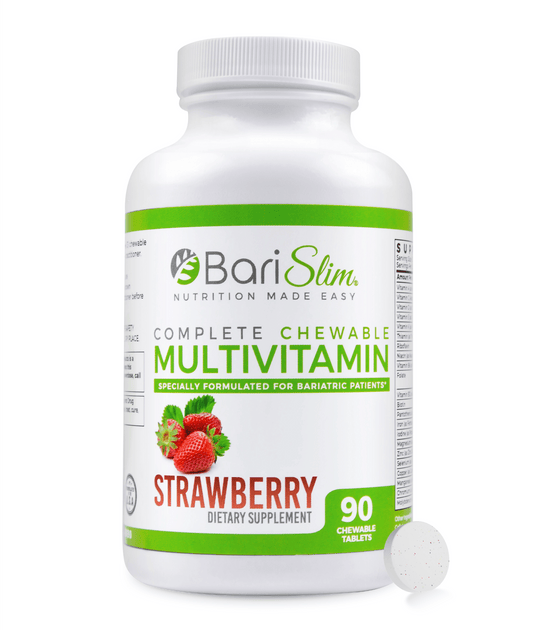
If you’re looking for a simple starting point, a high-quality multivitamin can help support your daily nutrient intake while on GLP-1 medications.
- Supports daily nutrient intake when appetite is reduced
- Helps maintain consistency with smaller meals
- Fits easily into a structured GLP-1 routine
Do You Need All of These Supplements?
Not everyone needs every supplement listed above.
Your exact needs depend on how much you eat, how consistent your meals are, and how your body responds to GLP-1 medications over time.
For many individuals, starting with a multivitamin, protein support, and hydration is often enough to build a strong foundation.
Additional nutrients such as magnesium or iron can be added if intake becomes inconsistent or if certain gaps become more noticeable.
The goal is not to build a complicated supplement stack. It is to create a simple system that supports your routine consistently.
Signs You May Be Low in Key Nutrients
When nutrient intake becomes inconsistent, the body often shows subtle signs before deficiencies become more noticeable. Paying attention to these patterns can help you adjust your routine earlier.
Common signs may include:
- Fatigue
- Hair thinning
- Low energy
- Muscle weakness
- Difficulty maintaining routine
These symptoms are not always linked to one single nutrient. In many cases, they reflect a combination of lower intake, reduced appetite, and inconsistent routines over time.
How to Help Prevent Nutrient Deficiencies
Preventing common nutrient deficiencies on GLP-1 medications usually comes down to building consistent habits rather than relying on large changes all at once.
Focus on Nutrient-Dense Foods
When portion sizes become smaller, food quality becomes more important. Choosing meals that provide more nutrients per serving helps support overall balance throughout the day.
Protein, vegetables, fruits, healthy fats, and balanced carbohydrates are often emphasized in a structured GLP-1 nutrition guide.
Maintain a Consistent Routine
Consistency is one of the most important parts of maintaining nutrient intake while using GLP-1 medications.
Regular meals, hydration, and repeatable habits help reduce the risk of nutritional gaps building over time.
Use Supplement Support
Because appetite and intake often decrease, some individuals include supplements to help support daily nutrition and maintain consistency.
Supplements are most effective when they fit into a structured routine rather than being used occasionally.
Build a Simple Daily Routine
A structured routine helps support nutrient intake, hydration, and consistency throughout the day.
Morning: Multivitamin to support daily nutrient intake
Midday: Hydration and balanced meals to maintain consistency
Afternoon: Protein support to help maintain consistent daily intake
Evening: Smaller meal and repeatable routine to maintain balance
Keeping your routine simple makes it easier to stay consistent over time.
What Happens If Nutrient Deficiencies Are Ignored?
Nutritional gaps often build gradually rather than all at once.
When intake stays inconsistent over time, the body may begin to show more noticeable signs such as lower energy, difficulty maintaining muscle, reduced recovery, or increased fatigue.
These changes do not happen overnight, which is why they are easy to overlook during the early stages.
Building a structured routine early helps reduce the likelihood of these gaps becoming more disruptive over time.
Best Foods to Support Nutrient Intake on GLP-1
Smaller meals make food quality more important. Prioritizing nutrient-dense foods can help support more consistent intake throughout the day.
Common options include:
- Eggs and Greek yogurt for protein and B vitamins
- Leafy greens and vegetables for vitamins and minerals
- Beans and lentils for fiber and iron
- Broths, fruits, and water-rich foods for hydration
The goal is not to eat perfectly, but to choose foods that help support balance while fitting comfortably into your routine.
What to Expect Over Time
Most nutritional changes on GLP-1 medications happen gradually rather than all at once.
As your routine becomes more consistent, your body is often better supported in maintaining balanced intake, hydration, and daily stability.
For many individuals, improving structure around meals, protein, hydration, and supplementation helps reduce the likelihood of nutritional gaps over time.
Common Mistakes That Lead to Deficiencies
Small gaps in daily habits can gradually affect nutrition while using GLP-1 medications. These patterns often develop slowly, which is why they are easy to overlook at first.
Not Eating Enough
Reduced appetite can make it difficult to consistently consume enough nutrients, especially when meals become smaller or less frequent.
Skipping Supplements
Supplements are often included to help support daily intake. Missing them regularly can make nutritional gaps more likely over time.
Ignoring Early Symptoms
Fatigue, lower energy, or changes in routine can sometimes reflect nutritional inconsistencies. Paying attention early makes it easier to adjust your approach.
Inconsistent Habits
Irregular meals, hydration, and supplement timing can make it harder to maintain balance. A repeatable routine often helps support better long-term consistency.
Frequently Asked Questions
Below are answers to common questions about common nutrient deficiencies on GLP-1 medications and how to maintain a more balanced routine.
Are nutrient deficiencies common on GLP-1?
Nutrient deficiencies can occur on GLP-1 medications when appetite and food intake remain consistently low over time. Smaller portions and less frequent meals may make it harder to maintain balanced nutrition.
What nutrients should I focus on?
Protein, hydration, vitamins, and minerals are often the most important areas to prioritize. Many individuals focus on maintaining steady protein intake, hydration, and overall nutrient balance throughout the day.
Do I need supplements?
Some individuals include supplements to help support daily intake when appetite and meal size decrease. Supplements are often used as part of a structured routine rather than as a replacement for balanced meals.
How can I prevent deficiencies?
Consistency with nutrition, hydration, and supplementation can help reduce the likelihood of nutritional gaps over time. Building a simple, repeatable routine often makes intake easier to maintain.
What’s the easiest way to stay consistent?
The simplest approach is to follow a routine that fits naturally into your day. Smaller balanced meals, regular hydration, and repeatable supplement habits are often easier to maintain long term.
Support Your Daily Nutrition
Maintaining proper nutrition while using GLP-1 medications is an important part of long-term consistency. As appetite and eating patterns change, a simple routine can help make nutrition easier to manage.
Focusing on balanced meals, hydration, protein intake, and structured supplementation helps support energy, routine stability, and overall daily balance.
Building a simple system that fits naturally into your day often makes long-term consistency easier to maintain.
This article is for informational purposes only and should not be considered medical advice. Always consult your healthcare provider before making changes to your nutrition, exercise, supplement routine, or GLP-1 medication plan.