Order Free Sample


Feeling tired or low on energy while using GLP-1 medications like Ozempic or Wegovy is a common experience. As appetite decreases and eating patterns change, many individuals notice shifts in how steady their energy feels throughout the day.
For some people, this shows up as lower motivation, slower recovery, or feeling more fatigued than expected. In many cases, these changes happen gradually and are linked to lower calorie intake, hydration changes, and inconsistent nutrient intake rather than the medication itself.
The good news is that fatigue on GLP-1 medications is often manageable with simple, repeatable habits. A structured routine focused on hydration, protein intake, balanced nutrition, and consistency can help support more stable daily energy over time.
This guide explains the most common causes of GLP-1 fatigue, what may contribute to low energy while using medications like Ozempic or Wegovy, and practical ways to build a routine that supports energy and daily balance.
Quick Summary
- Fatigue on GLP-1 medications is commonly linked to reduced calorie intake, hydration changes, and lower nutrient intake
- Smaller meals and lower appetite may affect energy levels, muscle maintenance, and overall stability
- Protein, hydration, and balanced nutrition are key priorities while using GLP-1 medications
- Consistent daily habits often help support steadier energy and reduce fluctuations over time
- Smaller, balanced meals are often easier to manage than large or irregular intake patterns
- Hydration and electrolyte support may help maintain balance throughout the day
- A simple, repeatable routine is usually easier to maintain long term than complex or restrictive plans
Who This Guide Is For
This guide is designed for:
- Ozempic users
- Wegovy users
- Semaglutide users
- Anyone experiencing low energy or fatigue
Why Does Fatigue Happen on GLP-1?
Fatigue on GLP-1 medications is usually not caused by a single issue. In most cases, it develops because several small changes begin happening at the same time as appetite and eating habits shift.
As food intake decreases, your body may receive less overall energy, fewer nutrients, and less hydration throughout the day. Over time, these changes can affect how steady your energy feels.
The most common contributors to GLP-1 fatigue include:
- Reduced calorie intake: Eating less can lower the total energy available to your body
- Lower nutrient intake: Smaller meals may make it harder to maintain balanced nutrition consistently
- Dehydration: Reduced fluid intake can affect energy, focus, and daily comfort
- Changes in routine: Irregular eating, hydration, and sleep habits can make energy feel less predictable
These factors often overlap, which is why fatigue may feel gradual rather than sudden. Supporting your body with a more structured routine can help reduce these fluctuations over time.
Common Causes of Fatigue on GLP-1
Fatigue on GLP-1 medications often develops gradually rather than all at once. Several factors can affect how your body maintains energy while appetite and intake patterns change.
Understanding these causes helps you identify where your routine may need additional structure or support.
| Cause | Impact |
|---|---|
| Low Calories | Reduced energy availability |
| Low Protein | Muscle and energy support may decrease |
| Dehydration | Fatigue and dizziness may become more noticeable |
| Nutrient Deficiencies | Lower overall energy and stability |
Low Calorie Intake
One of the most common reasons for fatigue on GLP-1 medications is reduced calorie intake.
As appetite decreases, many individuals naturally eat less throughout the day. While this supports weight management, it also means the body has less energy available to maintain daily activity and routine stability.
Over time, consistently low calorie intake may contribute to lower energy levels, especially when meals become smaller or less frequent.
Low Protein Intake
Protein plays an important role in supporting muscle, recovery, and daily function. However, reduced appetite often leads to lower protein intake without individuals realizing it.
When protein intake becomes inconsistent, it may affect both energy and body composition over time. This is one reason protein remains a key part of many GLP-1 nutrition guides.
Recommended Protein Support

For individuals who struggle to maintain protein intake consistently, a high-quality protein option may help make daily intake easier to manage.
- Helps support daily protein intake
- Supports energy and muscle maintenance
- Easy to incorporate
Dehydration
Hydration plays a major role in maintaining daily energy and balance. GLP-1 medications can reduce both appetite and thirst, making it easier to unintentionally drink less water throughout the day.
Even mild dehydration can contribute to feelings of fatigue, slower recovery, headaches, or dizziness.
Building hydration into your routine rather than relying on thirst alone often helps support more stable daily energy.
Nutrient Deficiencies
Smaller meals and lower intake can gradually affect how consistently your body receives key nutrients.
Over time, nutritional gaps may contribute to fatigue, lower energy, and reduced daily stability, especially if meals become irregular or repetitive.
This is one reason many individuals include a structured supplement routine alongside balanced nutrition while using GLP-1 medications.
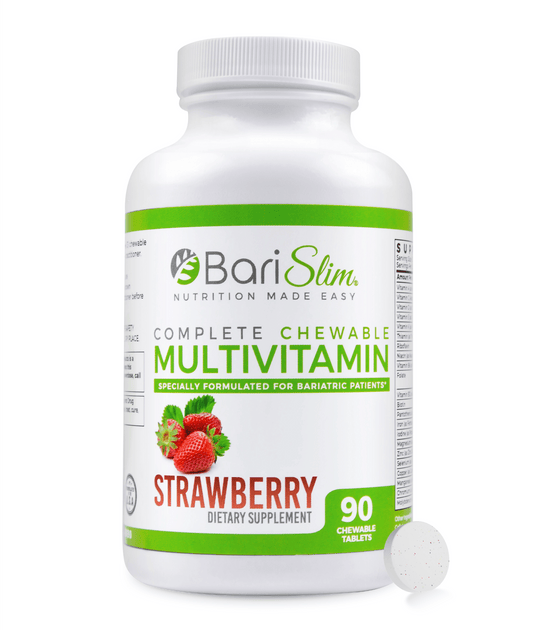
Recommended Daily Multivitamin

If you’re looking for a simple starting point, a high-quality multivitamin can help support your daily nutrient intake while on GLP-1 medications.
- Supports daily nutrient intake with reduced food consumption
- Designed for consistent use alongside GLP-1 medications
- Helps simplify your routine
How Fatigue on GLP-1 Medications May Feel
Fatigue on GLP-1 medications can feel different from person to person. Some individuals notice general tiredness throughout the day, while others feel lower motivation or reduced stamina during activity.
Common experiences may include:
- Feeling slower or less energetic than usual
- Difficulty maintaining daily routines
- Lower motivation for exercise or activity
- Feeling mentally or physically drained more easily
These changes are often connected to reduced intake, hydration, and overall routine shifts rather than a single cause.
How to Support Energy on Low Appetite Days
Some days, appetite may feel significantly lower than usual while using GLP-1 medications.
On these days, focusing on smaller, nutrient-dense options may feel easier than trying to force large meals.
Simple options often include:
- Protein shakes
- Greek yogurt
- Broths and soups
- Smaller protein-focused snacks
The goal is not large intake, but maintaining enough consistency to support energy and daily function.
How to Help Prevent Fatigue on GLP-1
Preventing fatigue on GLP-1 medications usually comes down to supporting your body consistently throughout the day. Small, repeatable habits often make a bigger difference than large or short-term changes.
The goal is not to create a complicated plan, but to build a routine that supports energy, hydration, and balanced intake as appetite patterns change.
Stay Hydrated
Hydration is one of the most important factors in maintaining daily energy. Reduced thirst and lower fluid intake can gradually affect how you feel throughout the day.
Sipping water consistently and building hydration into your routine may help support more stable energy and reduce fatigue-related symptoms.
Prioritize Protein Intake
Protein supports muscle maintenance and helps maintain more stable energy throughout the day.
Since appetite often decreases on GLP-1 medications, intentionally including protein in meals and snacks may help support a more balanced routine.
Maintain Nutrient Intake
Smaller meals may make it harder to consistently meet your daily nutrient needs. Over time, nutritional gaps can contribute to lower energy and reduced daily stability.
Maintaining balanced nutrition and using supplements when needed may help support daily function more consistently.
Build a Simple Routine
Creating a structured routine can help make energy, hydration, and nutrition feel more manageable while using GLP-1 medications.
When appetite and meal patterns change, having a few consistent habits in place often makes it easier to maintain balanced daily intake over time.
Simple Daily Routine Priorities
- Morning: Multivitamin support alongside hydration to help support daily nutrient intake and routine consistency
- Midday: Balanced meals and hydration to help maintain stable energy throughout the day
- Afternoon: Protein support and electrolyte intake to help support energy and hydration
-
Evening: Smaller balanced meals and consistent hydration habits to support routine stability
A routine does not need to feel complicated to be effective. Small, repeatable habits are often the easiest to maintain consistently long term.
Avoid Large Gaps Between Meals
Long gaps between meals can make energy levels feel less stable, especially when appetite is already reduced.
Smaller, more consistent intake throughout the day may help support steadier energy and make your routine easier to maintain.
What to Expect Over Time
Fatigue on GLP-1 medications usually changes gradually rather than all at once. Many individuals notice that energy levels become more stable as the body adapts to changing intake and daily habits.
Improvements often happen as:
- Your body adjusts: Digestion, appetite, and intake patterns become more predictable over time
- Your routine stabilizes: Regular meals, hydration, and repeatable habits help support steadier energy
- Nutrient intake improves: More balanced nutrition and consistent supplementation may help support daily function
For many individuals, energy improves gradually as routines become easier to maintain consistently.
Common Mistakes That Can Make Fatigue Worse
Small inconsistencies can gradually affect energy while using GLP-1 medications. These patterns are often easy to overlook at first, especially when appetite changes feel manageable.
Not Eating Enough
Reduced appetite can lead to lower calorie and nutrient intake throughout the day. Over time, this may affect overall energy and routine stability.
Skipping Protein
Protein intake often becomes inconsistent when meals are smaller or skipped. This may affect muscle maintenance, recovery, and overall daily function.
Not Staying Hydrated
Lower fluid intake may contribute to fatigue, headaches, and reduced daily stability. Hydration is often one of the first habits to become inconsistent on GLP-1 medications.
Inconsistent Routine
Irregular eating, hydration, movement, and sleep patterns can make it harder for the body to adapt. A more predictable routine often supports steadier daily energy over time.
Signs You May Need Additional Support
If fatigue becomes persistent or begins interfering with daily function, your routine may need more structure or support.
Signs may include:
- Persistent low energy
- Difficulty completing daily tasks
- Reduced recovery after activity
- Frequent dizziness or dehydration
Reviewing hydration, nutrition, and supplementation habits can help identify potential gaps.
Tips to Stay Consistent
Consistency is one of the most important parts of maintaining energy while using GLP-1 medications. The simpler your routine feels, the easier it becomes to maintain long term.
Keep Your Routine Simple
Simple routines are easier to repeat consistently. Focusing on a few key habits often works better than trying to manage too many changes at once.
Plan Ahead
Keeping meals, hydration, and supplements prepared ahead of time can reduce missed intake and make your routine easier to follow on busy days.
Focus on Daily Habits
Small habits repeated consistently throughout the day often make the biggest difference over time. Building structure around meals, hydration, and nutrition helps support more stable energy.
Frequently Asked Questions
Is fatigue common on GLP-1 medications?
Yes, fatigue on GLP-1 medications is a common experience, especially during the early stages or when appetite and intake patterns change significantly.
Why do I feel tired on GLP-1?
Reduced calorie intake, lower protein intake, dehydration, and nutritional gaps can all contribute to lower energy levels while using GLP-1 medications.
How can I increase energy on GLP-1 medications?
Maintaining hydration, prioritizing protein intake, supporting nutrient balance, and following a consistent daily routine may help support more stable energy throughout the day.
How long does fatigue last?
Fatigue often improves gradually as your body adjusts to changes in appetite, intake, and routine. Consistency with nutrition and hydration tends to support a smoother adjustment process.
What’s the easiest way to stay consistent?
A simple, repeatable routine built around balanced meals, hydration, protein intake, and supplementation is often the easiest approach to maintain long term.
Support Your Daily Energy Routine
Fatigue while using GLP-1 medications can feel frustrating, especially when appetite and daily intake become less predictable.
A simple routine built around hydration, balanced nutrition, protein intake, and daily support can help maintain more stable energy and support your body over time.
Keeping your routine simple and repeatable makes long-term consistency easier to maintain.
This article is for informational purposes only and should not be considered medical advice. Always consult your healthcare provider before making changes to your nutrition, exercise, supplement routine, or GLP-1 medication plan.