Order Free Sample


Gastric sleeve surgery is one of the most common bariatric procedures for long-term weight management. By reducing stomach size and influencing appetite-related hormones, it can support significant weight loss and improvements in weight-related health conditions.
However, the surgery is only the beginning. Recovery, nutrition, hydration, supplementation, and daily habits all play a major role in long-term success after gastric sleeve surgery.
This guide explains what to expect during recovery, how diet progression works, which nutrition priorities matter most, and the habits that help support long-term results.
If you're looking for a broader overview beyond gastric sleeve surgery alone, our complete guide to life after bariatric surgery explores recovery, maintenance, nutrition, supplements, and lifestyle changes across all bariatric procedures.
Quick Summary
- Gastric sleeve surgery removes a large portion of the stomach, creating a smaller sleeve-shaped pouch
- Recovery usually involves a gradual progression from liquids to soft foods before returning to regular textured meals
- Most patients lose a significant amount of excess weight during the first 12 to 18 months
- Protein intake, hydration, and bariatric supplementation become long-term priorities after surgery
- Smaller meals make nutrient quality and meal structure more important
- Consistent routines around nutrition, hydration, and supplements help support long-term maintenance
Who This Guide Is For
This guide is designed for:
- Patients preparing for gastric sleeve surgery
- Recent gastric sleeve patients navigating recovery
- Long-term sleeve patients maintaining their results
- Anyone researching bariatric surgery options
What Is Gastric Sleeve Surgery?
Gastric sleeve surgery, also called sleeve gastrectomy, is a bariatric procedure that reduces the size of the stomach to help support long-term weight loss and appetite control.
During the procedure, approximately 70 to 80 percent of the stomach is removed, leaving behind a much smaller sleeve-shaped stomach about the size and shape of a banana.
The surgery is most commonly performed laparoscopically using several small incisions, which generally allows for a shorter hospital stay and recovery period compared to traditional open surgery.
Unlike gastric bypass surgery, gastric sleeve surgery does not reroute the intestines or significantly change how food moves through the digestive system. Food still follows the normal digestive pathway, but the smaller stomach limits portion sizes and helps many patients feel full sooner.
The procedure also affects hormones involved in hunger and appetite regulation, which may help reduce overall hunger levels over time.
Because the stomach becomes significantly smaller after surgery, nutrition quality, hydration, protein intake, and supplementation become much more important for long-term recovery and maintenance.
Gastric Sleeve Recovery Timeline
Recovery after gastric sleeve surgery happens gradually over several stages. Each phase focuses on healing, hydration, nutrition progression, and helping the body adjust to smaller food intake.
While recovery timelines vary slightly between patients and surgical teams, most individuals move through similar post-operative stages.
Patients who want a more detailed bariatric surgery recovery timeline can review each recovery stage week by week.
Week 1: Initial Recovery
Most patients spend one or two nights in the hospital before returning home to continue recovery.
During the first week, soreness, fatigue, swelling, and reduced appetite are common. Light walking is usually encouraged to support circulation and recovery, while strenuous activity is avoided.
The diet during this stage is typically limited to clear liquids such as:
- Water
- Broth
- Sugar-free gelatin
- Clear protein drinks
Small sips are spaced throughout the day to help maintain hydration without overwhelming the stomach.
Weeks 2–3: Full Liquids and Pureed Foods
As healing progresses, patients gradually move into the full liquid and pureed food stages.
Common foods during this phase may include:
- Protein shakes
- Strained soups
- Sugar-free yogurt
- Pureed lean proteins
- Mashed soft fruits and vegetables
- Scrambled eggs
Protein intake becomes a major focus during this stage because overall food intake remains very low.
Many patients use protein shakes and bariatric supplements to help support recovery, hydration, and daily nutrition while appetite is still limited.
Weeks 4–6: Soft Food Stage
During this phase, soft and easy-to-chew foods are introduced gradually.
Examples often include:
- Ground or shredded meats
- Soft fish
- Cooked vegetables
- Soft fruits
- Eggs
- Well-cooked grains
Portions remain small, and eating slowly becomes especially important.
Patients are usually encouraged to chew thoroughly, avoid overeating, and stop eating as soon as fullness develops.
Weeks 6 and Beyond: Transitioning to Regular Foods
Once approved by the surgical team, patients gradually begin transitioning toward more regular textured foods.
Meals generally continue focusing on:
- Protein intake
- Hydration
- Smaller portions
- Structured meal timing
Some foods may feel harder to tolerate after gastric sleeve surgery, especially bread, fibrous vegetables, dry meats, and highly processed foods.
Over time, most patients learn which foods feel easiest to tolerate while continuing to build routines around hydration, protein intake, and bariatric supplementation.
Nutrition Priorities After Gastric Sleeve Surgery
Because the stomach becomes much smaller after gastric sleeve surgery, nutrition quality becomes more important than ever.
Smaller meals mean there are fewer opportunities throughout the day to meet protein, hydration, vitamin, and mineral needs. Building structured nutrition habits early can help support recovery, energy, muscle maintenance, and long-term weight management.
Prioritizing Protein Intake
Protein is one of the most important nutrition priorities after gastric sleeve surgery.
It supports healing, muscle maintenance, recovery, and overall daily energy, especially during periods of rapid weight loss when overall food intake is significantly lower.
Many gastric sleeve patients focus on building meals around protein sources such as:
- Lean meats
- Fish and seafood
- Eggs
- Greek yogurt and cottage cheese
- Protein shakes
- Plant-based proteins
Many bariatric programs recommend aiming for approximately 60–80 grams of protein daily after gastric sleeve surgery, although individual needs may vary based on body size, activity level, recovery stage, and provider recommendations.
Because appetite and portion sizes remain smaller after surgery, many individuals find it easier to spread protein intake across several smaller meals and snacks throughout the day rather than trying to consume large portions at once.
Protein Support After Gastric Sleeve Surgery

Protein shakes can help support recovery and daily protein intake, especially during periods when appetite is lower or meals feel difficult to finish.
- Easy to include between meals
- Designed for smaller post-op portions
- Supports muscle maintenance and recovery
- Helpful during early recovery and rapid weight loss phases
Hydration and Fluid Intake
Hydration becomes another major priority after gastric sleeve surgery.
Because the stomach holds much less volume, drinking large amounts at once often feels uncomfortable. Many patients find it easier to sip fluids consistently throughout the day instead.
Most bariatric programs encourage patients to separate fluids from meals by avoiding drinking shortly before, during, and after eating.
This helps maximize stomach space for protein and nutrient-dense foods while also improving comfort during meals.
Many individuals build hydration routines around:
- Consistent water intake throughout the day
- Electrolyte support when needed
- Hydrating between meals rather than during meals
- Keeping fluids nearby throughout the day
Hydration consistency often becomes easier once it is built into a structured daily routine.
Limiting High-Sugar and High-Fat Foods
Highly processed foods, sugary drinks, fried foods, and heavy meals may feel harder to tolerate after gastric sleeve surgery.
In some cases, these foods may contribute to nausea, digestive discomfort, reduced energy, or slower long-term progress.
Many patients find that focusing on simpler, nutrient-dense foods helps support better energy, digestion, and overall consistency throughout recovery and long-term maintenance.
Meals built around protein, hydration, vegetables, and balanced portions are often easier to maintain long-term than highly restrictive or heavily processed eating patterns.
Supplements After Gastric Sleeve Surgery
Although gastric sleeve surgery does not affect nutrient absorption as significantly as gastric bypass, supplementation still becomes an important long-term part of maintaining overall health and nutritional balance.
Because food intake is much lower after surgery, it can become more difficult to consistently meet daily vitamin and mineral needs through meals alone.
Many gastric sleeve patients build their routine around:
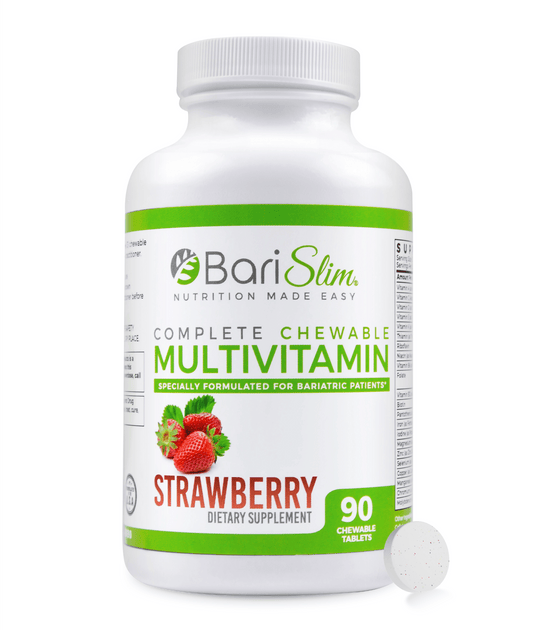
- Bariatric multivitamins
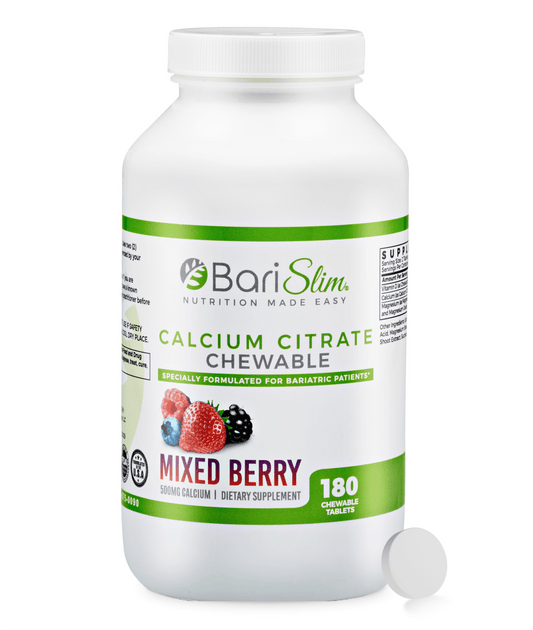
- Calcium citrate
- Vitamin B12 support
- Vitamin D
- Protein supplementation
Some individuals may also require additional nutrients such as iron depending on their lab work, intake patterns, and healthcare provider recommendations.
Bariatric-specific supplements are often designed with smaller appetites and post-surgery nutrition needs in mind. Many formulations use more bioavailable nutrient forms and simplified serving structures to help support long-term consistency.
Bariatric Supplement Support
Structured supplementation can help support nutrition consistency, hydration, and long-term recovery after gastric sleeve surgery.

If you’re looking for a simple starting point, a high-quality bariatric multivitamin can help support your daily nutrient intake after gastric sleeve surgery.
- Designed for post-bariatric nutrition needs
- Supports daily vitamin and mineral intake
- Fits easily into long-term routines
- Helpful during recovery and long-term maintenance
Common Challenges After Gastric Sleeve Surgery
Even with careful planning and consistent habits, many gastric sleeve patients experience challenges during recovery and long-term weight loss.
Understanding these changes ahead of time can help make the adjustment process feel more manageable and less overwhelming.
Hair Thinning
Hair shedding is common during periods of rapid weight loss and often becomes noticeable several months after surgery.
This is usually temporary and may improve gradually as protein intake, hydration, and supplementation become more consistent.
Many patients focus on maintaining structured nutrition habits to help support long-term recovery during this phase.
Acid Reflux
Some individuals experience acid reflux or digestive discomfort after gastric sleeve surgery, especially during the first year.
Eating smaller portions, avoiding trigger foods, and remaining upright after meals may help improve comfort over time.
Weight Loss Plateaus
Weight loss plateaus are common during the bariatric journey, particularly several months after surgery.
Plateaus do not necessarily mean progress has stopped permanently. Continuing to focus on hydration, protein intake, activity, and structured habits often helps support long-term consistency.
Weight Regain
Some weight regain after the first year is common and expected to some degree.
Long-term maintenance often becomes easier when patients continue prioritizing:
- Protein-focused meals
- Hydration
- Supplement consistency
- Regular activity
- Structured eating habits
Returning to more consistent routines may help support better long-term stability if regain begins increasing over time.
Foods to Avoid After Gastric Sleeve Surgery
After gastric sleeve surgery, some foods may feel more difficult to tolerate, especially during the early recovery and adjustment phases. Because the stomach is much smaller, certain foods and eating habits can contribute to discomfort, nausea, reflux, or difficulty maintaining long-term consistency.
Many patients find that focusing on simpler, protein-focused meals and gradually learning which foods feel easiest to tolerate helps support a smoother long-term routine.
Carbonated Drinks
Carbonated beverages may cause bloating, pressure, and discomfort after gastric sleeve surgery. The gas produced by carbonation can feel uncomfortable in the smaller stomach, particularly during the first several months after surgery.
Sugary Drinks and Highly Processed Foods
Sugary beverages, desserts, and heavily processed foods often provide very little nutritional value while taking up limited stomach space.
Many patients find that prioritizing protein, hydration, and nutrient-dense meals helps support better long-term energy, recovery, and weight maintenance.
Fried and High-Fat Foods
Greasy or high-fat foods may feel heavier and more difficult to tolerate after surgery. In some cases, these foods may contribute to nausea, reflux, digestive discomfort, or slower overall progress.
Dry or Tough Meats
Some meats, especially dry chicken breast, steak, or heavily overcooked meats, may feel difficult to tolerate if not chewed thoroughly.
Many patients find that softer protein options and slower eating habits improve comfort during meals.
Bread and Dense Starches
Bread, rice, pasta, and other dense starches may feel heavy or uncomfortable, particularly during the early months after surgery.
Tolerance often improves gradually over time, but many patients continue prioritizing protein and nutrient-dense foods first before adding larger portions of starches.
Long-Term Success After Gastric Sleeve Surgery
Long-term success after gastric sleeve surgery usually depends less on perfection and more on consistency.
Many patients who maintain stable long-term results build routines around structured meals, hydration, protein intake, supplementation, and regular movement.
Over time, these habits often become part of everyday life rather than temporary recovery steps.
Some of the most common long-term habits include:
- Consistent bariatric supplementation
- Protein-focused meals and snacks
- Regular hydration throughout the day
- Ongoing physical activity and strength support
- Routine follow-up care and lab work
Gastric sleeve surgery can be a powerful long-term tool for weight management, but the habits built around nutrition, hydration, and daily structure are often what help sustain results over time.
Frequently Asked Questions
How much weight do people usually lose after gastric sleeve surgery?
Weight loss varies between individuals, but many patients lose a significant portion of excess weight during the first 12 to 18 months after surgery, especially when nutrition and lifestyle habits remain consistent.
How long does recovery after gastric sleeve surgery take?
Initial physical recovery often takes several weeks, while the full adjustment to new eating habits and routines may continue for several months.
Do I need supplements for life after gastric sleeve surgery?
Most gastric sleeve patients continue long-term supplementation because smaller food intake can make it harder to consistently meet nutritional needs through meals alone.
Can gastric sleeve surgery be reversed?
No. Gastric sleeve surgery permanently removes a portion of the stomach and is not considered reversible.
Will I still be able to eat normal foods after surgery?
Many foods can gradually be reintroduced over time, but portion sizes, meal structure, and eating habits usually remain permanently different after surgery.
Is weight regain possible after gastric sleeve surgery?
Some weight regain over time is common. Long-term consistency with nutrition, hydration, supplementation, and activity often helps support weight maintenance.
What is the most important habit after gastric sleeve surgery?
Many patients find that consistency with protein intake, hydration, supplements, and structured routines plays a major role in long-term success.
Support Your Gastric Sleeve Recovery and Routine
Gastric sleeve surgery can be a powerful long-term tool for weight management, but long-term results are usually supported by the habits built after surgery.
Focusing on hydration, protein intake, supplementation, and consistent daily structure can help support recovery, long-term maintenance, and overall health throughout every stage of the bariatric journey.
This article is for informational purposes only and should not be considered medical advice. Always consult your healthcare provider before making changes to your nutrition, exercise, supplement routine, or bariatric care plan.