Order Free Sample


GLP-1 medications have quickly become some of the most widely discussed options for weight management and appetite support. Medications like Ozempic and Wegovy are now commonly mentioned in conversations around nutrition, eating habits, and long-term routine changes.
If you’re new to the topic, it’s normal to wonder what GLP-1 medications actually are, how they work, and why so many people are using them.
In simple terms, GLP-1 medications work by mimicking a natural hormone involved in appetite regulation and digestion. These changes can affect how hungry you feel, how quickly you feel full, and how your daily eating patterns shift over time.
This beginner-friendly guide explains what GLP-1 medications are, how they work, common medications like Ozempic and Wegovy, what changes people often notice, and why building a structured routine becomes important over time.
Quick Summary
- GLP-1 medications mimic a natural hormone involved in appetite and digestion
- Common GLP-1 medications include Ozempic, Wegovy, and semaglutide
- These medications often help people feel full sooner and stay full longer
- Many individuals notice reduced appetite and smaller meal sizes over time
- Hydration, protein intake, and balanced nutrition often become more important while using GLP-1 medications
- Simple routines and consistent habits may help support long-term balance and stability
Who This Guide Is For
This guide is designed for:
- Beginners researching GLP-1 medications
- Individuals considering Ozempic or Wegovy
- Anyone looking to understand how GLP-1 works
What Does GLP-1 Mean?
GLP-1 stands for Glucagon-Like Peptide-1.
It is a natural hormone produced in the body, primarily after eating. This hormone helps regulate several processes connected to appetite, digestion, and overall metabolic balance.
GLP-1 plays a role in:
- Appetite regulation: Helping the body recognize fullness and reduce hunger signals
- Blood sugar balance: Supporting more stable blood sugar responses after meals
- Digestion: Influencing how quickly food moves through the stomach
GLP-1 medications are designed to mimic this natural hormone. By acting similarly to GLP-1 in the body, these medications can influence appetite, meal size, and eating patterns over time.
This is one reason many individuals notice changes in hunger levels, portion sizes, and daily routines after starting medications like Ozempic or Wegovy.
How Do GLP-1 Medications Work?
GLP-1 medications work by influencing several natural processes connected to appetite, digestion, and blood sugar balance.
Rather than working through a single pathway, these medications affect multiple systems in the body at the same time. This is one reason many individuals notice changes in hunger levels, eating habits, and meal size after starting medications like Ozempic or Wegovy.
GLP-1 Mechanism Overview
| Function | Effect |
|---|---|
| Appetite Regulation | Helps you feel full sooner |
| Slower Digestion | Keeps food in the stomach longer |
| Blood Sugar Balance | Supports more stable levels |
Appetite Regulation
One of the most noticeable effects of GLP-1 medications is appetite regulation.
Many individuals feel full faster during meals and stay satisfied for longer periods afterward. This often leads to smaller portions and reduced overall food intake throughout the day.
Over time, these changes may also influence eating habits and meal timing.
Slower Digestion
GLP-1 medications slow the rate at which food leaves the stomach. This process is sometimes referred to as delayed gastric emptying.
Because food stays in the stomach longer, fullness may last longer after eating. This is one reason many individuals notice reduced hunger between meals.
Slower digestion can also change how meals feel, especially during the adjustment period.
Blood Sugar Support
GLP-1 medications also help support more stable blood sugar responses after meals.
By influencing insulin and digestion-related processes, these medications help the body manage blood sugar more gradually throughout the day.
The combination of all these factors is what makes GLP-1 drugs different from many other approaches focused only on calorie intake.
Common GLP-1 Medications
Several GLP-1 medications are now widely recognized for their role in appetite regulation and structured weight management routines.
While many people use the names interchangeably, there are important differences between the medication brands and the active ingredients they contain.
Understanding these basics can make the overall GLP-1 landscape much easier to follow.
Ozempic
Ozempic is one of the most widely recognized GLP-1 medications.
It contains the active ingredient semaglutide and is commonly discussed in conversations about appetite regulation, eating habits, and weight-related routines.
Because appetite often decreases while using Ozempic, many users focus more intentionally on hydration, protein intake, and daily nutrition support.
Wegovy
Wegovy also contains semaglutide, but it is specifically associated with structured weight management support.
Like other GLP-1 medications, Wegovy works by helping regulate appetite and slowing digestion, which may contribute to lower overall food intake.
As routines shift, maintaining balanced nutrition and hydration often becomes an important part of the overall experience.
Semaglutide
Semaglutide is the active ingredient found in medications like Ozempic and Wegovy.
When people search for what semaglutide is or how it works, they are usually referring to, they are usually referring to the GLP-1 mechanism that helps regulate appetite and digestion.
Because semaglutide can significantly change eating habits and appetite patterns, many individuals build structured routines around hydration, protein intake, and supplement support while using it.
Why These Medications Are Often Discussed Together
Ozempic, Wegovy, and semaglutide are frequently grouped together because they are closely connected.
Ozempic and Wegovy are brand names, while semaglutide is the active ingredient that powers both medications.
Although the names are different, the overall experience often involves similar themes:
- Reduced appetite
- Smaller meals
- Changes in eating patterns
- Greater focus on nutrition and hydration
This is why many educational guides focus not only on how GLP-1 medications work, but also on how to maintain balanced daily routines while using them.
Why Are GLP-1 Medications So Popular?
GLP-1 medications have gained widespread attention because they approach weight management differently than many traditional methods.
Rather than focusing only on restriction or willpower, these medications work by influencing appetite, digestion, and eating behavior in a more structured way.
For many individuals, this changes how daily routines feel around food and hunger.
GLP-1 medications have become popular because they may help:
- Support appetite control: Many individuals feel full sooner and stay full longer throughout the day
- Help regulate eating habits: Smaller portions and reduced cravings can make eating patterns feel more manageable
- Fit into structured routines: Many people combine GLP-1 medications with nutrition, hydration, movement, and supplement routines
Another reason these medications receive so much attention is that the experience often feels gradual and sustainable rather than extreme.
Instead of forcing dramatic changes overnight, many individuals slowly begin adjusting meal size, food choices, hydration habits, and daily structure over time.
This shift has also increased interest in topics like GLP-1 nutrition support, hydration, protein intake, and supplement routines, since appetite and eating habits can change significantly during the process.
What Changes When You Start GLP-1?
Most individuals notice changes fairly early after starting GLP-1 medications, especially around appetite and eating patterns.
These changes are usually gradual rather than immediate, but they can noticeably affect how often you eat, how much you eat, and how your daily routine feels.
Common changes may include:
- Reduced appetite: Hunger levels may feel lower throughout the day
- Smaller meals: Portions that once felt normal may suddenly feel too large
- Changes in eating patterns: Meal timing, cravings, and food preferences may shift over time
Some individuals also notice that they begin eating more slowly, snacking less often, or feeling satisfied with less food overall.
While these changes can support structured weight management routines, they also make nutrition more important.
When food intake decreases, the body still needs consistent hydration, protein, vitamins, and minerals to support energy, muscle maintenance, and overall balance.
This is why many GLP-1 users begin focusing more intentionally on:
- Protein intake
- Hydration
- Nutrient-dense foods
- Simple supplement routines
The goal is not just eating less. It is maintaining a more balanced and sustainable routine while appetite and intake patterns continue to change.
Support Your Routine from Day One

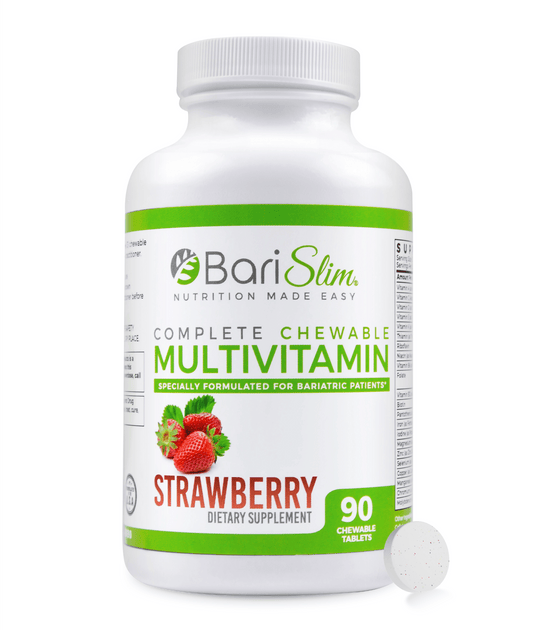
If you’re building a structured GLP-1 routine, a high-quality daily multivitamin can help support more consistent nutrient intake as appetite and meal patterns change.
- Supports daily vitamin and mineral intake
- Helps support balanced nutrition with smaller meals
- Easy to include in a simple daily GLP-1 routine
Are There Side Effects of GLP-1 Medications?
Like any significant change in eating habits or routine, GLP-1 medications can come with side effects, especially during the early adjustment period.
Most side effects are related to how these medications affect appetite, digestion, and food intake patterns.
For many individuals, these changes improve gradually as the body adapts and routines become more consistent.
Some of the most commonly reported GLP-1 side effects include:
- Nausea: Feeling overly full or adjusting to slower digestion may contribute to nausea, especially early on
- Constipation: Reduced food intake, lower fiber intake, and hydration changes can affect digestion consistency
- Fatigue: Lower calorie intake, hydration shifts, and reduced nutrient intake may affect daily energy levels
- Dehydration: Drinking less water and eating less food can make hydration harder to maintain consistently
These side effects often become more manageable when routines around hydration, protein intake, meal timing, and nutrition become more structured.
Many individuals find that consistency plays a major role in helping daily routines feel more stable while using GLP-1 medications.
Why Nutrition Matters on GLP-1
One of the biggest changes on GLP-1 medications is reduced overall intake.
While eating less may support weight management goals, it also means the body receives fewer opportunities throughout the day to take in protein, hydration, vitamins, minerals, and overall nutrition.
This is why nutrition becomes much more important while using GLP-1 medications.
Instead of focusing only on eating less, many individuals begin focusing on making smaller meals more balanced and consistent.
Key priorities often include:
- Prioritize protein: Protein helps support muscle maintenance, recovery, and overall daily function
- Stay hydrated: Consistent hydration helps support energy, digestion, and overall balance
- Maintain nutrient intake: Vitamins and minerals become more important when meals are smaller or less frequent
Because appetite can fluctuate significantly, many individuals also include structured supplement routines to help support consistency across nutrition and hydration.
The goal is not perfection. It is building a routine that supports your body while appetite, meal size, and eating patterns continue to change over time.
Do You Need Supplements on GLP-1?
Not everyone using GLP-1 medications takes supplements, but many individuals include them as part of a more structured routine.
As appetite decreases and meals become smaller, maintaining consistent intake of protein, hydration, vitamins, and minerals can become more difficult through food alone.
This is one reason GLP-1 supplements have become increasingly common among Ozempic, Wegovy, and semaglutide users.
Supplement support is often most helpful when:
- Appetite is reduced: Smaller meals may provide fewer nutrients throughout the day
- Meals are smaller: Lower food intake can make protein and hydration harder to maintain consistently
- Nutrient intake is inconsistent: Irregular eating patterns may lead to gaps in daily nutrition over time
Many individuals focus on a few core areas rather than building a large supplement routine.
Common examples include:
- Multivitamins for daily nutrient support
- Protein support for muscle maintenance and daily intake
- Electrolytes and hydration support
The goal is not to replace balanced meals. Supplements are typically used to help support consistency while appetite and intake patterns continue to change.
How to Build a Simple Routine
One of the easiest ways to stay consistent on GLP-1 medications is to follow a simple daily structure.
Instead of relying on appetite alone, many individuals build routines around hydration, nutrient support, and balanced intake throughout the day.
A basic GLP-1 routine does not need to feel complicated. Small, repeatable habits are often easier to maintain long term.
| Time | Focus |
|---|---|
| Morning | Nutrient support |
| Midday | Hydration |
| Afternoon | Protein |
| Evening | Consistency |
This type of structure helps spread support throughout the day rather than trying to manage everything at once.
Who Should Talk to a Healthcare Provider Before Using GLP-1 Medications?
GLP-1 medications are prescription medications that should be used under healthcare supervision.
Individuals with existing medical conditions, digestive concerns, medication interactions, or specific health histories should speak with a healthcare provider before starting a GLP-1 medication.
A healthcare professional can help determine whether a GLP-1 medication fits your individual needs, routine, and long-term goals.
Common Misconceptions About GLP-1
As GLP-1 medications become more popular, several misconceptions have also become common online.
Many people focus only on appetite reduction or weight changes without considering the importance of long-term routine consistency.
Some common misconceptions include:
- “You don’t need to focus on nutrition”: Reduced appetite does not reduce the body’s need for hydration, protein, vitamins, and minerals.
- “Weight loss alone is enough”: Long-term consistency often depends on maintaining balanced habits alongside changing intake patterns.
- “You don’t need a routine”: Structured routines often make hydration, supplementation, and balanced nutrition easier to maintain over time.
In reality, many individuals find that the most sustainable approach combines GLP-1 medications with repeatable daily habits that support overall balance and consistency.
Frequently Asked Questions
What are GLP-1 medications used for?
GLP-1 medications are commonly used to support appetite regulation, structured eating habits, and weight management routines under medical supervision.
How do GLP-1 medications work?
They mimic the natural GLP-1 hormone, which affects appetite, digestion, feelings of fullness, and blood sugar balance.
Are GLP-1 medications safe?
GLP-1 medications are widely used under healthcare supervision. Individuals should always follow guidance from their healthcare provider.
Do I need supplements on GLP-1?
Many individuals use supplements to help support hydration, protein intake, and daily nutrition consistency while appetite and meal size change.
What’s the easiest way to stay consistent?
A simple daily routine built around hydration, balanced meals, protein intake, and repeatable habits is often the easiest approach to maintain long term.
Start Your GLP-1 Journey the Right Way
Understanding how GLP-1 medications work is the first step toward building a more structured and sustainable routine.
As appetite, hydration, and eating patterns change, focusing on consistency can help support your overall experience over time.
A simple routine built around balanced nutrition, hydration, protein intake, and daily support often makes long-term habits easier to maintain.
This article is for informational purposes only and should not be considered medical advice. Always consult your healthcare provider before making changes to your nutrition, exercise, supplement routine, or GLP-1 medication plan.