Order Free Sample


GLP-1 medications like Ozempic and Wegovy have helped many people build more consistent weight management habits. By reducing appetite and supporting calorie control, these medications can make long-term weight loss feel more manageable.
However, one of the most common side effects people experience is dehydration on GLP-1 medications.
For some individuals, symptoms such as headaches, dizziness, fatigue, or dry mouth may be the first signs that hydration has started to drop.
The good news is that dehydration on GLP-1 medications is usually manageable with a structured routine and consistent daily habits. Small adjustments to water intake, electrolyte support, and hydration timing can make a meaningful difference.
This guide explains common GLP-1 dehydration symptoms, why dehydration happens on medications like Ozempic and Wegovy, and practical strategies that may help support hydration and daily balance.
Quick Summary
- Dehydration on GLP-1 medications is common due to reduced appetite and lower fluid intake
- Common GLP-1 dehydration symptoms include fatigue, dizziness, headaches, and dry mouth
- Hydration often needs to be more intentional because thirst signals may be reduced
- Sipping water consistently and using electrolyte support can help maintain balance
- A simple daily routine makes it easier to stay hydrated and support energy levels
Who This Guide Is For
This guide is designed for:
- Ozempic users
- Wegovy users
- Semaglutide users
- Anyone experiencing symptoms like fatigue, dizziness, or headaches
Is Dehydration Common on GLP-1 Medications?
Dehydration on GLP-1 medications is a common experience, especially during the early stages of use or when routines are still adjusting.
Medications like Ozempic and Wegovy can reduce appetite, which often leads to lower overall food and fluid intake. Because hydration is closely tied to daily habits, even small reductions in drinking water can add up over time.
In many cases, dehydration on GLP-1 medications is not caused by a single issue. Instead, it develops gradually due to changes in routine, including:
- Reduced appetite leading to lower fluid intake
- Less structured eating and drinking patterns
- Lower awareness of hydration throughout the day
This is why hydration often needs to be more intentional while using GLP-1 medications. Without a consistent approach, it becomes easy to fall behind without noticing.
Understanding how hydration patterns change on GLP-1 medications is the first step towards building a routine that helps maintain balance and supports daily energy.
Symptoms of Dehydration on GLP-1
Dehydration on GLP-1 medications can develop gradually and may not always be obvious at first. Because appetite and fluid intake often decrease together, early signs can be easy to overlook.
Recognizing GLP-1 dehydration symptoms early can help you adjust your routine before hydration levels drop further.
Fatigue
Low fluid intake on GLP-1 can affect overall energy levels. You may feel more tired than usual, even if your sleep routine has not changed.
Dizziness
Dizziness from dehydration on GLP-1 medications is a common concern, especially when standing up quickly or moving throughout the day. This may be more noticeable when hydration levels are low.
Headaches
Headaches can develop when hydration drops. Even mild dehydration may affect focus and daily comfort.
Dry Mouth
A dry or sticky feeling in the mouth can be an early sign that your fluid intake is not keeping up with your body’s needs.
Dark Urine
Urine color can be a simple indicator of hydration. Darker urine may suggest that fluid intake needs to be increased.
These symptoms can appear quickly if water intake on GLP-1 drops, especially during busy days or when routines are inconsistent.
Why Dehydration Happens on GLP-1
To understand dehydration on GLP-1 medications, it helps to look at how daily habits change. These shifts are often subtle but can have a meaningful impact on overall hydration.
Reduced Appetite
GLP-1 medications reduce appetite, which often leads to eating less throughout the day. Since fluid intake is often tied to meals, less eating can also mean less drinking.
Over time, this can contribute to low fluid intake on GLP-1 without it being immediately noticeable.
Lower Fluid Intake
Many individuals report feeling less thirsty while using GLP-1 medications. This can make it easier to forget to drink water consistently.
Without a structured approach, hydration may decrease gradually across the day.
Changes in Routine
Daily habits often shift when starting GLP-1 medications. Meal timing, portion sizes, and overall routines may become less structured.
Hydration is often one of the first habits to become inconsistent when routines change, which increases the risk of dehydration.
How to Help Prevent Dehydration on GLP-1
Preventing dehydration on GLP-1 medications comes down to building simple, repeatable habits. A structured approach makes it easier to stay consistent, even when appetite and thirst signals are reduced.
Sip Water Throughout the Day
Instead of drinking large amounts of water at once, it is often more effective to sip water consistently throughout the day.
This helps support steady hydration without feeling overwhelming, especially when appetite is low.
Use Electrolyte Support
Electrolytes can help support hydration and fluid balance, particularly during periods of reduced intake.
Including electrolyte support as part of your daily routine may help maintain hydration more consistently. Electrolyte needs can vary based on individual health factors, so choosing a balanced approach is important.
Build a Simple Hydration Routine
A structured routine helps support hydration without relying on thirst signals alone. When fluid intake is built into your day, it becomes easier to stay consistent.
Morning: Start with water after waking to restore fluid levels and support early energy
Midday: Sip consistently between meals to maintain steady hydration without discomfort
Afternoon: Add electrolyte support or hydrating options if intake has been low
Evening: Continue light sipping to complete your daily intake without drinking large amounts at once
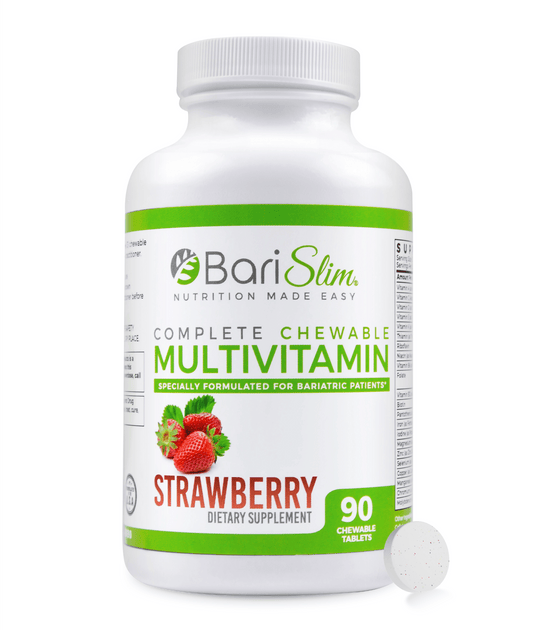
Daily Support: Include a multivitamin as part of your routine to support overall balance alongside hydration
Track Your Intake
Tracking your daily water intake can help you stay aware of your hydration levels.
Simple methods such as using a water bottle, setting reminders, or noting intake throughout the day can support more consistent hydration habits.
How GLP-1 Affects Thirst Signals
One of the less discussed effects of GLP-1 medications is how they influence thirst. While these medications are known for reducing appetite, they can also affect how often you feel the need to drink water.
For many individuals, thirst cues become less noticeable. This means that relying on thirst alone may not be enough to maintain proper hydration.
As a result, dehydration on GLP-1 medications can develop without clear warning signs early on. This is why hydration often needs to be more intentional and structured rather than reactive.
Building a routine that includes regular water intake throughout the day helps compensate for reduced thirst signals and supports more consistent hydration.
Best Times to Hydrate During the Day on GLP-1
Hydration becomes more effective when it is spread consistently across the day. Instead of trying to drink large amounts at once, focusing on timing can help support better absorption and consistency.
Morning Hydration
Starting your day with water helps restore fluid levels after sleep. This can support energy levels and set the tone for consistent hydration.
Between Meals
Drinking water between meals can be more comfortable than drinking large amounts during meals, especially when appetite is reduced.
Before and After Activity
Hydrating before and after movement or exercise helps maintain fluid balance and supports daily activity levels.
Evening Hydration
Maintaining light hydration in the evening can help support balance without disrupting sleep. Spacing intake earlier in the evening is often more comfortable.
Creating a simple schedule around these moments can make water intake on GLP-1 more consistent without needing constant reminders.
Hydration and Electrolyte Balance on GLP-1
Hydration is not only about water intake. Electrolytes play an important role in maintaining fluid balance throughout the body.
When fluid intake decreases, electrolyte balance may also shift. This can contribute to symptoms such as fatigue, dizziness, or dehydration.
Including electrolyte support as part of your routine can help maintain balance, especially during periods of lower intake or increased activity.
Water and electrolytes work together. While water supports overall hydration, electrolytes help regulate how that fluid is used and retained in the body.
When to Be Concerned About Dehydration on GLP-1
While mild dehydration is common, it is important to recognize when hydration levels may need more attention.
If GLP-1 dehydration symptoms persist despite increasing water intake, or begin to interfere with daily activities, it may be time to adjust your routine more intentionally.
Persistent Fatigue or Dizziness
If symptoms such as fatigue or dizziness continue even after improving hydration, this may indicate that fluid intake is still not meeting your needs.
Difficulty Maintaining Daily Activities
Ongoing low energy or difficulty staying consistent with routines can be a sign that hydration needs further support.
Lack of Improvement With Basic Adjustments
If increasing water intake alone does not improve how you feel, adding structure, consistency, or electrolyte support may help create better balance.
Paying attention to how your body responds over time is key. Small adjustments made early can help prevent more noticeable disruptions later.
What Happens If Dehydration Continues?
When dehydration on GLP-1 medications is not addressed, its effects can build gradually over time. What starts as mild discomfort can begin to affect how you feel and function throughout the day.
Because GLP-1 dehydration symptoms are often subtle at first, they can be overlooked until they begin to interfere with daily routines.
Increased Fatigue
Low hydration levels can reduce overall energy. You may feel more tired than usual, even with adequate rest.
Lower Energy Levels
Dehydration can make it harder to stay consistent with daily tasks, movement, and routines. This often shows up as reduced motivation or slower pacing throughout the day.
Difficulty Maintaining Daily Habits
As hydration drops, it can become more difficult to stay consistent with nutrition, activity, and structured routines. Over time, this can affect overall progress and stability.
Common Mistakes That Lead to Dehydration
Dehydration on GLP-1 medications is often not caused by a single issue, but by small gaps in daily habits that add up over time.
Not Drinking Enough Water
One of the most common causes of low fluid intake on GLP-1 is simply not drinking enough throughout the day. Without a structured approach, hydration can easily fall behind.
Relying on Thirst Alone
Thirst signals may be reduced while using GLP-1 medications. Waiting until you feel thirsty often means you are already behind on hydration.
Ignoring Early Symptoms
Early signs such as dry mouth, fatigue, or headaches are often overlooked. Addressing these signals early can help prevent more noticeable dehydration.
Inconsistent Hydration Habits
Irregular routines make it harder to maintain consistent water intake on GLP-1. Skipping hydration during busy periods can quickly add up.
Tips to Stay Consistent
Building simple, repeatable habits is one of the most effective ways to stay hydrated on GLP-1 medications.
Keep Water Nearby
Having water within reach throughout the day makes it easier to sip consistently without needing to think about it.
Use Reminders
Setting reminders on your phone or linking hydration to daily activities can help reinforce consistent intake.
Build Simple Habits
Pairing hydration with existing routines, such as meals or breaks, can make it easier to maintain over time. Keeping your approach simple supports long-term consistency.
Frequently Asked Questions
Below are answers to common questions about dehydration on GLP-1 medications and how to maintain consistent hydration.
Is dehydration common on GLP-1 medications?
Yes, dehydration on GLP-1 medications is very common. Reduced appetite and lower fluid intake can make it easy to fall behind on hydration without noticing, especially during the early stages of use.
How much water should I drink?
Hydration needs can vary based on body size, activity level, environment, medications, and overall health. Many individuals using GLP-1 medications focus on maintaining consistent fluid intake throughout the day rather than targeting a fixed number. A healthcare provider can help determine the right hydration approach for your routine.
What are the symptoms of dehydration?
Common GLP-1 dehydration symptoms include fatigue, dizziness, headaches, dry mouth, and dark urine. These signs can appear quickly if fluid intake drops.
Can electrolytes help?
Electrolytes can help support hydration and maintain fluid balance. They are often included as part of a daily hydration routine, especially when intake is lower or symptoms begin to appear.
What’s the easiest way to stay consistent?
The simplest approach is to build a routine. Regular water intake, electrolyte support, and small daily habits can make it easier to stay consistent without overthinking hydration.
Build a Simple Hydration Routine
A structured approach to hydration helps support your body when appetite and fluid intake are reduced on GLP-1 medications. Instead of relying on thirst alone, building consistent habits throughout the day can help maintain balance and reduce common symptoms like fatigue, dizziness, and headaches.
When hydration becomes part of your routine, it is easier to stay consistent without overthinking your intake. Small, repeatable actions across the day can support energy, stability, and overall daily function.
This article is for informational purposes only and should not be considered medical advice. Hydration needs can vary based on individual health conditions, medications, activity levels, and environment. Always consult your healthcare provider before making changes to your hydration, nutrition, supplement routine, or GLP-1 medication plan.