Order Free Sample


Duodenal switch surgery is one of the most effective weight loss procedures available, but it also carries the highest risk of long-term nutrient deficiencies of any common bariatric surgery.
Without a deliberate nutrition and supplement plan, patients can develop deficiencies in protein, fat-soluble vitamins, calcium, and iron within the first year after surgery.
Some of these deficiencies develop silently, with no symptoms until labs come back abnormal or a problem like bone loss or anemia is already underway.
This guide walks through what the procedure actually changes in your digestive system, and exactly how to prepare your diet and supplement routine before and after surgery. For the broader nutrition picture, see our Bariatric Nutrition Guide.
Quick Summary
Here is what matters most about nutrition before and after duodenal switch surgery.
- Duodenal switch (DS) combines a sleeve gastrectomy with intestinal rerouting, reducing both food intake and nutrient absorption.
- Because it's malabsorptive, DS carries a higher risk of protein, fat, and micronutrient deficiencies than gastric bypass or sleeve alone.
- Fat-soluble vitamins (A, D, E, K) need special attention since fat absorption is significantly reduced.
- Protein, calcium, iron, and B12 also require ongoing monitoring and supplementation.
- Protein intake needs to be prioritized aggressively from the earliest post-op stages onward.
- Lifelong lab monitoring and a structured supplement routine are non-negotiable after this procedure.
- Pre-surgery preparation can meaningfully reduce the severity of post-op deficiencies.
Who This Guide Is For
This guide is designed for:
- Patients scheduled for or considering duodenal switch surgery.
- Patients who are post-op and building or adjusting their long-term supplement routine.
- Caregivers helping a patient prepare for or recover from DS surgery.
- Anyone comparing duodenal switch to gastric bypass or sleeve gastrectomy.
- Patients whose recent labs flagged a vitamin, mineral, or protein deficiency post-surgery.
Why This Happens
Duodenal switch involves two separate changes to your digestive system, not just one.
First, a large portion of the stomach is removed, similar to a sleeve gastrectomy. This limits how much food you can eat at one time.
Second, the small intestine is rerouted so that food bypasses a long segment where fat, protein, and several key vitamins are normally absorbed.
This second step is what makes DS different from gastric bypass or sleeve alone. The bypassed segment is longer, so absorption is reduced more significantly.
This is intentional. It's a major reason DS produces some of the strongest long-term weight loss results of any bariatric procedure.
But it also means your body absorbs a smaller percentage of what you eat, for the rest of your life, not just during the initial recovery period.
Key Causes and Nutrients at Risk
DS affects several nutrients at once, and each for a slightly different reason. Understanding which ones carry the most risk explains why the supplement routine looks the way it does.
Fat-Soluble Vitamins (A, D, E, K)
These vitamins require dietary fat to be absorbed into the body. Since DS reduces fat absorption by design, deficiencies here are among the most common issues after this surgery.
Low vitamin A can affect vision and skin health over time. Low vitamin D and vitamin K both affect bone strength and, in the case of K, blood clotting.
Vitamin E deficiency is less common but can still occur, particularly in patients who aren't consistent with their supplement routine.
Protein
A smaller stomach means smaller meals, and intestinal rerouting means less of the protein you do eat gets absorbed.
Together, these two factors make protein deficiency a real risk, which can show up as muscle loss, slow wound healing, hair thinning, or persistent fatigue.
Calcium and Vitamin D
Calcium is absorbed primarily in the section of the small intestine most affected by the DS rerouting.
Combined with reduced vitamin D absorption, this raises long-term concerns about bone density that need to be monitored with regular scans, not just blood work.
Iron
Reduced stomach acid production after surgery, combined with the intestinal bypass, both interfere with how iron is absorbed from food.
This makes anemia a common post-DS issue, and it tends to affect menstruating patients more frequently and more severely.
Vitamin B12 and Zinc
These are also affected by the altered digestive anatomy and are typically added to a DS patient's long-term monitoring panel alongside the nutrients above.
Practical Solutions
Managing DS nutrition well comes down to preparation before surgery and consistency afterward. Each phase has its own priority.
Before Surgery
Talk to your surgical team about a pre-op nutrition plan, including baseline lab work for vitamin D, iron, B12, and protein status.
Going into surgery with strong nutrient levels gives your body more of a buffer during the early recovery period, when eating enough is hardest.
In the First Few Months After Surgery
Prioritize protein at every meal, even when appetite is low and portions are small.
Most surgical teams recommend 60-80 grams of protein per day during the maintenance phase, though your surgeon may set a higher target based on your specific case.
Ongoing, For Life
Take fat-soluble vitamins with a small amount of dietary fat when possible, since this improves how well they're absorbed.
Separate calcium and iron doses by at least two hours, since the two minerals compete for absorption and taking them together reduces how much of each you actually absorb.
Lab Monitoring
Schedule labs every 3-6 months for the first two years after surgery, then at least annually for life.
DS-related deficiencies can develop gradually and without obvious symptoms, so proactive labs catch problems well before they become serious.
Work with a registered dietitian familiar with malabsorptive bariatric procedures if one is available through your surgical program. Their guidance is more precise than general bariatric nutrition advice.
Supplements That May Help
A DS supplement routine generally covers four areas: baseline micronutrient coverage, protein support, hair health, and the two minerals that need to be dosed apart from each other.
Multivitamin
Most DS patients need a higher-dose multivitamin formulated for reduced absorption, rather than a standard multivitamin.
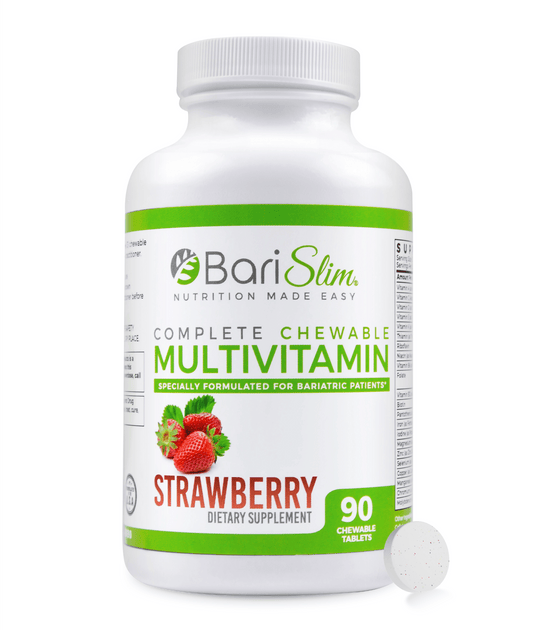
Our BariSlim Complete Chewable Bariatric Multivitamin is formulated for post-surgical absorption, with the higher doses and more bioavailable forms this kind of procedure requires.
Protein and Amino Acid Support
A dedicated protein source is also essential for consistently reaching daily protein targets when food volume is limited by a smaller stomach.
Alongside protein-focused meals, our BariSlim Lean Mass Support is a BCAA and essential amino acid formula, not a protein source, providing 7g of BCAAs and essential aminos per serving to support lean muscle during and after significant weight loss.
Hair Support
Hair thinning is common in the months after DS, driven by the combined effect of rapid weight loss and shifting nutrient levels.
Our BariSlim Hair Preserve provides targeted nutritional support for hair health during this phase, used alongside a bariatric multivitamin rather than in place of one.
Calcium and Iron
Separate calcium and iron supplements, rather than an all-in-one blend, are generally easier to space out properly across the day given the absorption competition between the two minerals.
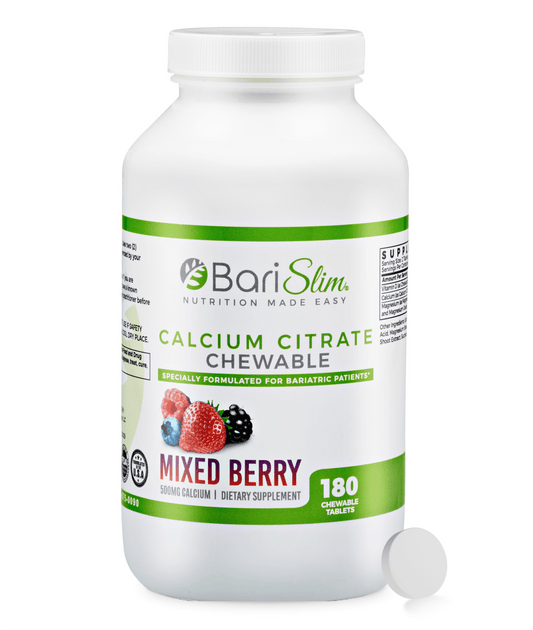
Our BariSlim Calcium Citrate Chewable delivers 500mg of calcium citrate with magnesium and vitamin D per serving in a 180-count bottle, in Mixed Berry and other flavors, formulated for post-surgical calcium needs.
Our BariSlim Bariatric Iron Plus delivers 30mg of iron with vitamin C and B12 in a stomach-friendly, once-daily capsule designed for reduced post-surgical absorption.
Daily Routine
Spacing supplements across the day improves absorption and keeps competing nutrients apart. Here is a simple structure most DS patients can follow.
- Morning: Fat-soluble vitamin dose taken with a small amount of dietary fat, alongside a protein-forward breakfast. Also a good time for your multivitamin, since taking it consistently at the same point each day helps build the habit.
- Midday: Calcium dose, taken separately from iron since the two compete for absorption, plus a protein-rich lunch. If you're also taking a B12 supplement, midday is a reasonable slot for it as well.
- Evening: Iron dose if prescribed, taken on its own and ideally with a source of vitamin C to support absorption. Avoid taking iron alongside calcium, coffee, or tea, since all three can interfere with absorption.
- Throughout the day: Steady water intake and small, protein-forward meals spaced evenly, since consistency supports both digestion and recovery better than large infrequent meals.
What Long-Term Follow-Up Looks Like
Duodenal switch is not a procedure you recover from and then leave behind. The malabsorptive component is permanent, which means your nutrient needs stay elevated for life.
Most surgical programs schedule labs every 3-6 months for the first two years, and at least once a year after that, checking protein status, fat-soluble vitamins, calcium, iron, B12, and zinc.
Bone density scans are typically added every couple of years given the long-term calcium and vitamin D absorption changes.
Staying engaged with this follow-up schedule, even once you feel completely recovered, is what actually prevents the deficiencies this guide describes.
Frequently Asked Questions
Common questions from patients preparing for or recovering from duodenal switch surgery.
How is duodenal switch different from gastric bypass?
Both reroute the intestines, but DS also removes a larger portion of the stomach and reroutes a longer intestinal segment, making it more malabsorptive than gastric bypass.
Do I need supplements for the rest of my life after duodenal switch?
Yes. Because the malabsorptive component is permanent, most surgical teams recommend lifelong supplementation and regular lab monitoring, not just during initial recovery.
What happens if I skip my fat-soluble vitamins?
Deficiencies in vitamins A, D, E, or K can develop gradually and may affect vision, bone density, or blood clotting. Regular labs help catch this early, before symptoms appear.
How much protein do I actually need after duodenal switch?
Many surgical teams recommend 60-80 grams per day during maintenance, though your specific target should come from your care team based on your surgery and health history.
Why do I need to separate my calcium and iron doses?
Calcium and iron compete for absorption in the intestine. Taking them together significantly reduces how much of each mineral your body actually absorbs.
Is anemia common after duodenal switch?
Yes, particularly in menstruating patients. Reduced stomach acid and altered intestinal absorption both make iron deficiency more likely, which is why iron levels are checked regularly.
Can I prepare for these nutrient risks before surgery?
Yes. Baseline labs and correcting any existing deficiencies before surgery gives your body a stronger starting point going into the malabsorptive recovery period.
Support Your Routine
Duodenal switch produces powerful results, but those results depend on a nutrition and supplement routine you stay consistent with for life.
Building that routine early, and staying engaged with lab monitoring even once you feel fully recovered, is what keeps the deficiencies this guide describes from developing quietly in the background.
Compare procedures in our guides on vitamins after bariatric surgery and gastric bypass recovery.
For protein guidance specifically, see our Protein Intake for Weight Loss guide.
This article is for informational purposes only and should not be considered medical advice. Always consult your healthcare provider before making changes to your nutrition, exercise, supplement routine, or bariatric care plan.