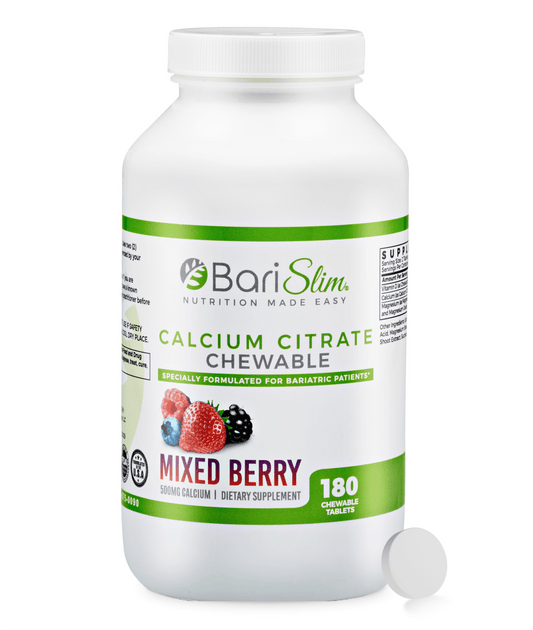
Order Free Sample


GLP-1 medications like Ozempic and Wegovy can significantly change the way people approach food, appetite, and daily eating habits. As appetite decreases and portion sizes become smaller, diet quality often becomes more important than diet quantity.
This is why building the right diet while taking GLP-1 medications matters. A balanced approach can help support energy, muscle maintenance, digestion, and long-term stability while adjusting to changing eating patterns.
The goal is not to follow an overly restrictive plan. Instead, the focus is usually on simple meals, practical food choices, and routines that feel sustainable over time.
This guide explains what to eat on Ozempic and what to eat on Wegovy, including practical meal ideas, foods that may feel easier to tolerate, and strategies for building a simple GLP-1 diet plan that fits into daily life.
Quick Summary
- GLP-1 medications often reduce appetite, portion sizes, and meal frequency
- A balanced GLP-1 diet focuses on protein, hydration, nutrient density, and consistency
- Smaller, protein-focused meals are often easier to tolerate than large meals
- Hydration and nutrient intake become more important as overall food intake decreases
- Simple meal structures and repeatable routines may help support long-term consistency
- Large, greasy, or highly processed meals may feel harder to tolerate on GLP-1 medications
- A structured approach can help support energy, digestion, and overall daily balance
Who This Guide Is For
This guide is designed for:
- Ozempic users
- Wegovy users
- Semaglutide users
- Anyone looking for a simple, practical diet plan while using GLP-1 medications
What Is the Best Diet on GLP-1 Medications?
The best diet while taking GLP-1 medications is usually built around simplicity, balance, and consistency rather than extreme restriction.
Because appetite and portion sizes often decrease on GLP-1 medications, food quality becomes more important. Smaller meals mean your body still needs enough protein, hydration, vitamins, minerals, and overall nutritional support throughout the day.
Instead of focusing only on eating less, a balanced GLP-1 diet plan focuses on choosing foods that help maintain energy, support muscle, and fit comfortably into changing eating habits.
Most structured GLP-1 eating plans prioritize:
- Protein intake
- Hydration
- Nutrient-dense foods
- Small, balanced meals
- Simple and repeatable routines
Large meals, long gaps between eating, or inconsistent intake patterns may feel harder to manage while using GLP-1 medications. Many individuals find that lighter meals spaced more evenly throughout the day feel easier to tolerate.
The goal is not perfection. A sustainable approach built around manageable meals and structured habits is often easier to maintain long term.
Key Principles of a GLP-1 Diet
A successful diet while taking GLP-1 medications is usually built around a few core habits. Since appetite and meal size often decrease, focusing on the right priorities can help make nutrition easier to manage.
Rather than following restrictive rules, many individuals benefit from a structured approach centered around protein, hydration, nutrient balance, and simple eating patterns.
GLP-1 Diet Overview
| Principle | Why It Matters |
|---|---|
| Protein First | Supports muscle maintenance and recovery |
| Small Meals | May feel easier to digest and tolerate |
| Hydration | Supports energy, digestion, and daily balance |
| Consistency | Supports long-term routine stability |
Prioritize Protein
Protein is one of the most important parts of a balanced GLP-1 diet plan. As appetite decreases, maintaining adequate protein intake becomes more important for supporting muscle, recovery, and overall daily function.
Many individuals unintentionally reduce protein intake because meals become smaller and less frequent. Over time, this may affect strength, body composition, and overall consistency.
Building meals around protein sources such as eggs, chicken, fish, Greek yogurt, or protein shakes can help make nutrition more balanced while using GLP-1 medications.
Protein Support

Meeting your daily protein goals while using GLP-1 medications is much easier when you have a reliable, easy-to-use option built into your routine.
That's where a high-quality protein shake can help you stay consistent, especially on days when appetite is low or meal prep feels difficult.
- Easy to prepare and include between meals
- Designed for smaller appetites and reduced intake
- Gentle and practical for daily use
- Helpful on days when meals feel difficult to manage
Eat Smaller, More Frequent Meals
Large meals may feel uncomfortable while using GLP-1 medications because digestion slows down and fullness occurs more quickly.
Many individuals find that smaller meals spaced throughout the day feel easier to tolerate than eating large portions at once.
This approach may also help make protein intake, hydration, and overall nutrition feel more manageable without overwhelming digestion.
Stay Hydrated
Hydration is an important part of any GLP-1 eating plan. Reduced appetite and lower thirst signals can make it easier to unintentionally drink less water throughout the day.
Consistent hydration helps support digestion, energy levels, and overall daily balance while adjusting to changing eating patterns.
Building hydration into your routine instead of relying only on thirst can help make fluid intake more consistent.
Focus on Nutrient Density
When portion sizes become smaller, food quality often becomes more important. Nutrient-dense foods help provide more nutritional value without requiring large portions.
Choosing foods rich in protein, vitamins, minerals, and fiber can help support a more balanced routine while following a semaglutide diet.
This is one reason many individuals prioritize simple meals built around protein, vegetables, fruits, and balanced carbohydrates.
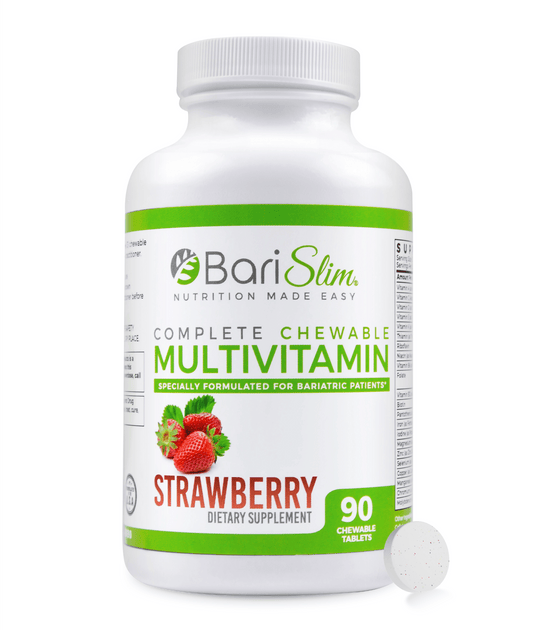
Daily Multivitamin

If you’re looking for a simple starting point, a high-quality multivitamin can help support your daily nutrient intake while on GLP-1 medications.
- Supports daily nutrient intake with reduced food consumption
- Designed for consistent use alongside GLP-1 medications
- Helps simplify your routine
What to Eat on GLP-1
One of the most common questions people ask is what to eat on Ozempic or what to eat on Wegovy. Since appetite, digestion, and portion sizes often change, meals may start to feel very different while using GLP-1 medications.
The goal is not to follow an extreme or highly restrictive plan. Instead, most balanced GLP-1 meal plans focus on foods that are practical, nutrient-dense, and easier to tolerate consistently.
Choosing foods that support protein intake, hydration, and digestion can help make daily nutrition feel more manageable while adjusting to changing eating habits.
Protein-Rich Foods
Protein is one of the most important parts of a balanced GLP-1 diet plan. Since overall intake is often lower, prioritizing protein can help support muscle maintenance, recovery, and overall daily stability.
Many individuals find that smaller protein-focused meals feel easier to tolerate than heavier meals with large portions.
Examples of protein-rich foods include:
- Chicken and turkey
- Fish and seafood
- Eggs
- Greek yogurt and cottage cheese
- Protein shakes
- Plant-based proteins such as tofu, lentils, and beans
Spreading protein intake across the day may also feel more manageable than consuming large amounts in one sitting.
Hydrating Foods
Hydration becomes more important on GLP-1 medications because both appetite and thirst signals may decrease.
Foods with higher water content can help support hydration while also feeling lighter and easier to tolerate during periods of lower appetite.
Examples of hydrating foods include:
- Fruits such as watermelon, oranges, berries, and grapes
- Vegetables such as cucumber, lettuce, celery, and zucchini
- Broths and lighter soups
- Smoothies with protein and fluids
Including hydrating foods regularly may help support digestion, fluid balance, and overall comfort while following a GLP-1 eating plan.
Easy-to-Digest Foods
Digestion often slows down while using GLP-1 medications, which means some foods may feel heavier or harder to tolerate than usual.
Many individuals prefer lighter meals and simpler food combinations, especially during the early stages or after dosage increases.
Fiber-rich foods may also help support digestion and overall meal balance while using GLP-1 medications.
Examples of easier-to-digest foods include:
- Soft proteins such as eggs, yogurt, or fish
- Light soups and broths
- Rice, oats, or toast in moderate portions
- Simple meals with fewer heavy ingredients
- Smoothies or protein shakes
Keeping meals lighter and more manageable may help reduce feelings of fullness or digestive discomfort throughout the day.
Foods to Be Mindful Of
Some foods may feel more difficult to tolerate while adjusting to GLP-1 medications. This does not necessarily mean they must be completely avoided, but paying attention to portion size and meal composition may help improve comfort.
Foods that some individuals find harder to tolerate include:
- High-fat foods
- Large meals
- Heavy or greasy foods
- Highly processed foods
- Very rich meals with large portions
These foods may sometimes contribute to feelings of heaviness, fullness, nausea, or digestive discomfort while digestion is adjusting.
Sample GLP-1 Diet Plan
A simple structure can make eating feel more manageable while using GLP-1 medications. Since appetite often changes from day to day, having a flexible routine may help support consistency without making meals feel overwhelming.
This sample GLP-1 meal plan focuses on protein, hydration, and balanced intake throughout the day.
| Time | Focus | Example Ideas |
|---|---|---|
| Morning | Protein-focused meal or shake | Eggs, Greek yogurt, protein shake, water |
| Midday | Balanced meal with protein + nutrients | Chicken, vegetables, rice or potatoes |
| Afternoon | Hydration + light snack | Electrolytes, fruit, protein snack, broth |
| Evening | Smaller, protein-focused meal | Fish, vegetables, lighter meal portion |
The goal is not to follow a rigid schedule perfectly every day. Instead, this type of structure helps simplify your diet while taking GLP-1 medications and makes balanced nutrition easier to maintain long term.
How to Stay Consistent
Consistency is one of the most important parts of maintaining a balanced diet while taking GLP-1 medications. Simple habits that fit naturally into your routine are often easier to sustain than strict or overly complicated plans.
Keep Meals Simple
Meals do not need to be complicated to support your goals. Building meals around protein, hydration, and balanced portions can help make nutrition feel easier to manage day to day.
Plan Ahead
Keeping convenient foods available may help reduce skipped meals and make nutrition more manageable during busy days or periods of lower appetite.
Focus on Routine
Repeating simple meal and hydration habits throughout the week can help reduce inconsistency and make long-term habits easier to maintain.
Common Diet Mistakes on GLP-1
Small gaps in routine can gradually affect energy, hydration, and overall balance while using GLP-1 medications. Recognizing these common mistakes early may help support a more sustainable approach.
Not Eating Enough Protein
Protein is one of the most important parts of a balanced GLP-1 diet plan. Low protein intake may affect muscle maintenance, recovery, and overall daily stability.
Skipping Meals
Reduced appetite can make it easy to unintentionally skip meals. Long gaps between eating may make it harder to maintain balanced nutrition throughout the day.
Ignoring Hydration
Lower thirst signals and reduced intake can make hydration more difficult to maintain consistently. Building hydration into your routine may help support energy and digestion.
Overcomplicating Diet
Highly restrictive plans and complicated meal structures are often harder to maintain long term. Simple and repeatable habits are usually more sustainable.
Frequently Asked Questions
Below are answers to common questions about building a diet while taking GLP-1 medications.
What should I eat on GLP-1 medications?
Most balanced GLP-1 meal plans focus on protein, hydration, nutrient-dense foods, and smaller meals that feel easier to tolerate consistently.
How many meals should I eat?
Many individuals find that smaller, balanced meals spaced throughout the day feel easier to manage than large portions.
Do I need supplements?
Because appetite and intake often decrease, some individuals include supplements to help support nutrient intake and daily routine consistency.
What foods should I avoid?
Large, heavy, greasy, or high-fat meals may feel harder to tolerate while adjusting to GLP-1 medications.
What’s the easiest way to stay consistent?
A simple routine built around protein, hydration, and balanced meals is often easier to maintain long term.
Build a Simple, Sustainable Diet
Your diet while taking GLP-1 medications does not need to feel complicated or restrictive. A structured approach focused on protein, hydration, balanced meals, and repeatable habits can help make nutrition easier to manage.
Focusing on simple routines and practical food choices may help support energy, daily balance, and long-term consistency while adjusting to changing appetite patterns.
This article is for informational purposes only and should not be considered medical advice. Always consult your healthcare provider before making changes to your nutrition, exercise, supplement routine, or GLP-1 medication plan.