Order Free Sample


GLP-1 medications like Ozempic and Wegovy have changed how many people approach weight management. They can help reduce appetite, support consistent calorie control, and make weight loss feel more manageable.
But alongside these benefits, one concern continues to come up: muscle loss on GLP-1 medications.
The reality is that GLP-1 muscle loss is not caused directly by the medication itself. Instead, it is usually the result of how your daily habits change while using it.
Reduced appetite, lower calorie intake, and inconsistent nutrition can all influence how your body maintains lean mass.
The good news is that muscle loss is not inevitable. With the right structure, consistent nutrition, and simple daily habits, you can support your body and maintain lean mass while continuing to lose weight.
Quick Summary
- Muscle loss on GLP-1 medications is usually caused by reduced calorie intake, not the medication itself
- Low protein intake and rapid weight loss increase the risk of lean mass loss on GLP-1
- Strength training and consistent nutrition help support muscle maintenance
- Protein intake plays a key role in improving GLP-1 body composition
- A simple, structured routine makes it easier to stay consistent over time
Who This Guide Is For
This guide is designed for:
- Ozempic users
- Wegovy users
- Semaglutide users
- Anyone focused on maintaining muscle and body composition
Does GLP-1 Cause Muscle Loss?
A common question is whether medications like Ozempic or Wegovy directly cause muscle loss. The short answer is no. Muscle loss on GLP-1 medications is not a direct effect of the drug itself.
However, changes in appetite and eating patterns can indirectly lead to lean mass loss on GLP-1. These changes often include:
- Reduced calorie intake
- Lower protein intake
- Rapid weight loss
Each of these factors plays a role in shaping GLP-1 body composition. When your body is in a calorie deficit without adequate nutritional support, it may break down both fat and muscle tissue.
This is why understanding how to structure your routine is essential. The goal is not just weight loss, but maintaining a balance where fat loss is prioritized while muscle is supported.
Why Muscle Loss Happens on GLP-1
To understand muscle loss on GLP-1 medications, it helps to look at what changes in your daily routine. Most of the drivers are not complex. Instead, they are the result of simple shifts that add up over time.
When these factors are not addressed, the body may struggle to maintain lean mass during weight loss.
Reduced Calorie Intake
One of the primary effects of GLP-1 medications is appetite suppression. This often leads to a significant drop in daily calorie intake. While this supports fat loss, it also reduces the total energy available to the body.
When calorie intake becomes too low, the body looks for alternative energy sources. This can include both stored fat and muscle tissue. Over time, this contributes to lean mass loss on GLP-1.
This is not a failure of the medication. It is simply how the body responds when energy intake drops without additional support.
Low Protein Intake
Protein is one of the most important nutrients for maintaining muscle. However, many individuals on GLP-1 medications unintentionally reduce their protein intake due to decreased appetite.
This creates a gap between what the body needs and what it receives. Without enough protein, the body has fewer resources to maintain lean mass.
This is one of the most overlooked contributors to protein-related GLP-1 muscle loss. Even when total calories are reduced, protein intake needs to remain consistent.
Recommended Protein Support

Meeting your daily protein goals while using GLP-1 medications is much easier when you have a reliable, easy-to-use option built into your routine.
That's where a high-quality protein shake can help you stay consistent, especially on days when appetite is low or meal prep feels difficult.
- Easy to prepare and include between meals
- Designed for smaller appetites and reduced intake
- Gentle and practical for daily use
- Helpful on days when meals feel difficult to manage
Rapid Weight Loss
GLP-1 medications can accelerate weight loss, especially in the early stages. While this can feel encouraging, faster weight loss increases the likelihood of losing muscle alongside fat.
This is commonly seen in cases of semaglutide muscle loss, where weight drops quickly but body composition is not actively managed.
A more structured approach, focused on nutrition and activity, helps reduce this risk and supports more balanced results.
Lack of Resistance Training
Muscle is maintained through use. When the body does not receive a signal to preserve muscle, such as resistance training, it becomes more likely to lose it during weight loss.
This does not require an intense workout routine. Even light strength-based exercises can help support muscle retention.
Without this stimulus, the body adapts by reducing muscle mass, especially during periods of lower calorie intake.
Understanding this connection is key when learning how to prevent muscle loss on GLP-1. It is not about doing everything perfectly, but about creating a routine that consistently supports your body.
How to Help Maintain Muscle on GLP-1
Maintaining lean mass while losing weight on GLP-1 medications comes down to a few consistent strategies.
| Strategy | Why It Matters |
|---|---|
| Protein Intake | Supports muscle maintenance |
| Resistance Training | Supports strength |
| Consistency | Supports long-term results |
Prioritize Protein Intake
Protein is one of the most important factors in maintaining muscle, especially during weight loss. It provides the essential building blocks your body needs to preserve lean mass.
Including a protein source with each meal and using convenient options when needed can help maintain consistent intake throughout the day.
Stay Consistent With Nutrition
Consistency matters more than perfection. Regular meals, balanced nutrition, and steady intake patterns help support your body over time.
Even small, consistent efforts tend to produce better long-term results than irregular or restrictive patterns.
Include Resistance Training
Strength training plays a key role in maintaining muscle. It signals the body to preserve lean mass, even during periods of calorie reduction.
This does not require an intense routine. Simple exercises performed consistently can help support muscle retention.
Build a Simple Routine
A structured routine helps support muscle maintenance and daily habits, especially when appetite and intake patterns change on GLP-1.
- Protein support helps maintain consistent daily intake, even with smaller meals
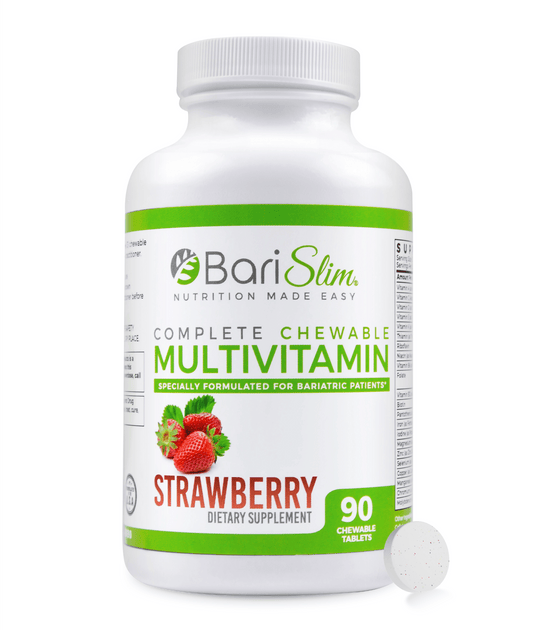
- Multivitamin supports overall nutrient balance as part of your foundation
- Hydration helps maintain daily stability and supports your routine
Keeping your routine simple and repeatable makes it easier to stay consistent over time.
What to Expect Over Time
Studies on GLP-1 body composition show that a portion of weight loss may come from lean mass, especially when protein intake and resistance training are low.
As your routine improves, your body is better supported in maintaining lean mass while continuing to lose weight.
How GLP-1 Affects Body Composition
Weight loss on GLP-1 medications does not only involve fat. Body composition changes can include both fat loss and lean mass changes, depending on how your routine is structured.
Understanding this distinction helps you focus on maintaining muscle while continuing to lose weight in a balanced way.
Individuals who include adequate protein and consistent strength-based activity tend to support a more favorable body composition over time.
How Much Protein Do You Need on GLP-1?
Protein intake is one of the most important factors in supporting muscle maintenance.
Protein needs can vary based on body weight, activity level, age, and overall goals. Many GLP-1 users aim to increase protein intake throughout the day, though individual needs may differ. A healthcare provider or registered dietitian can help determine the right amount for your routine.
Spreading protein intake across meals and using convenient options when needed can make it easier to stay consistent, even with reduced appetite.
The Role of Strength Training on GLP-1
Strength training plays a central role in maintaining lean mass during weight loss. It provides the stimulus your body needs to preserve muscle.
This does not require a complex routine. Simple exercises performed consistently can help support muscle retention.
Even two to three sessions per week can make a meaningful difference when combined with proper nutrition and consistency.
Signs You May Be Losing Muscle on GLP-1
Weight loss on GLP-1 medications does not always come exclusively from body fat. In some cases, lean mass loss on GLP-1 can also occur, especially when nutrition and activity levels are inconsistent.
Recognizing the early signs of muscle loss on GLP-1 medications can help you make adjustments before the issue becomes more noticeable over time.
Decreased Strength
One of the most common signs of GLP-1 muscle loss is a noticeable drop in strength. Daily tasks, workouts, or carrying heavier items may begin to feel more difficult than usual.
This can happen when the body loses lean mass alongside fat during periods of rapid weight loss or low protein intake.
Feeling More Fatigued
Some individuals notice lower energy levels during workouts or throughout the day. While calorie reduction can naturally affect energy, ongoing fatigue combined with weakness may also reflect changes in muscle mass.
Supporting your nutrition, hydration, and protein intake can help reduce the likelihood of these issues becoming more severe.
Reduced Muscle Tone
Changes in body composition may also affect how muscle definition looks over time. Arms, legs, or other areas may appear less firm during periods of rapid weight loss.
This is one reason why maintaining protein intake and including resistance training is often recommended while using GLP-1 medications.
Slower Recovery After Activity
If your body feels slower to recover after workouts or physical activity, it may indicate that your nutrition and recovery routine need additional support.
Recovery becomes especially important during weight loss, since the body is already adapting to reduced calorie intake.
Can You Build Muscle While Taking GLP-1 Medications?
A common question among Ozempic and Wegovy users is whether muscle growth is still possible during weight loss.
The answer is that building muscle on GLP-1 medications may still be possible, but expectations often need to be adjusted depending on calorie intake, training consistency, and overall nutrition.
Muscle Gain May Be Slower During Weight Loss
Building muscle typically requires adequate nutrition and recovery. Since GLP-1 medications often reduce appetite and calorie intake, gaining muscle may happen more slowly than it would during a maintenance or calorie-surplus phase.
However, maintaining lean mass and improving strength are still realistic goals for many individuals.
Strength Training Still Matters
Even if significant muscle growth is not the primary goal, resistance training remains one of the best ways to help preserve lean mass during weight loss.
Exercises such as resistance bands, bodyweight exercises, dumbbell training, or machine-based workouts can all help provide the stimulus your body needs to maintain muscle.
Nutrition Plays a Major Role
Protein intake becomes even more important when trying to support muscle on GLP-1 medications. Without adequate protein, the body has fewer resources available for recovery and muscle maintenance.
This is why many individuals focus on balanced meals, protein-rich snacks, and consistent intake throughout the day.
Progress Can Still Happen
While rapid muscle growth may not be the primary focus during GLP-1 weight loss, many individuals still improve their strength, stability, and overall body composition over time.
A balanced routine focused on consistency often produces more sustainable long-term results than aggressive short-term approaches.
Best Foods to Support Muscle While Using GLP-1
Food choices can make a major difference when trying to reduce muscle loss on GLP-1 medications. Since appetite is often lower, prioritizing nutrient-dense and protein-rich foods becomes especially important.
The goal is not perfection. Instead, focus on foods that are practical, easy to tolerate, and realistic to include consistently.
Greek Yogurt
Greek yogurt is a convenient option for many GLP-1 users because it provides protein in a smaller portion size. It can also be easier to manage on days when appetite feels reduced.
Adding fruit, chia seeds, or nuts can help create a more balanced snack or meal.
Eggs
Eggs provide protein and are easy to prepare in different ways. They can work well for breakfast, smaller meals, or quick snacks throughout the day.
For individuals struggling with large meals, smaller protein-focused options like eggs may feel more manageable.
Protein Shakes
Protein shakes can help support daily protein intake when meal preparation feels difficult or appetite is inconsistent.
This is one reason protein shakes are commonly used in routines focused on reducing lean mass loss on GLP-1.
Chicken and Fish
Lean protein sources such as chicken and fish can help support muscle maintenance while fitting into a balanced nutrition plan.
Preparing these foods in simple, easy-to-digest meals may help make consistent eating easier during GLP-1 use.
Cottage Cheese and Protein Snacks
Smaller high-protein snacks can help fill gaps throughout the day when larger meals feel difficult.
Options like cottage cheese, protein bars, or simple protein-focused snacks may help support more consistent nutrition patterns over time.
Common Mistakes That Can Increase Muscle Loss
When using GLP-1 medications, small gaps in daily habits can add up over time. These are some of the most common factors that contribute to muscle loss on GLP-1 medications, especially when weight loss is happening quickly.
Not eating enough protein
Protein is essential for maintaining lean mass. When intake is too low, the body has fewer resources to support muscle, increasing the risk of lean mass loss on GLP-1.
Skipping meals
Reduced appetite can lead to missed meals or long gaps between eating. This makes it harder to maintain consistent nutrition and can contribute to muscle breakdown over time.
No strength training
Without resistance-based activity, the body receives no signal to preserve muscle. This makes GLP-1 muscle loss more likely, especially during periods of calorie reduction.
Inconsistent routine
Irregular eating, movement, and hydration patterns can make it difficult to support your body effectively. Consistency is one of the most important factors in maintaining muscle during weight loss.
Frequently Asked Questions
Does Ozempic cause muscle loss?
Muscle loss on Ozempic is not caused directly by the medication. It is usually the result of reduced calorie intake, lower protein consumption, and rapid weight loss. When these factors are managed properly, it becomes much easier to support muscle maintenance.
How can I maintain muscle on GLP-1?
Maintaining muscle while using GLP-1 medications comes down to a few key habits. Prioritizing protein intake, staying consistent with meals, and including resistance training can all help reduce GLP-1 muscle loss. Even simple routines can make a meaningful difference when followed regularly.
How much protein should I eat?
Protein needs vary based on body weight, activity level, age, and overall goals. Many individuals aim to increase protein intake throughout the day while using GLP-1 medications, but a healthcare provider or registered dietitian can help determine the right amount for your needs.
Is muscle loss permanent?
Muscle loss is not necessarily permanent. With the right approach, focused on nutrition, strength training, and consistency, you can support your body in maintaining or rebuilding lean mass over time. The key is staying consistent rather than relying on short-term changes.
What’s the easiest way to stay consistent?
The simplest approach is to build a routine that fits into your daily life. A combination of regular meals, protein support, hydration, and basic movement creates a structure that is easier to maintain. When habits are simple and repeatable, long-term consistency becomes much more achievable.
Support Your Strength and Routine
Maintaining muscle while using GLP-1 medications is not automatic, but it is achievable with the right routine. A simple, structured approach to protein intake, hydration, and daily habits can help support lean mass while continuing your weight loss journey.
A structured approach helps reduce the risk of muscle loss on GLP-1 medications while improving overall body composition and sustainability.
This article is for informational purposes only and should not be considered medical advice. Always consult your healthcare provider before making changes to your nutrition, exercise, supplement routine, or GLP-1 medication plan.