Order Free Sample


While optimizing your protein intake for weight loss often takes center stage, electrolytes play an equally important role in your hydration, energy balance, muscle function, and overall daily well-being.
Many people losing weight through GLP-1 medications, bariatric surgery, increased exercise, or structured nutrition changes may unintentionally fall behind on electrolyte intake, especially when food intake becomes smaller or hydration habits change.
This guide explains what electrolytes are, why they matter during weight loss, common signs of imbalance, and how hydration, food choices, and supplementation may help support better electrolyte balance over time.
For a broader overview of nutrition, habit-building, supplementation, and long-term maintenance during treatment, see our complete guide to the best supplements for GLP-1 medications.
Quick Summary
- Electrolytes help regulate hydration, muscle function, nerve signaling, and energy balance
- The main electrolytes include sodium, potassium, magnesium, and chloride
- Reduced food intake, sweating, exercise, and rapid weight loss may increase electrolyte needs
- Low electrolyte levels may contribute to fatigue, headaches, dizziness, muscle cramps, or weakness
- GLP-1 users and bariatric patients often benefit from paying closer attention to hydration and electrolyte intake
- Electrolytes may come from food, fluids, or structured supplementation depending on individual needs
Who This Guide Is For
This guide is designed for:
- Anyone pursuing weight loss through nutrition, medication, surgery, or lifestyle changes
- GLP-1 users managing appetite reduction and hydration challenges
- Bariatric patients during recovery or long-term maintenance
- Individuals exercising regularly while losing weight
- People experiencing fatigue, headaches, dizziness, or muscle cramps during weight loss
What Are Electrolytes?
Electrolytes are minerals that carry an electrical charge when dissolved in body fluids. They help regulate hydration, support muscle and nerve function, maintain fluid balance, and support normal body processes throughout the day.
The primary electrolytes include sodium, potassium, magnesium, calcium, and chloride. Each plays a slightly different role, but they work together to help maintain overall balance and function within the body.
Most people naturally get electrolytes through food and fluids without thinking much about them. During periods of weight loss, however, electrolyte intake and balance may become harder to maintain, especially when food intake decreases, hydration changes, or fluid losses increase.
Why Electrolytes Matter During Weight Loss
Several common aspects of weight loss may affect hydration and electrolyte balance. Understanding these changes may help explain why symptoms such as fatigue, headaches, dizziness, or muscle cramps sometimes appear during weight loss.
Reduced Food Intake
Smaller meals often mean lower intake of many nutrients, including electrolytes.
Foods naturally rich in potassium, magnesium, sodium, and other minerals contribute significantly to daily electrolyte intake, so eating less overall may gradually reduce electrolyte intake as well.
Reduced Thirst Signals During GLP-1 Use
Many GLP-1 users notice lower thirst signals along with reduced appetite.
Some individuals unintentionally drink less water throughout the day because they simply do not feel thirsty as often, which may increase the risk of dehydration and electrolyte imbalance over time.
Rapid Weight Loss and Fluid Shifts
Rapid weight loss is often accompanied by increased water loss, particularly during the early phases of GLP-1 treatment or throughout your bariatric surgery recovery timeline.
As fluid levels shift, the body may also lose electrolytes along with that water loss, which can contribute to fatigue, weakness, headaches, or dizziness.
Increased Activity and Sweating
Exercise and increased physical activity may raise electrolyte needs because electrolytes are lost through sweat.
People exercising regularly during weight loss often benefit from paying closer attention to hydration and electrolyte intake, especially during hot weather or longer workouts.
Digestive Changes
Bariatric surgery and some weight loss medications may affect digestion and fluid balance in ways that influence electrolyte levels.
Vomiting, diarrhea, dumping syndrome, or ongoing nausea may sometimes contribute to more significant electrolyte losses over shorter periods of time.
Signs of Low Electrolytes
Electrolyte imbalances often develop gradually, and the symptoms can sometimes be mistaken for general fatigue, dehydration, or stress.
Recognizing common signs early may help make adjustments before symptoms become more disruptive.
Possible signs of low electrolytes may include:
- Fatigue or lower energy levels
- Headaches
- Dizziness, especially when standing up quickly
- Muscle cramps, twitching, or weakness
- Difficulty concentrating or brain fog
- Heart palpitations or irregular heartbeat sensations
- Salt cravings
- Constipation
These symptoms can have many possible causes, but when several appear together during weight loss, hydration and electrolyte balance may be worth evaluating.
The Main Electrolytes and Why They Matter
Each electrolyte supports different functions within the body, although they work together to help maintain overall balance, hydration, and normal body function.
Sodium
Sodium helps regulate fluid balance and supports nerve and muscle function.
Although sodium intake is often high in heavily processed diets, intake may drop significantly during weight loss, low-carb eating, GLP-1 treatment, or bariatric recovery because food intake becomes smaller overall.
Low sodium levels may contribute to fatigue, headaches, dizziness, weakness, or lower blood pressure symptoms.
Potassium
Potassium works closely with sodium to support fluid balance, heart function, muscle contractions, and nerve signaling.
Foods naturally rich in potassium may include bananas, potatoes, spinach, avocados, oranges, beans, and dairy products.
Low potassium levels may contribute to muscle cramps, weakness, fatigue, or heart palpitations.
Magnesium
Magnesium supports muscle function, nerve transmission, sleep quality, and energy production.
Common food sources may include nuts, seeds, leafy greens, legumes, whole grains, and dark chocolate.
Low magnesium levels may contribute to muscle cramps, headaches, fatigue, sleep difficulties, or increased muscle tension.
Some individuals may already have lower magnesium intake even before beginning a weight loss routine.
Calcium
Calcium supports bone health, muscle contractions, and nerve signaling.
Many people obtain calcium through dairy products, fortified foods, leafy greens, or supplementation.
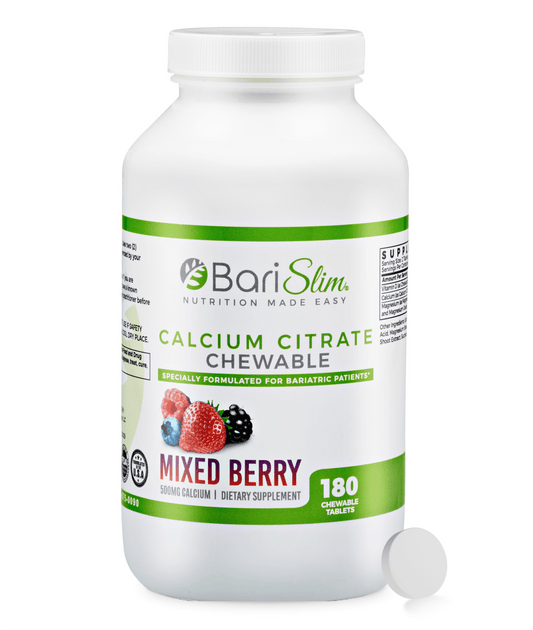
Bariatric patients often receive specific calcium guidance because nutrient absorption changes after surgery. Calcium citrate is commonly preferred because it is generally absorbed more effectively after bariatric procedures.
Chloride
Chloride works alongside sodium to help maintain fluid balance and support digestion.
Chloride deficiencies are less common on their own but may occur during significant fluid losses related to vomiting, diarrhea, or dehydration.
How to Maintain Electrolyte Balance
Many people maintain healthy electrolyte balance through a combination of balanced meals, hydration habits, and supplementation when needed.
Electrolytes From Food
Whole foods naturally provide many important electrolytes.
Common electrolyte-rich foods may include:
- Bananas
- Oranges
- Avocados
- Spinach and leafy greens
- Sweet potatoes
- Nuts and seeds
- Dairy products
- Eggs
- Lean meats and fish
For some individuals, modest salt intake during meals may also help support sodium balance, especially during lower-carb eating patterns or periods of increased sweating.
Electrolytes Through Fluids
Water remains the foundation of hydration, but fluids alone do not always replace electrolytes lost through sweating, reduced intake, vomiting, or rapid weight loss.
Some people use:
- Sugar-free electrolyte powders or drops added to water
- Lower-sugar electrolyte drinks
- Broths and clear soups
- Coconut water in moderation
Many people prefer products with relatively low added sugar while still providing meaningful electrolyte support.
Electrolyte Supplementation
Some individuals benefit from structured electrolyte supplementation during weight loss, particularly GLP-1 users, bariatric patients, or people exercising regularly.
Many electrolyte products contain sodium, potassium, magnesium, and chloride in balanced amounts designed to support hydration and daily electrolyte intake.
Some people also use magnesium separately in the evening because it may help support muscle relaxation and sleep quality in addition to electrolyte balance.
When Electrolyte Support Becomes More Important
Many people maintain electrolyte balance through regular meals and hydration habits alone, but some situations may increase electrolyte needs more significantly.
Heavy Exercise and Sweating
Longer workouts, exercise in hot weather, or higher sweat loss may increase the body's need for electrolytes.
During these periods, electrolyte beverages or supplements may help replace sodium, potassium, and other minerals lost through sweat.
Illness and Fluid Loss
Vomiting, diarrhea, fever, or poor fluid intake during illness may lead to more rapid electrolyte depletion.
Some people use oral rehydration solutions or sugar-free electrolyte drinks during illness to help support hydration and fluid balance.
Bariatric Surgery Recovery
During the early stages of recovery—especially if you are following a strict gastric bypass surgery recovery and nutrition guide—your food intake will be extremely limited, making your electrolyte levels much harder to maintain through food alone.
Broths, hydration routines, and electrolyte support products are commonly used during recovery to help support hydration and mineral intake.
GLP-1 Medication Use
GLP-1 medications may reduce both appetite and thirst signals, which sometimes leads to lower food and fluid intake overall.
When learning what to expect in your first month on GLP-1 medications, you will find that regular electrolyte support drastically helps improve your hydration, energy levels, and headaches during the early adjustment phases.
Building Electrolyte Support Into Your Routine
Many people find that simple daily hydration habits help maintain more stable electrolyte balance throughout the day.
Morning Hydration
Starting the day with water and electrolyte support may help improve hydration consistency, especially after exercise, overnight fluid loss, or lower food intake.
Midday Hydration Support
Sipping fluids consistently throughout the day often works better than trying to drink large amounts all at once.
Some people notice that electrolyte support helps improve midday fatigue or headaches more effectively than additional caffeine.
Exercise Support
Electrolytes before or after exercise may help support hydration and recovery, especially during longer workouts or warmer weather conditions.
Evening Magnesium Support
Some individuals take magnesium in the evening because it may help support both electrolyte balance and sleep quality.
For many people, the goal is maintaining steady hydration and electrolyte intake throughout the day rather than trying to recover after symptoms appear.
Frequently Asked Questions
Are electrolytes still important if I drink a lot of water?
Water is essential for hydration, but electrolytes help the body properly regulate and use that fluid balance.
During weight loss, exercise, GLP-1 treatment, or reduced food intake, some individuals may benefit from combining hydration with electrolyte support rather than relying on water alone.
Can electrolytes come entirely from food?
Some people maintain healthy electrolyte balance through food alone, especially with balanced meals and consistent hydration. Others, particularly bariatric patients, GLP-1 users, or highly active individuals, may benefit from additional electrolyte supplementation.
Are sports drinks good for electrolyte support?
Some sports drinks contain useful electrolytes, although many traditional products also contain significant amounts of added sugar. Many people pursuing weight loss prefer lower-sugar electrolyte drinks, powders, or hydration supplements instead.
What is the difference between salt and electrolytes?
Salt provides sodium and chloride, which are two important electrolytes, but the body also relies on potassium, magnesium, calcium, and other minerals to maintain proper balance. Electrolyte support usually refers to maintaining multiple minerals together rather than sodium alone.
How can I tell if electrolyte balance may be improving?
Many people notice steadier energy, improved hydration, fewer muscle cramps, reduced headaches, and better overall well-being when hydration and electrolyte intake become more consistent. Persistent symptoms or ongoing concerns should always be discussed with a healthcare provider.
Support Your Routine
Electrolytes are an often overlooked part of weight loss, hydration, and overall daily well-being.
Whether weight loss happens through GLP-1 medications, bariatric surgery, increased activity, or lifestyle changes, maintaining consistent hydration and electrolyte intake may help support energy, muscle function, and overall comfort throughout the process.
Many people find that structured hydration habits, balanced meals, and regular electrolyte support make daily routines feel more stable and manageable over time.
This article is for informational purposes only and should not be considered medical advice. Always consult your healthcare provider before making changes to your nutrition, exercise, supplement routine, or GLP-1 medication plan.