Order Free Sample


Starting a GLP-1 medication like Ozempic or Wegovy is often a major shift in both appetite and daily routine. During the first month, many patients notice changes in hunger, eating habits, digestion, energy levels, and food preferences that can feel unfamiliar at first.
Because the body is adjusting to a medication that affects appetite regulation and digestion, the early weeks may involve both noticeable benefits and temporary side effects.
Many patients also find themselves adapting to smaller meals, slower eating, increased hydration focus, and more structured nutrition habits during this period.
This guide explains what you will commonly experience during your first month, including appetite changes, side effects, protein priorities, and how establishing a routine with the best supplements for GLP-1 medications can help support a smoother transition.
Quick Summary
- Most patients begin GLP-1 treatment at a lower starting dose that gradually increases over time
- Appetite reduction often becomes noticeable within the first 1 to 2 weeks
- Nausea, fatigue, constipation, and digestion changes are among the most common early side effects
- Hydration and protein intake often become more important as appetite decreases
- Many patients notice early weight changes during the first month of treatment
- Structured nutrition and supplement habits may help support long-term consistency
Who This Guide Is For
This guide is designed for:
- New GLP-1 users beginning treatment
- Patients preparing to start Ozempic, Wegovy, or similar medications
- Friends and family supporting someone starting GLP-1 treatment
- Individuals researching what the first month of treatment commonly feels like
Before You Start: Setting Yourself Up for Success
Many patients find that preparing before their first GLP-1 injection helps make the adjustment period feel smoother and more manageable.
Because appetite, meal sizes, hydration habits, and digestion may begin changing fairly quickly after treatment starts, having supportive routines already in place often helps reduce stress during the first several weeks.
Some patients choose to prepare by keeping a few nutrition and hydration essentials available before treatment begins.
Helpful items may include:
- Protein shakes designed for bariatric or GLP-1 support
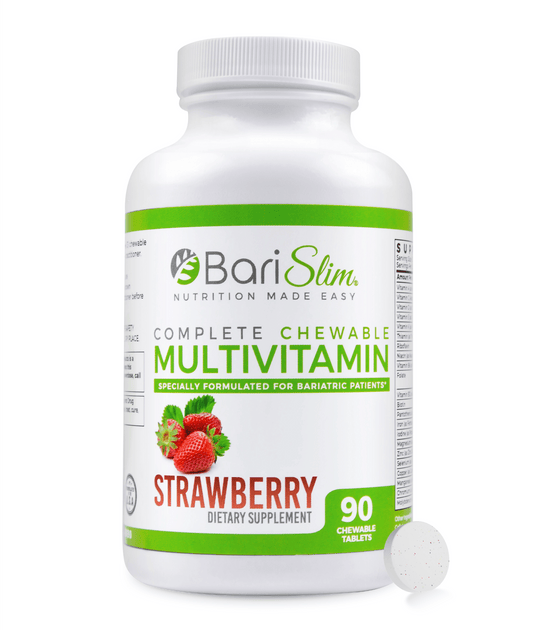
- A daily multivitamin
- Electrolyte support products
- Sugar-free broths and gentler foods for nausea days
- A refillable water bottle
- Smaller bowls or plates to support portion awareness
It is also important to set realistic expectations for the first month.
Some patients notice meaningful appetite reduction quickly, while others experience more gradual changes over several weeks. Weight loss during the first month is often noticeable, but the larger long-term changes usually develop over several months of consistent habits and treatment.
Week 1: Starting the Medication
Most GLP-1 medications begin at a lower introductory dose to help the body adjust more comfortably.
If you are comparing Ozempic vs Wegovy, you will find that both semaglutide prescriptions typically begin at a low 0.25 mg weekly dose before gradually increasing later in treatment.
What Many Patients Notice Physically
Some patients notice very little during the first week, especially because the starting dose is intentionally conservative.
Others begin noticing mild side effects fairly quickly, particularly:
- Mild nausea
- Fatigue
- Headaches
- Fullness after smaller meals
- Digestion changes
For many individuals, these early side effects remain relatively mild and gradually improve as the body adjusts over the following weeks.
Early Appetite Changes
Some patients begin noticing subtle appetite changes during week 1, although stronger appetite suppression often develops more noticeably during weeks 2 through 4.
Early changes may include:
- Feeling full sooner than expected
- Less interest in snacking
- Reduced cravings between meals
- Eating slightly smaller portions naturally
What to Focus On During Week 1
The first week is often more about building supportive habits than chasing rapid results.
Many patients focus on:
- Prioritizing hydration throughout the day
- Adding protein to meals consistently
- Beginning a supplement routine
- Eating more slowly
- Paying attention to fullness cues
The routines built during the first week often become the foundation for long-term consistency later on.
Week 2: Appetite Changes Become More Noticeable
By week 2, many patients begin noticing clearer appetite suppression and more visible changes in eating patterns.
Common Physical Changes
For some patients, side effects become more noticeable during weeks 2 and 3 before gradually improving later.
Common experiences may include:
- Nausea after meals
- Fatigue
- Mild headaches
- Constipation
- Loose stools or digestion changes
Symptoms often feel strongest early in treatment while the body is adapting to slower digestion and lower food intake.
Changes in Appetite and Eating Patterns
Many patients notice that meals begin feeling more filling during week 2.
Some individuals also notice:
- Reduced hunger between meals
- Less interest in sweets or highly processed foods
- Feeling satisfied with smaller portions
- Eating more slowly without trying
For many patients, this is the point where eating patterns begin feeling noticeably different than before treatment.
What to Focus On During Week 2
Hydration, protein intake, and understanding electrolytes for weight loss will become especially important during this stage as your body adjusts.
Many patients find it helpful to:
- Sip water consistently throughout the day
- Choose protein-focused meals
- Eat smaller portions more slowly
- Use electrolyte support if hydration feels difficult
- Avoid skipping meals entirely
Trying to force larger meals often feels uncomfortable once appetite suppression becomes more noticeable.
Week 3: Building Consistency
By week 3, many patients begin settling into more consistent eating and hydration routines.
Some healthcare providers may still keep patients on the same starting dose at this stage, while others begin discussing upcoming dose increases in the following weeks.
What Many Patients Notice
Appetite suppression often feels more established during week 3.
Many patients notice:
- Meals becoming naturally smaller
- Reduced cravings
- Earlier fullness during meals
- Steadier eating patterns
- Initial weight changes becoming more noticeable
At the same time, energy levels may still fluctuate while the body continues adapting to lower calorie intake.
Food Preferences May Shift
Some patients notice that foods they previously craved begin feeling less appealing.
Learning the best foods to eat on GLP-1 medications is crucial here; protein-rich meals will likely feel more satisfying, while greasy, sugary, or highly processed foods will become much harder to tolerate.
What to Focus On During Week 3
This stage is often about strengthening routines that support long-term consistency.
Many patients continue focusing on:
- Daily protein intake
- Hydration consistency
- Multivitamin support
- Slower eating habits
- Structured meal timing
These habits often become increasingly important as treatment progresses and doses gradually increase.
Week 4: Settling Into a New Routine
By the end of the first month, many patients feel more adjusted to the medication and the eating pattern changes that come with it.
Physical Adjustments
For many individuals, side effects begin stabilizing or improving by week 4.
Nausea often becomes less frequent, hydration feels easier to manage, and energy levels may begin feeling more consistent as routines become more structured.
Some patients also begin noticing more visible weight changes during this stage, although individual results vary significantly.
Daily Habits Start Feeling More Automatic
Many patients find that routines around hydration, meal timing, supplements, and smaller portions begin feeling more natural by the end of the first month.
The deliberate effort required during the earlier weeks often becomes more automatic over time.
What to Focus On During Week 4
As the first month ends, many patients begin preparing for future dose increases and the next phase of treatment.
Continuing to strengthen habits around:
- Protein intake
- Hydration
- Supplement consistency
- Movement and activity
- Portion awareness
often helps make later dose increases feel more manageable.
Common Concerns During the First Month
The first month on a GLP-1 medication often comes with questions, uncertainty, and adjustments around appetite, energy, digestion, and eating habits.
Many experiences during this phase are temporary and become easier to manage as the body adjusts over time.
I Am Not Eating Much. Is That Normal?
Yes. Reduced appetite is one of the intended effects of GLP-1 medications, especially as treatment begins working more consistently.
You will naturally begin eating much smaller portions during the first several weeks—often mirroring the strict portion sizes outlined in a gastric sleeve surgery recovery and nutrition guide.
Most healthcare providers encourage patients to focus on:
- Hydration first
- Protein intake consistency
- Smaller structured meals
- Nutrient-dense foods when appetite is lower
If food intake becomes extremely limited for prolonged periods or symptoms such as weakness, dizziness, or dehydration become significant, patients should speak with their healthcare provider.
Why Am I Feeling More Tired?
Fatigue is fairly common during the first month of treatment.
Several factors may contribute, including:
- Lower calorie intake
- Reduced hydration
- Digestion changes
- The body adjusting to appetite suppression
Many patients find that hydration, protein intake, electrolyte support, and more structured meal timing help improve energy consistency over time.
Is Nausea Normal During the First Few Weeks?
Mild to moderate nausea is one of the most common early side effects of GLP-1 medications.
Nausea is often more noticeable:
- Shortly after starting treatment
- After dose increases
- Following larger meals
- After greasy or highly processed foods
Some patients find that smaller meals, slower eating, hydration, and simpler foods help improve comfort during this adjustment period.
Severe nausea, repeated vomiting, or inability to tolerate fluids should be discussed with a healthcare provider.
Why Have I Not Lost More Weight Yet?
Many patients expect dramatic weight loss during the first month, but the introductory dosing phase is designed to help the body adjust gradually rather than maximize rapid weight loss immediately.
For many individuals, weight loss during the first month remains fairly moderate while appetite suppression and routines are still developing.
More noticeable weight changes often occur over the following months as doses increase and long-term habits become more established.
Building Habits That Support Long-Term Success
The first month on a GLP-1 medication is often where long-term routines begin taking shape.
Many patients who maintain consistency long term focus less on short-term perfection and more on building sustainable daily habits.
Helpful routines may include:
- Taking supplements around the same time each day
- Keeping a water bottle nearby throughout the day
- Planning protein-focused meals in advance
- Eating more slowly and paying attention to fullness
- Tracking progress beyond just body weight
Many patients also find it helpful to monitor:
- Energy levels
- Hydration consistency
- Protein intake
- Digestive comfort
- Meal structure and eating habits
The routines established during the first month often become the foundation for longer-term consistency later in treatment.
Frequently Asked Questions
How much weight do people usually lose in the first month?
Weight loss during the first month varies significantly between individuals, although many patients lose a modest amount while beginning treatment at the introductory dose.
For many people, more noticeable weight loss develops gradually over the following months as doses increase and routines become more established.
When are side effects usually the strongest?
Many patients notice side effects most strongly during the first 2 to 3 weeks after starting treatment or after dose increases.
For many individuals, symptoms gradually improve as the body adjusts over time.
What should I do if I cannot eat very much?
Many healthcare providers encourage patients to focus on hydration and protein intake first when appetite becomes very limited.
Protein shakes, smaller meals, slower eating, and sipping fluids throughout the day often help during lower appetite periods.
Should supplements start immediately?
Many patients begin multivitamins, protein support, hydration routines, and electrolyte support early in treatment, especially as food intake starts decreasing.
Structured nutrition support may help reduce nutritional gaps while routines are still adjusting.
When do larger weight loss results usually happen?
For many patients, more noticeable weight loss develops during months 2 and 3 as appetite suppression becomes stronger and doses gradually increase.
The first month is often more focused on adjustment, consistency, and habit building than rapid physical changes.
Support Your Routine
The first month on a GLP-1 medication often brings noticeable changes involving appetite, meal size, digestion, hydration, and daily routines.
Many patients find that understanding what is normal during this phase helps make the adjustment period feel less stressful and more manageable.
Focusing on hydration, protein intake, supplement consistency, slower eating, and structured habits early in treatment may help support a smoother transition and stronger long-term consistency over time.
This article is for informational purposes only and should not be considered medical advice. Always consult your healthcare provider before making changes to your nutrition, exercise, supplement routine, or GLP-1 medication plan.