Order Free Sample


Gastric bypass surgery, also called Roux-en-Y gastric bypass, is one of the most established bariatric procedures for long-term weight management. By creating a smaller stomach pouch and rerouting part of the digestive system, it helps reduce food intake and supports significant weight loss.
However, surgery is only one part of the journey. Recovery, nutrition, hydration, supplementation, and daily habits all play an important role in long-term success after gastric bypass surgery.
This guide explains what to expect during recovery, diet progression, nutrition, supplementation, and long-term maintenance. If you're looking for a broader overview beyond gastric bypass alone, see our complete guide to life after bariatric surgery.
Quick Summary
- Gastric bypass surgery creates a small stomach pouch and reroutes part of the digestive tract
- Recovery usually involves a gradual progression from liquids to soft foods before returning to regular textured meals
- Most patients lose a significant amount of excess weight during the first 12 to 18 months after surgery
- Nutrient deficiencies are more common after gastric bypass because nutrient absorption changes permanently
- Protein intake, hydration, and lifelong bariatric supplementation become essential long-term priorities
- Structured eating habits and consistent routines help support long-term weight maintenance and recovery
Who This Guide Is For
This guide is designed for:
- Patients preparing for gastric bypass surgery
- Recent gastric bypass patients navigating recovery
- Long-term bypass patients maintaining their results
- Anyone researching bariatric surgery options
What Is Gastric Bypass Surgery?
Gastric bypass surgery, also called Roux-en-Y gastric bypass, is a bariatric procedure designed to support long-term weight loss by reducing both stomach capacity and calorie absorption.
During the procedure, surgeons create a much smaller stomach pouch, typically about the size of an egg, by separating it from the rest of the stomach. A portion of the small intestine is then rerouted and connected directly to the new pouch.
This changes how food moves through the digestive system. Because the stomach holds much less food and part of the digestive tract is bypassed, patients generally eat smaller portions and absorb fewer calories and nutrients overall.
Most gastric bypass procedures today are performed laparoscopically using several small incisions, which often allows for shorter hospital stays and recovery times compared to older open surgical approaches.
Because nutrient absorption changes permanently after gastric bypass surgery, long-term nutrition, hydration, protein intake, and bariatric supplementation become especially important throughout recovery and maintenance.
Gastric Bypass Recovery Timeline
Recovery after gastric bypass surgery happens gradually across several stages. Each phase focuses on healing, hydration, diet progression, and helping the body adjust to major digestive and lifestyle changes.
While recovery timelines vary slightly between individuals and surgical programs, most patients progress through similar post-operative stages.
Patients who want a more detailed bariatric surgery recovery timeline can review each recovery stage week by week.
Week 1: Initial Recovery
Most patients spend two to three nights in the hospital before continuing recovery at home.
During the first week, soreness, fatigue, swelling, and reduced appetite are common. Light walking is usually encouraged early to help support circulation and recovery.
The diet during this stage is generally limited to clear liquids such as:
- Water
- Broth
- Sugar-free gelatin
- Clear protein drinks
Fluids are typically sipped slowly throughout the day to help maintain hydration while avoiding discomfort.
Weeks 2–3: Full Liquids and Pureed Foods
As healing progresses, patients usually transition into the full liquid and pureed food stages.
Following a structured bariatric puree diet can help make the transition to solid foods more comfortable.
Common foods during this phase may include:
- Protein shakes
- Sugar-free yogurt
- Strained soups
- Pureed lean proteins
- Soft blended foods
Protein intake becomes a major focus during this stage because overall food intake remains very limited.
Many patients use protein shakes and bariatric supplements to help support recovery, hydration, and daily nutrition while appetite is still low.
Weeks 4–6: Soft Foods
Soft and easy-to-chew foods are gradually introduced during this phase. Most patients enter the bariatric soft food diet stage during this period before transitioning to regular-textured meals.
Meals often include:
- Ground or shredded meats
- Soft fish
- Cooked vegetables
- Eggs
- Soft fruits
Portion sizes remain very small, and patients are usually encouraged to eat slowly, chew thoroughly, and stop eating as soon as fullness develops.
Many individuals begin noticing more significant weight loss during this phase as the body continues adjusting to reduced intake.
Weeks 6 and Beyond: Transitioning to Regular Foods
Once approved by the surgical team, patients gradually begin transitioning toward more regular textured foods.
Meals generally continue focusing on:
- Protein intake
- Hydration
- Smaller portions
- Structured meal timing
Because gastric bypass changes digestion significantly, some foods may feel harder to tolerate long-term, especially highly processed foods, sugary foods, fried meals, and dense starches.
Many patients gradually build routines around hydration, supplementation, protein intake, and mindful eating habits as recovery progresses.
Nutrition Priorities After Gastric Bypass Surgery
Nutrition becomes especially important after gastric bypass surgery because both food intake and nutrient absorption are permanently reduced.
Smaller meals and altered digestion make it harder to consistently meet daily protein, hydration, vitamin, and mineral needs through food alone.
Building structured nutrition habits early can help support recovery, energy, muscle maintenance, and long-term weight management throughout the bariatric journey.
Prioritizing Protein Intake
Protein is one of the most important nutrition priorities after gastric bypass surgery.
It supports healing, muscle maintenance, recovery, and overall daily energy, especially during periods of rapid weight loss and lower overall calorie intake.
Many bariatric programs recommend around 60–80 grams of protein per day, although individual needs may be higher based on body size, activity level, and provider recommendations.
Common protein sources often include:
- Lean meats
- Fish and seafood
- Eggs
- Greek yogurt and cottage cheese
- Protein shakes
- Plant-based protein options
Because appetite and absorption are both reduced after bypass surgery, many individuals find it easier to spread protein intake across several smaller meals and snacks throughout the day.
Hydration and Fluid Intake
Hydration is another major long-term priority after gastric bypass surgery.
Because the stomach pouch is much smaller, drinking large amounts of fluid at once may feel uncomfortable. Many patients find it easier to sip fluids consistently throughout the day instead.
Many bariatric programs also recommend separating fluids from meals to help improve comfort and prioritize protein-focused foods during meals.
Many individuals build hydration routines around:
- Consistent water intake throughout the day
- Hydrating between meals instead of during meals
- Electrolyte support when needed
- Keeping fluids nearby throughout the day
Building hydration into a structured routine often makes consistency easier over time.
Because fluid intake is often lower during recovery, some patients also use electrolyte support to help maintain hydration and replace minerals lost through reduced intake.
Supplements After Gastric Bypass Surgery
Because gastric bypass surgery permanently changes how nutrients are absorbed, long-term supplementation becomes an essential part of maintaining overall health and nutritional balance.
Unlike gastric sleeve surgery, gastric bypass affects both food intake and nutrient absorption. This means patients may have a higher risk of developing vitamin and mineral deficiencies over time if supplementation becomes inconsistent.
Many gastric bypass patients build their routine around:
- Bariatric multivitamins
- Calcium citrate
- Vitamin B12 support
- Vitamin D
- Iron supplementation when needed
- Protein supplementation
Many bariatric programs recommend daily multivitamin support, while calcium citrate is often divided into smaller servings throughout the day to help support absorption and tolerance. Exact routines and dosing recommendations vary based on factors such as lab work, intake patterns, procedure type, and healthcare provider guidance.
Bariatric-specific supplements are commonly recommended because they are designed around post-surgery nutrition needs and often use more bioavailable nutrient forms compared to standard over-the-counter products.
Many patients also complete regular lab work, often annually or as recommended by their healthcare team, to help monitor vitamin and mineral levels over time and adjust supplementation when needed.
Bariatric Supplement Support
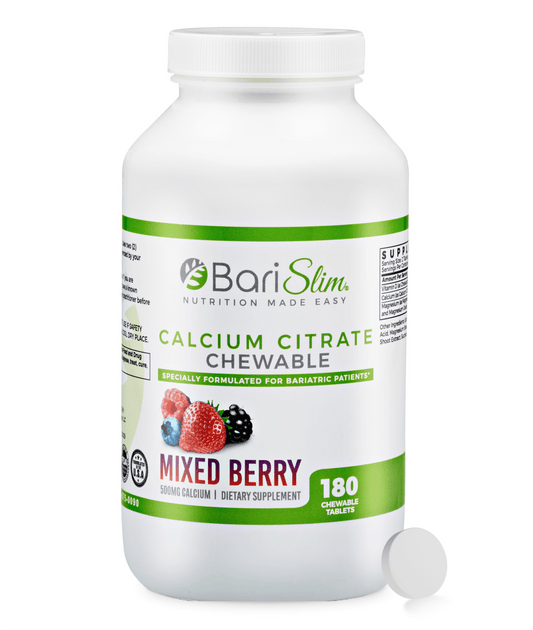
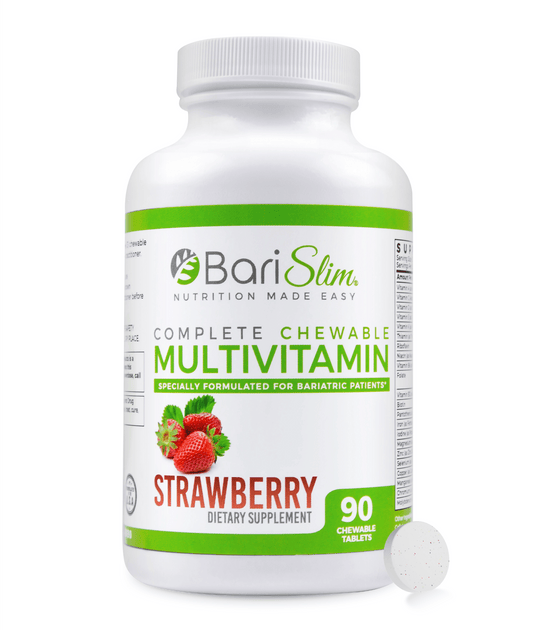
Because gastric bypass affects nutrient absorption, many patients use bariatric-specific multivitamins, calcium citrate, vitamin B12, iron, and protein support as part of their long-term routine.
- Designed for post-bariatric nutrition needs
- Supports long-term vitamin and mineral intake
- Fits into structured daily routines
- Helpful during both recovery and long-term maintenance
Understanding Dumping Syndrome
Dumping syndrome is one of the most unique dietary considerations after gastric bypass surgery.
It happens when food moves too quickly from the stomach pouch into the small intestine, particularly after eating foods high in sugar or fat.
Symptoms may include:
- Nausea
- Cramping
- Diarrhea
- Sweating
- Dizziness
- Rapid heartbeat
Some symptoms may appear shortly after eating, while others may develop several hours later depending on the type of food and how the body responds.
Many gastric bypass patients gradually learn which foods feel easiest to tolerate and which habits help reduce discomfort.
Strategies that may help reduce dumping syndrome symptoms often include:
- Avoiding sugary foods and drinks
- Limiting heavily processed or fried foods
- Eating smaller portions
- Eating more slowly
- Separating fluids from meals
Over time, many patients find that protein-focused meals and structured eating habits help support better digestion, comfort, and long-term consistency.
Common Challenges After Gastric Bypass Surgery
Even with careful planning and structured routines, many gastric bypass patients experience challenges during recovery and long-term weight loss.
Understanding these changes ahead of time can help make the adjustment process feel more manageable and easier to navigate.
Hair Thinning
Hair shedding is common during periods of rapid weight loss and often becomes noticeable several months after surgery.
This is usually temporary and may improve gradually as protein intake, hydration, and supplementation become more consistent over time.
Vitamin and Mineral Deficiencies
Because nutrient absorption changes permanently after gastric bypass surgery, some patients may develop vitamin or mineral deficiencies over time even with consistent supplementation.
Iron, vitamin B12, calcium, and vitamin D are among the nutrients most commonly monitored after surgery.
Regular lab work helps identify potential deficiencies early so supplement routines can be adjusted when needed.
Plateaus and Weight Regain
Weight loss plateaus are common during the bariatric journey, especially after the first several months of rapid progress.
Some weight regain over time is also possible and does not necessarily mean surgery has failed.
Many patients find that returning to structured routines around protein intake, hydration, supplementation, activity, and meal consistency helps support long-term maintenance.
Bone Density Concerns
Because calcium absorption changes after gastric bypass surgery, long-term bone health becomes an important consideration.
Many bariatric programs encourage consistent calcium citrate supplementation alongside regular movement and routine monitoring as part of long-term follow-up care.
Healthcare providers may also recommend periodic bone density screening depending on individual risk factors and long-term nutritional status.
Long-Term Success After Gastric Bypass Surgery
Long-term success after gastric bypass surgery usually depends less on perfection and more on consistency.
Many patients who maintain stable long-term results build routines around structured meals, hydration, protein intake, supplementation, and regular activity.
Common long-term habits often include:
- Consistent bariatric supplementation
- Protein-focused meals and snacks
- Hydration routines throughout the day
- Regular movement and strength-supporting activity
- Routine follow-up appointments and lab work
Over time, these habits often become part of everyday life rather than temporary recovery steps.
Gastric bypass surgery can be a powerful long-term tool for weight management, but the routines built around nutrition, hydration, supplementation, and consistency are often what help sustain results over time.
Frequently Asked Questions
How much weight do people usually lose after gastric bypass surgery?
Many patients lose a significant amount of excess weight during the first 12 to 18 months after surgery. Individual results vary based on factors such as starting weight, nutrition habits, activity, and long-term consistency.
How long does gastric bypass recovery take?
Initial physical recovery often takes around 4 to 6 weeks, while adjusting to new eating habits and routines may continue for several months afterward.
Do I need supplements for life after gastric bypass surgery?
For most patients, long-term supplementation becomes necessary because gastric bypass permanently changes nutrient absorption and overall food intake.
Can gastric bypass surgery be reversed?
Gastric bypass reversal is possible in rare cases, but it is considered a complex procedure and is not commonly performed.
What is dumping syndrome?
Dumping syndrome happens when food moves too quickly into the small intestine after eating, particularly foods high in sugar or fat. Symptoms may include nausea, cramping, dizziness, or sweating.
What foods are harder to tolerate after gastric bypass surgery?
Some patients find that sugary foods, fried foods, dry meats, bread, and heavily processed meals feel harder to tolerate after surgery, especially during early recovery.
Can weight regain happen after gastric bypass surgery?
Some weight regain over time is common. Long-term consistency with nutrition, hydration, supplements, and activity often helps support weight maintenance.
Support Your Gastric Bypass Recovery and Routine
Gastric bypass surgery can be a powerful long-term tool for weight management, but long-term success is usually supported by the habits built after surgery.
Focusing on protein intake, hydration, supplementation, movement, and structured routines can help support recovery, long-term maintenance, and overall health throughout every stage of the bariatric journey.
This article is for informational purposes only and should not be considered medical advice. Always consult your healthcare provider before making changes to your nutrition, exercise, supplement routine, or bariatric care plan.