Order Free Sample


Ozempic and Wegovy are two of the most widely discussed GLP-1 medications used today for diabetes management and weight loss support. Because both medications contain the same active ingredient, many patients are surprised to learn that they are prescribed differently and approved for different primary uses.
Although Ozempic and Wegovy share many similarities, there are important differences involving dosing, FDA approval, insurance coverage, cost, and how healthcare providers typically use them in practice.
This guide explains the key differences between Ozempic and Wegovy, how semaglutide works, and how combining these treatments with the best supplements for GLP-1 medications can influence your overall weight loss results.
Quick Summary
- Ozempic and Wegovy both contain semaglutide as the active ingredient
- Ozempic is FDA-approved for type 2 diabetes, while Wegovy is FDA-approved for chronic weight management
- Wegovy is prescribed at higher maintenance doses than Ozempic
- Both medications may support significant weight loss when combined with lifestyle changes
- Insurance coverage and pricing often differ between the two medications
- Healthcare providers determine which medication may be appropriate based on medical history and treatment goals
Who This Guide Is For
This guide is designed for:
- Patients considering GLP-1 medications for weight management
- Current Ozempic or Wegovy users comparing the two medications
- Individuals researching semaglutide treatment options
- Patients discussing prescription options with their healthcare provider
What Are Ozempic and Wegovy?
Ozempic and Wegovy are both injectable medications that contain semaglutide, a GLP-1 receptor agonist that helps regulate appetite, blood sugar, digestion, and feelings of fullness.
Both medications work in very similar ways inside the body. They help slow stomach emptying, reduce appetite, and support earlier fullness during meals.
Although Ozempic and Wegovy share the same active ingredient, there are still important differences involving FDA approval, dosing, packaging, insurance coverage, and how healthcare providers typically prescribe them.
The Key Similarity: Same Active Ingredient
Both Ozempic and Wegovy contain semaglutide as the active ingredient.
From a pharmacological standpoint, the semaglutide molecule functions the same way regardless of whether it is prescribed as Ozempic or Wegovy.
This is why the medications share many similarities involving appetite reduction, weight loss support, digestion changes, dosing schedules, and side effects.
In many ways, Ozempic and Wegovy can be viewed as different versions of the same medication designed for different primary treatment purposes.
The Key Differences Between Ozempic and Wegovy
Although the active ingredient is the same, Ozempic and Wegovy differ in several important ways involving FDA approval, dosing structure, packaging, and insurance coverage.
FDA Approval
Ozempic is FDA-approved primarily for the treatment of type 2 diabetes.
While some healthcare providers prescribe Ozempic off-label for weight management, its official approval focuses on blood sugar management and cardiovascular risk reduction in certain patients with diabetes.
Wegovy, on the other hand, is FDA-approved specifically for chronic weight management in adults with obesity or adults who are overweight and also have at least one weight-related health condition.
This distinction often affects insurance coverage eligibility and prescribing patterns.
Dosing Differences
Ozempic is typically prescribed in lower maintenance doses compared to Wegovy.
Many Ozempic patients use doses around 0.5 mg to 1 mg weekly, although Ozempic may be prescribed up to 2 mg weekly in some cases.
Wegovy is available in higher maintenance doses, including up to 2.4 mg weekly, which is one reason Wegovy often produces greater average weight loss results in clinical trials.
When learning what to expect in your first month on GLP-1 medications, keep in mind that both prescriptions usually begin at a lower starting dose (commonly around 0.25 mg weekly) before gradually increasing over time to help your body adjust.
Injection Pens and Packaging
Ozempic and Wegovy also differ slightly in how the injection pens are packaged and used.
Ozempic commonly comes in multi-dose pens that may last several weeks depending on the prescribed dose.
Wegovy is generally packaged as single-use pens with one injection per pen.
For some patients, Wegovy’s packaging may feel simpler to manage, although it may also affect overall pricing.
Cost and Insurance Coverage
Without insurance coverage, both Ozempic and Wegovy can be expensive medications.
Depending on pharmacy pricing, location, and dose, monthly costs may fall somewhere around several hundred to over one thousand dollars per month.
Insurance coverage varies significantly between the two medications.
Ozempic is more commonly covered for patients with type 2 diabetes, while Wegovy coverage for weight management varies widely depending on the insurance plan and prior authorization requirements.
Some manufacturer savings programs and self-pay assistance options may help reduce out-of-pocket costs for eligible patients.
Weight Loss Results: Ozempic vs Wegovy
Because both medications contain semaglutide, weight loss results are generally very similar when equivalent doses are compared.
Clinical studies involving Wegovy at its highest maintenance dose of 2.4 mg weekly have shown average weight loss results around 15 percent of total body weight over roughly 68 weeks.
Lower-dose Ozempic regimens often produce somewhat smaller average weight loss results, although higher Ozempic doses may approach similar outcomes.
In practice, one of the main reasons Wegovy often produces greater average weight loss is simply because it is approved and prescribed at higher maintenance doses.
Side Effects: Largely the Same
Because Ozempic and Wegovy contain the same active ingredient, their side effect profiles are also very similar.
Common side effects may include:
- Nausea, especially during dose increases
- Constipation or digestion changes
- Fatigue during early treatment stages
- Reduced thirst and dehydration risk
- Hair shedding during rapid weight loss
- Potential muscle loss if protein intake becomes too low
For many patients, side effects gradually improve as the body adjusts to treatment over time.
Focusing on the best foods to eat on GLP-1 medications, along with hydration and slower eating habits, is commonly emphasized with both prescriptions to help minimize side effects and improve your overall tolerance.
Which Medication Might Be Prescribed?
The decision about whether a patient is prescribed Ozempic or Wegovy is typically based on medical history, treatment goals, insurance coverage, and healthcare provider guidance.
Patients with type 2 diabetes are often prescribed Ozempic because it is FDA-approved for diabetes management.
Patients primarily seeking support for weight management without diabetes are more commonly prescribed Wegovy because it is FDA-approved specifically for chronic weight management.
Insurance coverage also plays a major role in the final decision. Some insurance plans may cover one medication but not the other, or may require different prior authorization steps before approval.
Who Might Not Be a Good Candidate for Ozempic or Wegovy?
Although Ozempic and Wegovy can be effective tools for some patients, they are not appropriate for everyone.
Healthcare providers usually review medical history carefully before prescribing semaglutide medications.
Patients with a personal or family history of medullary thyroid carcinoma or Multiple Endocrine Neoplasia syndrome type 2 (MEN2) are generally advised to avoid these medications.
Some patients with severe digestive disorders, pancreatitis history, gallbladder disease, or certain kidney concerns may also require additional evaluation before starting treatment.
Pregnancy and breastfeeding are also important considerations, and GLP-1 medications are generally not recommended during these periods.
If you are not a good candidate for these medications, your healthcare provider may discuss alternative weight loss tools, such as reviewing a gastric sleeve surgery recovery and nutrition guide to see if a surgical route is more appropriate for your medical history.
What Happens If You Stop Taking Ozempic or Wegovy?
Many patients wonder whether weight regain may occur after stopping GLP-1 medications.
If you are considering stopping GLP-1 medications, it is important to know that transitioning off treatment may lead to increased hunger and gradual weight regain if supportive lifestyle habits are not maintained.
This is one reason many healthcare providers emphasize building sustainable long-term habits around nutrition, hydration, protein intake, movement, and portion awareness while using these medications.
Some patients remain on GLP-1 medications long term, while others transition off treatment gradually under medical supervision depending on their goals and overall health situation.
Can You Switch Between Ozempic and Wegovy?
Some patients switch between Ozempic and Wegovy over time, although any medication change should always happen under healthcare provider supervision.
Because both medications contain semaglutide, transitioning between them is often relatively straightforward when dosing is adjusted appropriately.
Some patients switch because of insurance changes, pricing differences, medication availability, or because they need access to the higher dosing range available with Wegovy.
Healthcare providers generally guide dose matching carefully during any transition process to help minimize side effects and maintain consistency.
Supporting Your Body While Using Ozempic or Wegovy
Because Ozempic and Wegovy work similarly in the body, the same supportive nutrition and hydration habits are commonly encouraged with both medications.
Hydration
Many patients notice reduced thirst signals while using GLP-1 medications, which may make intentional hydration more important throughout the day.
Consistent fluid intake may help support energy, digestion, and overall comfort while appetite is reduced.
Protein Intake
Because meals often become smaller while using semaglutide medications, many patients benefit from prioritizing protein-rich foods to help support muscle maintenance, fullness, and energy levels.
Daily Multivitamin Support
Reduced food intake may sometimes make it harder to consistently meet nutrient needs through meals alone.
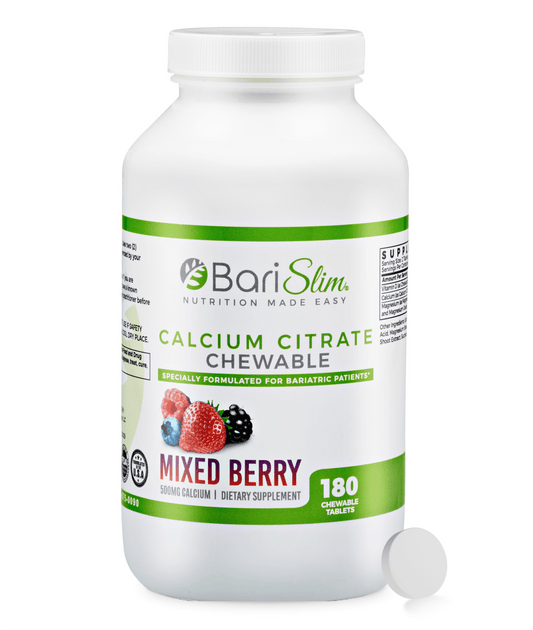
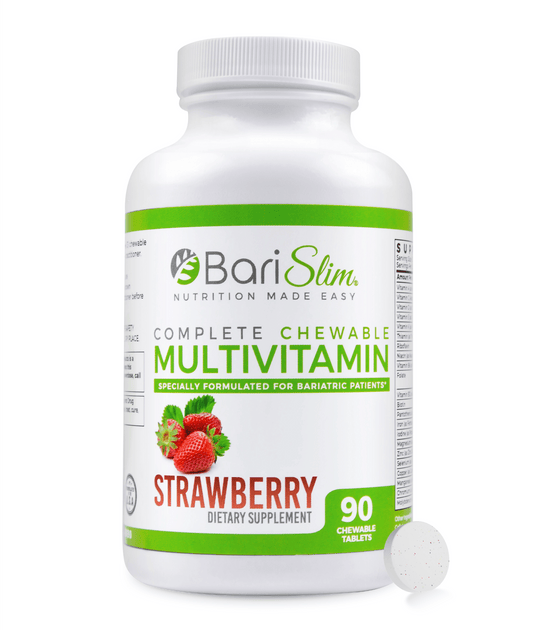
Many patients use daily multivitamins and structured supplement routines to help support nutritional consistency.
Electrolyte Support
Electrolytes may become especially important during periods of lower food intake, reduced appetite, nausea, or dehydration risk.
Some patients find electrolyte support helpful during the earlier adjustment phases of treatment.
Whichever medication is prescribed, many patients find that structured nutrition, hydration, supplementation, and protein-focused routines help improve long-term consistency and tolerance.
Frequently Asked Questions
Are Ozempic and Wegovy the same medication?
Ozempic and Wegovy both contain semaglutide as the active ingredient, so they work very similarly in the body. The main differences involve FDA approval, dosing ranges, packaging, and prescribing use.
Which medication usually leads to more weight loss?
At comparable doses, weight loss results are generally very similar. Wegovy is often associated with greater average weight loss because it is approved at higher maintenance doses.
Why are Ozempic and Wegovy priced differently?
Pricing differences may reflect insurance coverage, packaging format, pharmacy pricing, and FDA-approved indications. Wegovy is sometimes priced differently because it is packaged as single-use pens and approved specifically for weight management.
Can healthcare providers prescribe either medication?
Both medications require a prescription and healthcare provider evaluation. The final recommendation usually depends on medical history, diabetes status, treatment goals, and insurance coverage.
Are supplements important while taking Ozempic or Wegovy?
Many patients benefit from structured nutrition support while using GLP-1 medications because appetite and food intake often decrease significantly.
Protein intake, hydration, multivitamins, and electrolyte support are commonly emphasized during treatment.
Support Your Routine
Ozempic and Wegovy contain the same active ingredient and work very similarly inside the body, but they differ in approval status, dosing ranges, packaging, and insurance coverage.
The right option depends on individual medical history, treatment goals, insurance considerations, and healthcare provider guidance.
Whichever medication is prescribed, many patients find that structured habits around hydration, protein intake, supplementation, and consistent routines help support long-term success and overall tolerance during treatment.
This article is for informational purposes only and should not be considered medical advice. Always consult your healthcare provider before making changes to your nutrition, exercise, supplement routine, or GLP-1 medication plan.