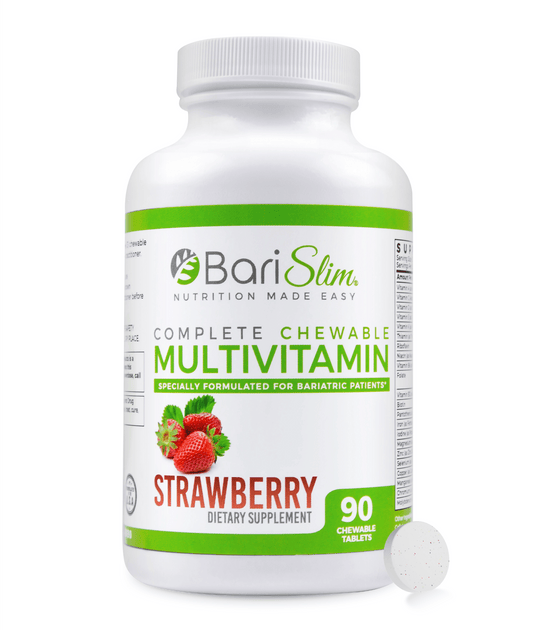
Order Free Sample


Bariatric surgery is a medical procedure that supports weight loss by changing how your digestive system works. It is often considered when other approaches, such as diet and exercise alone, have not provided long-term results.
For many people, bariatric surgery is not just about weight loss. It is about improving overall health, building sustainable habits, and creating a structured approach to daily life.
If you are just starting your research, it is normal to have questions. Understanding what bariatric surgery is, how it works, and what to expect can help you make more informed decisions and feel more confident about your next steps.
This guide breaks everything down in a simple and clear way, so you can understand the basics without feeling overwhelmed.
Quick Summary
- Bariatric surgery supports weight loss by changing how your digestive system works
- It helps reduce portion sizes and, in some cases, affects how calories are absorbed
- Common types include gastric sleeve, gastric bypass, and gastric band
- Long term success depends on structured habits and consistent routines
- Nutrition and bariatric support supplements help maintain daily nutrient intake
- A simple routine makes it easier to stay consistent after surgery
Who This Guide Is For
This guide is designed for:
-
Individuals researching weight loss options
-
Patients considering bariatric surgery
-
Anyone looking to understand how it works
What Is Bariatric Surgery?
Bariatric surgery is a group of medical procedures designed to support weight loss by changing how your digestive system works. At a basic level, it helps you eat less, feel full sooner, and in some cases, absorb fewer calories from the food you eat.
It's important to understand that bariatric surgery is not just about “reducing your stomach.” It’s a combination of physical changes and lifestyle adjustments that work together over time.
It Changes How Much You Can Eat
Most bariatric procedures reduce the size of your stomach. This means you physically cannot eat the same portion sizes as before.
Instead of large meals, you shift to smaller portions that feel more manageable. You may feel full after just a few bites, especially in the early stages. It’s not about forcing restriction. Your body naturally guides you toward smaller portions.
It Changes How Your Body Processes Food
Some types of bariatric surgery, like gastric bypass, also change how food moves through your digestive system.
Instead of following the usual path, food bypasses part of the stomach or small intestine. This can affect how many calories your body absorbs.
The goal is not to “block” nutrition, but to create a system where your body uses food differently. Combined with smaller portions, this helps support steady progress over time.
It Affects Hunger and Fullness Signals
One of the less obvious but important changes is how bariatric surgery affects hormones.
Your body produces hormones that control hunger, cravings, and fullness. After surgery, these signals often shift. Many people notice they feel less hungry or get full more quickly.
This can make a big difference in daily life. Instead of constantly thinking about food, it becomes easier to follow a routine and make more intentional choices.
It Requires Lifestyle Changes
Bariatric surgery is not a standalone solution. It works best when combined with changes in eating habits, hydration, and daily routines.
You will need to eat more slowly, focus on nutrient-dense foods, and follow a structured schedule for meals and fluids. Supplements also become part of your routine to help maintain nutrient intake.
These changes may feel like a big adjustment at first, but over time they become more natural.
It Supports Long-Term Structure
What makes bariatric surgery effective is not just the procedure itself, but the structure it creates.
You move from unstructured eating to a more consistent routine. Meals become smaller and more intentional. Hydration becomes something you plan throughout the day. Supplements become part of your daily system.
This structure helps reduce guesswork and makes consistency easier to maintain over time.
Why Bariatric Surgery Requires Supplements
Because bariatric surgery changes how your body absorbs nutrients, nutrition and supplementation become essential parts of your routine.
This means supplementation is not optional, it becomes part of your long-term routine. Even with balanced meals, smaller portions limit how much nutrition you can get from food.
A consistent supplement routine helps maintain essential nutrient intake and reduces the risk of gaps over time. When combined with structured eating habits, it supports stability and makes your daily routine easier to manage.
Build a Strong Foundation
Because bariatric surgery changes how your body absorbs nutrients, understanding nutrition and supplementation is an important part of long-term success after bariatric surgery.
Starting early with the right habits can make the transition smoother and reduce uncertainty as you adjust.
- Learn what to expect after surgery
- Build a simple, structured routine
- Stay consistent with daily habits
Preparing ahead by exploring the right bariatric multivitamins can make your journey easier.
Types of Bariatric Surgery
There are several types of bariatric surgery, and each works slightly differently. While they all aim to support weight loss, the way they affect your stomach, digestion, and daily routine can vary.
The table below compares each type of bariatric surgery side by side makes it easier to understand how they impact digestion, portion sizes, and long-term routines.
| Factor | Gastric Sleeve | Gastric Bypass |
|---|---|---|
| Stomach Size | Reduced to a small tube-shaped stomach | Small pouch created from the stomach |
| Digestion | Food follows the normal digestive path | Food bypasses part of the stomach and small intestine |
| Portion Size | Smaller portions required | Smaller portions required |
| Nutrient Absorption | Mostly unchanged | Reduced absorption of some nutrients |
| Complexity | Simpler procedure | More complex procedure |
| Routine Impact | Focus on portion control and consistency | Requires more structured nutrition and supplementation |
Gastric Sleeve (Sleeve Gastrectomy)
The gastric sleeve is one of the most commonly performed bariatric procedures today. It involves removing a large portion of the stomach, leaving behind a smaller, tube-shaped stomach.
Because of this change, you can only eat small amounts of food at one time. You also tend to feel full more quickly, which helps support portion control.
In addition to reducing stomach size, this procedure may also affect hunger-related hormones. Many patients notice a reduced appetite, especially in the early stages.
Overall, the gastric sleeve focuses on limiting intake while helping you build a more structured eating pattern over time.
Gastric Bypass
Gastric bypass is a more complex procedure that changes both the size of the stomach and how food moves through the digestive system.
In this surgery, a small stomach pouch is created, and part of the small intestine is rerouted. This means food bypasses a portion of the digestive tract.
As a result, you not only eat less but may also absorb fewer calories. This combination can support weight loss in a different way compared to procedures that only reduce stomach size.
Because digestion is altered, this procedure often requires a more structured approach to nutrition and supplementation to help maintain nutrient intake.
Adjustable Gastric Band
The adjustable gastric band is a less common option today but is still used in some cases. It involves placing a band around the upper part of the stomach to create a smaller pouch.
This limits how much food you can eat at one time and slows down how quickly food moves through the stomach.
One of the unique aspects of this procedure is that the band can be adjusted over time. This allows doctors to change how tight or loose it is based on individual needs.
However, compared to other procedures, it may require more ongoing adjustments and follow-up, which is one reason it is less commonly chosen today.
Each type of bariatric surgery has its own approach, but they all aim to create a system that supports smaller portions, structured habits, and long-term consistency.
Benefits of Bariatric Surgery
Bariatric surgery can support more than just weight loss. It often creates changes that affect how you feel, move, and manage your daily routine over time.
Significant Weight Loss
One of the most noticeable outcomes is weight loss. Because your stomach size is reduced and eating patterns change, it becomes easier to manage portion sizes consistently.
This is not about short-term results. The structure created by surgery helps support steady, long-term progress when combined with consistent habits.
Improved Health Markers
Many patients experience improvements in overall health markers after surgery. These may include better blood sugar levels, blood pressure, and cholesterol balance.
As your body weight changes and your routine becomes more structured, these internal systems often become easier to manage and maintain.
Increased Mobility
Carrying less weight can make everyday movement feel easier. Activities like walking, climbing stairs, or staying active throughout the day may feel more manageable over time.
This can also support a more active lifestyle, which plays a role in maintaining long-term consistency.
Better Long-Term Habits
Bariatric surgery encourages a shift toward structured habits. Smaller meals, regular hydration, and consistent routines become part of daily life.
Over time, these habits become easier to maintain. Instead of relying on motivation, you follow a system that supports your goals in a more predictable way.
Risks and Considerations of Bariatric Surgery
Like any medical procedure, bariatric surgery involves important considerations. Understanding these early helps you prepare for the changes that come with it.
Adjustment Period
After surgery, your body needs time to adapt. Eating patterns, portion sizes, and digestion all change.
During this period, you may need to follow specific guidelines, such as eating slowly, choosing certain foods, and spacing out meals and fluids. This phase is temporary, but it requires patience and consistency.
Nutrient Absorption Changes
Because bariatric surgery affects how your body processes food, nutrient absorption can change. This means your body may not get the same amount of vitamins and minerals from food alone.
To help maintain proper intake, many patients include supplements as part of their daily routine. Consistency becomes important here, as small gaps can add up over time.
Need for Long-Term Routine
Bariatric surgery works best when it is supported by a daily structure. This includes consistent eating patterns, hydration, and supplementation.
Without a clear system, it can be easy to fall out of rhythm. Building simple, repeatable habits helps you stay on track and maintain long-term stability.
Who Qualifies for Bariatric Surgery?
Not everyone is a candidate for bariatric surgery. Eligibility is usually based on a combination of medical factors, overall health, and a doctor’s evaluation.
Body Mass Index (BMI)
One of the main criteria is body mass index, or BMI. In general, bariatric surgery may be considered for individuals with a higher BMI, especially when weight-related health concerns are present.
BMI is used as a guideline rather than a strict rule. It helps doctors understand whether surgery may be a suitable option based on your current weight and health profile.
Health History
Your medical history also plays an important role. Conditions such as diabetes, high blood pressure, or other weight-related concerns may influence whether bariatric surgery is recommended.
Doctors look at your overall health to determine if surgery can support your long-term well-being and whether you are likely to benefit from the procedure.
Doctor Evaluation
A full medical evaluation is required before moving forward. This may include physical assessments, lab tests, and discussions about your lifestyle and goals.
The purpose of this evaluation is to ensure that you are prepared for both the procedure and the lifestyle changes that follow. It also helps identify any factors that may need to be addressed beforehand.
Each Case Is Unique
There is no one-size-fits-all answer. Eligibility depends on your individual situation, including your health, habits, and readiness to follow a structured routine after surgery.
Working closely with a healthcare professional helps you understand whether bariatric surgery is the right step for you.
Is Bariatric Surgery Right for You?
Bariatric surgery is not just about weight loss, it is about committing to long-term lifestyle changes.
It may be a suitable option if you are ready to follow structured eating habits, maintain consistent routines, and support your body with proper nutrition and supplementation.
Beyond medical eligibility, long-term success depends on your ability to stay consistent with these daily habits.
What to Expect After Surgery
Life after bariatric surgery involves a period of adjustment as your body adapts to new eating patterns and routines.
Smaller portion sizes: Your stomach can hold much less food, so meals become smaller and more frequent.
Changes in eating habits: Eating slowly, chewing thoroughly, and focusing on nutrient-dense foods becomes essential.
Structured routines: Meals, hydration, and supplements are spaced throughout the day to support consistency.
Over time, these habits become more natural and help maintain long-term stability.
Common Mistakes After Bariatric Surgery
Even with the right information, small habits can affect how well your routine works. Most challenges come from inconsistency rather than lack of effort.
Eating Too Quickly
Eating fast can overwhelm your digestive system. Taking smaller bites and chewing thoroughly helps your body process food more comfortably.
Not Recognizing Fullness
Because your stomach is smaller, the feeling of fullness can come quickly. Ignoring this signal may lead to discomfort or nausea.
Skipping Supplements
After surgery, your body may not absorb nutrients as effectively. Missing supplements regularly can create gaps in your daily intake over time.
Not Staying Hydrated
Fluid intake often becomes more structured after surgery. Forgetting to sip throughout the day can affect energy, digestion, and overall comfort.
Relying on Old Eating Habits
Pre-surgery habits may not work the same way anymore. Adjusting how and when you eat is an important part of building a sustainable routine.
Keeping your approach simple and consistent helps you avoid these common mistakes and makes your routine easier to follow over time.
Why Nutrition and Supplements Matter
After bariatric surgery, your body processes food differently. Because of reduced stomach size and, in some cases, changes in digestion, it can be harder to get enough nutrients from food alone.
This is why nutrition and supplementation become an important part of your daily routine.
Focusing on balanced meals helps support your energy and overall well-being, while consistent supplementation helps maintain essential nutrient intake over time. Together, they create a system that supports your body as it adjusts after surgery.
Instead of relying on occasional effort, a simple and structured routine makes it easier to stay consistent and avoid gaps in daily intake.
Frequently Asked Questions
What is bariatric surgery?
Bariatric surgery is a procedure that changes how your digestive system works to support weight loss by limiting food intake and, in some cases, altering digestion.
What are the different types of bariatric surgery?
The most common types include gastric sleeve and gastric bypass, with each working differently to support weight loss and long-term habit changes.
Is bariatric surgery safe?
Bariatric surgery is generally considered safe when performed by qualified medical professionals, with proper evaluation and follow-up care.
What happens after bariatric surgery?
After surgery, patients typically follow smaller portion sizes, structured eating habits, and consistent daily routines to support recovery and long-term progress.
Do you need supplements after bariatric surgery?
Many patients benefit from daily supplements because nutrient absorption changes after surgery, making consistent intake important.
How long does it take to recover from bariatric surgery?
Recovery timelines vary, but most patients go through structured stages over several weeks as their body adjusts to new eating patterns and routines.
Can you regain weight after bariatric surgery?
Yes, weight regain can happen after bariatric surgery if habits are not consistent over time. Long-term results depend on maintaining structured eating, hydration, and supplementation routines.
Start Your Bariatric Journey With Confidence
Understanding what bariatric surgery is and how it works is the first step toward making an informed decision. The more prepared you are, the easier it becomes to adjust to the changes that follow.
Without a structured system, it becomes easy to fall behind. Focusing on nutrition, hydration, and consistent supplementation makes it easier to stay on track as your body adapts.